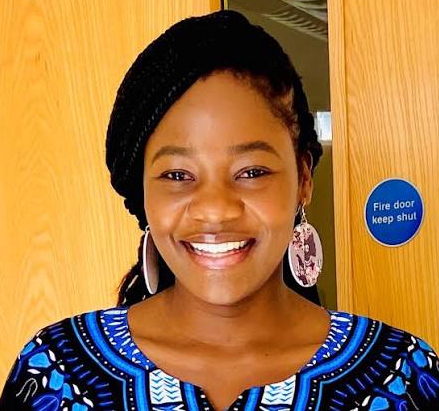
Sharon Ayayo
Clinical Trials Statistician at the University of Oxford and PhD graduate in Biostatistics from the University of Manchester, researching cardiovascular outcomes and mortality trends after heart attack.
1
APPEARANCES
1
PODCASTS
Jul 28, 2026


James RuddHOST
Um, just in terms of the-- from the statistical side, Sharon, what would you say are the, are the limitations of this, uh, study and the conclusions that you can draw from it?

Sharon AyayoGUEST
So, uh, in some there was a, a statistical limitation, uh, in the modeling method that we used because, uh, the, the outcome was one-year mortalities, uh, which will be expected to be modeled maybe using, uh, time to event or survival analysis models.
Sharon AyayoGUEST
But, um, uh, currently for this decomposition, uh, method that we used, uh, this is still not compatible with survival modeling.
Sharon AyayoGUEST
Maybe, um, if I have capacity, I might look into that to come up with the decomposition for survival analysis.
Sharon AyayoGUEST
Uh, so that was a limitation because then, um, we, we used one-year outcome as a binary outcome rather than accounting for, uh, like the time, time to, to the event and censoring.
Sharon AyayoGUEST
But also there's, uh, some evidence that were, were done, some peop- some studies that show- shown that, um, uh, for short-term follow-up, up to five years, usually there's, uh, uh, very little bias that is due to censoring.
James RuddHOST
And finally, Sharon, what would you say are the sort of take-home messages of this piece of research that, um, people should, uh, take heed of?