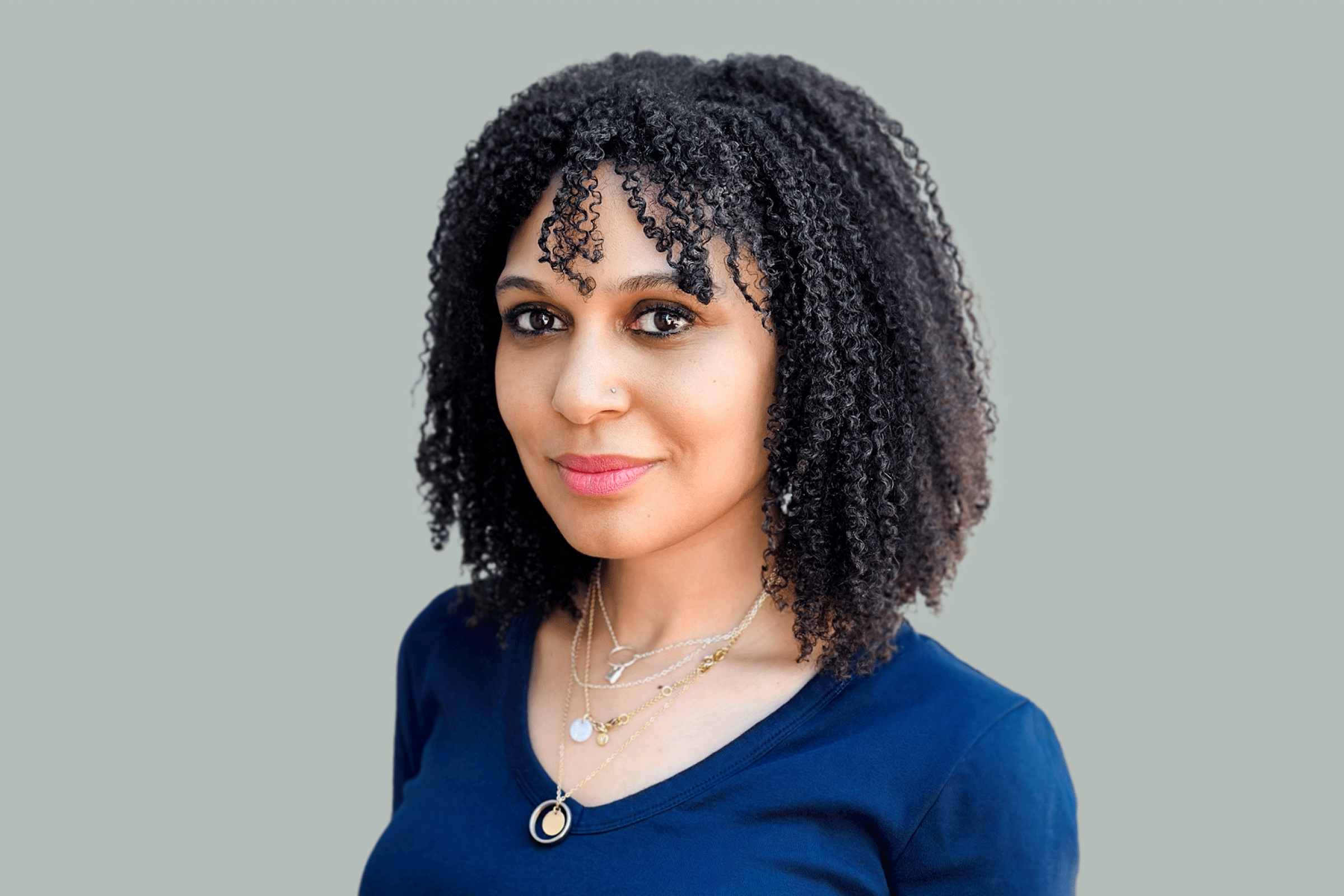
Shaina Aber-hanson
4
APPEARANCES
4
PODCASTS
Oct 12, 2026


Shaina AberGUEST
Um, it was on July 31st that our own legal services contract with the government expired.
Shaina AberGUEST
Um, and now this move seems to further dismantle anti-trafficking protections required under the Trafficking Victims Protection Act.
Shaina AberGUEST
Um, without the shelters and caregiver s- staff able to appropriately report, um, trafficking victims to the Office of Trafficking in Persons immediately, without appropriate legal service providers in place who are able to also advocate for children to OTIP, um, that's the acronym-
Shaina AberGUEST
Well, really simply put, adding another gatekeeper, you know, internal staff at HHS who are not themselves within the Office of Pr- Trafficking in Person, who are not themselves experts on child trafficking protection or the benefits that children need, um, really just cuts trafficking survivor children off from getting safety, um, and from, from breaking the cycle of trafficking.

Ali RoginCORRESPONDENT
Uh, first can you tell us about when and why this program started, and the services that it provides?
Shaina AberGUEST
Um, the commitment to provide children with legal access, legal representation, um, and for them to have their needs assessed and have their options understood, um, began in 2005.
Shaina AberGUEST
There was a pilot program, um, that kicked off in that time period, and then by 2008, there was a bipartisan, I think it was a unanimous Congress, that sought to memorialize this commitment to unaccompanied children, in particular to break, um, cyclical trafficking risks that they were seeing as children would be trafficked over the border, sent back to their traffickers, and trafficked back over the border, um, really to give children a ability to have their cases heard, have their rights understood, um, and to explore what legal options they had available.
Ali RoginCORRESPONDENT
How many minors are you and the organizations you work with currently representing, and what do their age ranges tend to be?
Shaina AberGUEST
Um, those are children that are both within immigration custody of the Office of Refugee Resettlement, which sits in HHS, and children who have been released from that custody and are living in communities, going through their court, um, proceedings, um, and, you know, going to school along with our kids.

Ali RoginCORRESPONDENT
Uh, first, can you tell us about when and why this program started and the services that it provides?
Shaina AberGUEST
Um, the commitment to provide children with legal access, legal representation, um, and for them to have their needs assessed and have their options understood, um, began in 2005.
Shaina AberGUEST
And then by 2008, there was a bipartisan, I think it was a unanimous Congress, that sought to memorialize this commitment to unaccompanied children, in particular to break, um, cyclical trafficking risks that they were seeing as children would be trafficked over the border, sent back to their traffickers, and trafficked back over the border.
Shaina AberGUEST
Um, really to give children a ability to have their cases heard, have their rights understood, um, and to explore what legal options they had available.
Ali RoginCORRESPONDENT
How many minors are you and the organizations you work with currently representing? And what do their age ranges tend to be?


Shaina AberGUEST
And that came from my family history and, and what I saw as, like, my identity and my legacy.
Shaina AberGUEST
My parents were both civil rights workers, very involved in voting rights efforts in the South in the 1970s and '60s and desegregation.
Shaina AberGUEST
My dad's family has been really involved in various justice movements for several generations.
Shaina AberGUEST
My mom grew up in the Deep South in Louisiana and had her formation as a social worker.
Shaina AberGUEST
The confluence of who I am and of being a multiracial, multigenerational American really drew me to a belief that while we're here on Earth, our job is to make systems and to make justice less broken.
Shaina AberGUEST
Growing up in a interracial family in a really vibrant, multiracial community, that kind of drive to build a more inclusive and just future was embedded in my identity from a very young age.