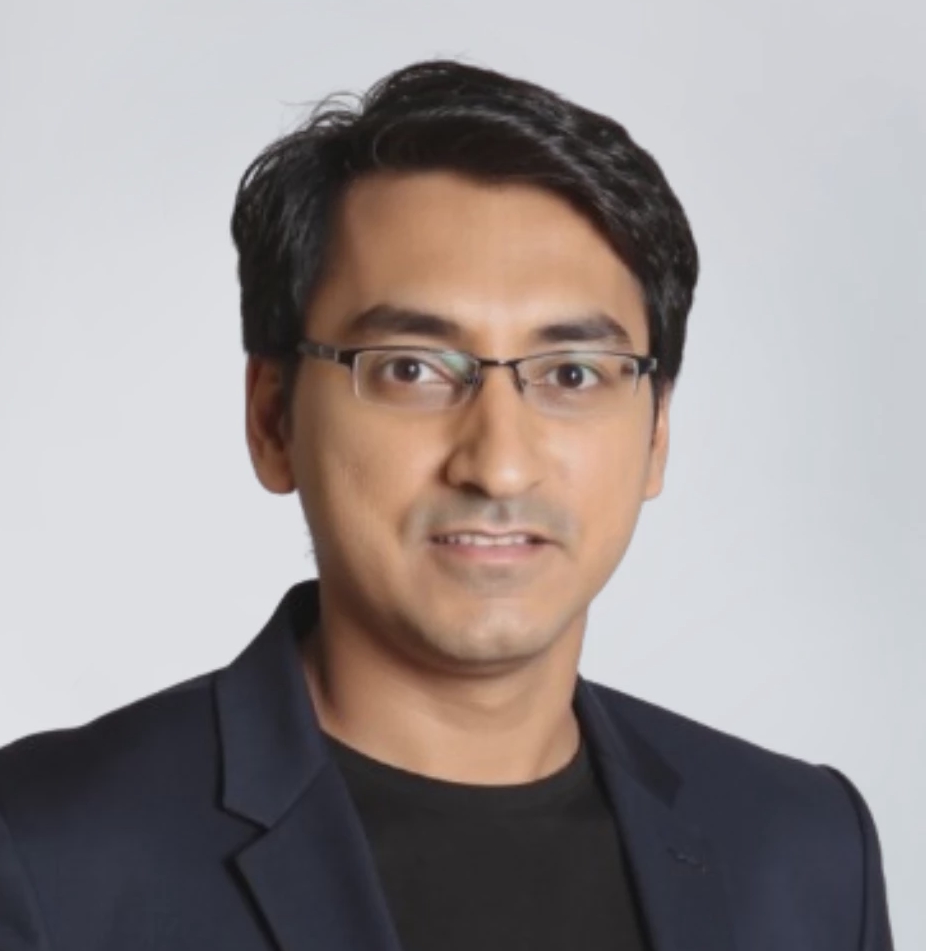
Shadab Siddiqui
Mohammad (Shadab) Siddiqui, MD, transplant hepatologist and Professor of Medicine at the University of Virginia, specializing in MASLD/MASH and liver transplantation.
1
APPEARANCES
1
PODCASTS
Sep 14, 2026


Shadab SiddiquiGUEST
One is to recognize metabolic diseases as a multi-system condition involving coordinated dysfunction across liver, heart, skeletal muscle, pancreas, adipose tissue, and kidney.
Shadab SiddiquiGUEST
Second, to apply risk-based screening strategies for metabolic diseases using pragmatic tools.
Shadab SiddiquiGUEST
Third, demonstrate how to use non-invasive fibrosis tools and emerging technologies to stratify patients and determine referrals.
Shadab SiddiquiGUEST
And then finally review newly approved pharmacotherapies for MAZELD and MASH, focusing on the multi-system impact of these medications.
Shadab SiddiquiGUEST
And I want to start by just laying the foundation for what we're going to discuss, which is these are complicated patients and these are complicated conditions.
Anissia RedekerHOST
Dr. Siddiqui, what do you think is the best way to approach these patients and what does timing look like from your perspective?