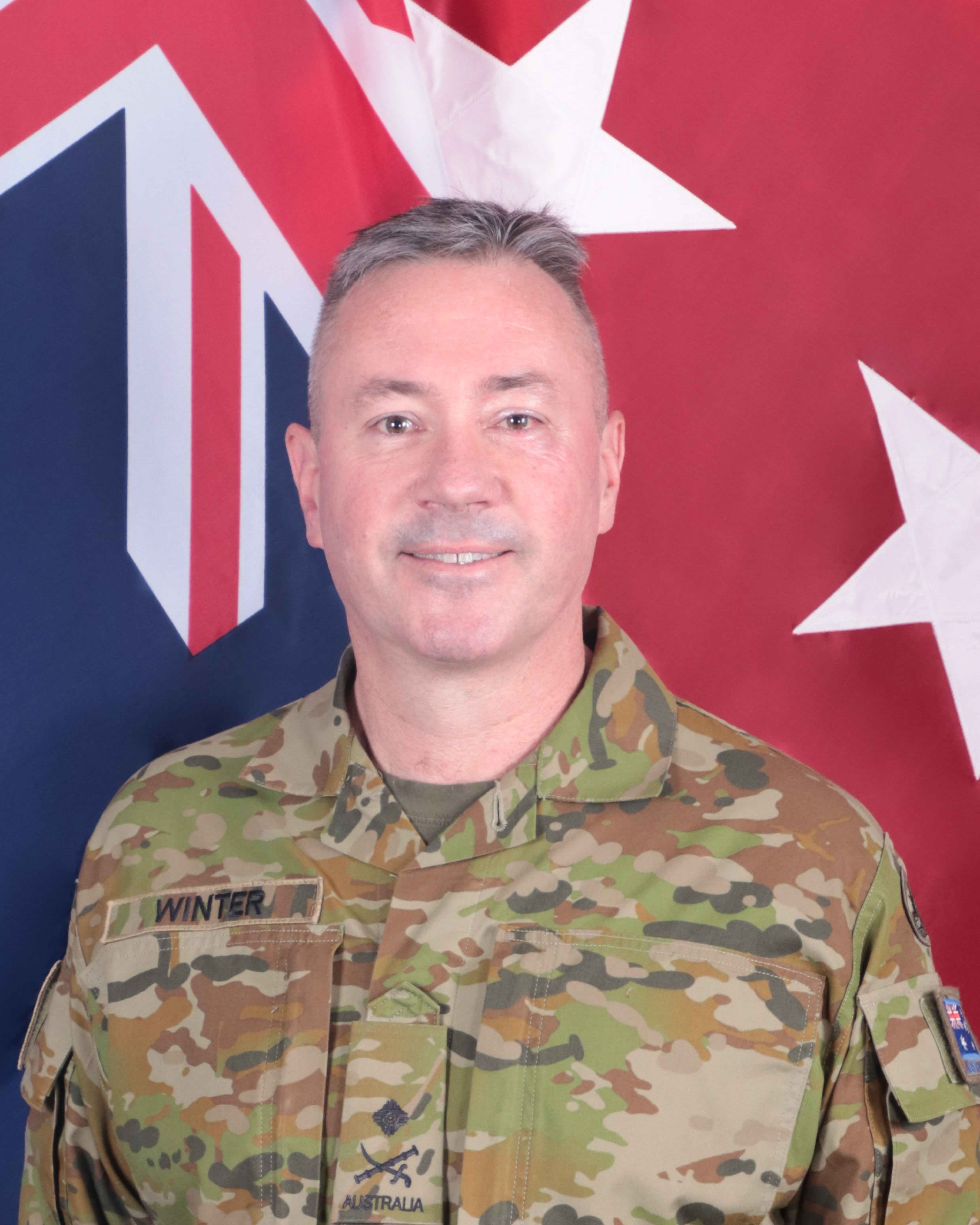
Scott Winter
Australian military personnel
3
APPEARANCES
3
PODCASTS
Nov 9, 2026

Scott WinterGUEST
The international response to the North Korean aggression, the North Korean invasion of South Korea, backed by Soviet Russia and communist China in 1950.
Scott WinterGUEST
Yeah, despite we were in the aftermath of World War II and no one was looking for another regional conflict, very quickly the international community was able to rally around and come to the support of South Korea.
Scott WinterGUEST
At a particular point in the United Nations history as well, of course, where Russia was boycotting at that point in time, and the Chinese vote was in transition between the nationalists and the communists.
11 MINS LATER
Per Erik SolliHOST
But regarding the Korean Peninsula, can you please explain the evolving security environment and also the growing nexus between DPRK and Russia?

14:16

Can you just go through that so people get a sense of how geographically widespread this community is?
Scott WinterGUEST
Yeah, so if we sort of start, clearly a US-led framework and the UK being the second nation to commit to that.
Scott WinterGUEST
Australia and New Zealand, you're really testing me out here, aren't you? So Australia and New Zealand, and again, those countries were all part of the Commonwealth Occupying Forces in Japan.
Scott WinterGUEST
Thailand and the Philippines, fantastic to have that Southeast Asian regional flavor, and that brings it immediate proximity.
12 MINS LATER
26:45
But what do you think people ought to understand about the landscape that faces you in doing your duty today?

Scott WinterGUEST
Yeah, look, I think it is an incredible success story in global history and one that people will continue to look at as what good looks like for a long period of time to come.
Scott WinterGUEST
But I think, as you allude to, there is a risk when everything appears to be going well that you could take that for granted.
Scott WinterGUEST
but we certainly don't take it for granted i mean it's been maintained through the diligence the commitment the transparency the you know ability to apply consistent standards for all of those 76 years and even when there's been the instance we recently just you know commemorated the 50th anniversary you know the brutal killings um you know about two of our you know teammates are up there we're privileged to be joined by the the families of uh Major Boniface and Lieutenant Barrett, which was a reminder of that commitment, and that commitment comes with a cost, but also our ability to deal with crises de-escalate and continue to provide this baseline pillar of armistice there's a naval career to become the incredible country it is today but remains the foundation by which the war fighting command sits ready to fight tonight you know on top of you know that armistice foundation but general brunson the chairman were up at the uh dmz yesterday is that again that affirmation this doesn't just happen this is constant commitment It's inspirational when you see the work that our investigative teams do, Every alleged violation, they're up there, hands on, eyes on, to ensure that we uphold our side.
Scott WinterGUEST
And I know John Brunson is also a huge proponent of the Neutral Nations Supervisory Commission.
Scott WinterGUEST
The fact that Sweden and Switzerland have maintained their input into this, and even Poland continue to lean in.
17 MINS LATER

James MinnickHOST
Why is it then that interoperability among partners, allies, friends, neighbors is more additive than just one country, the United States, South Korea, you pick the country, just one country having more capability? that interoperability? Why is that more synergistic?