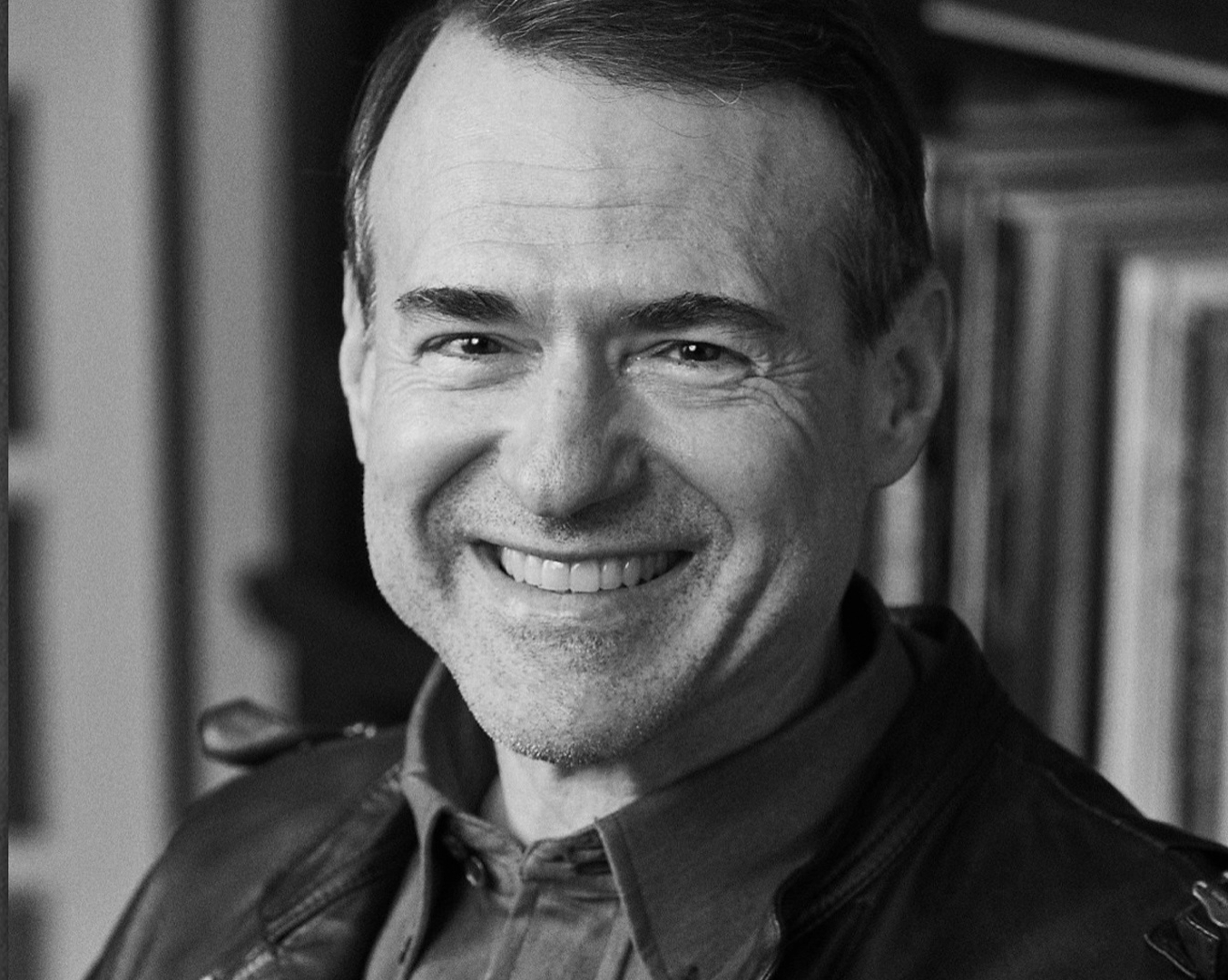
Scott Shay
Co-founder and former chairman of Signature Bank, now co-founder of blockchain-based bank N3XT.
7
APPEARANCES
7
PODCASTS
Sep 25, 2026


Avi FelmanHOST
What was it like on the day? What was it like getting that news? How did you get the news in the first place that signature was being taken?

Scott ShayGUEST
But when someone, when the government did what they did, I mean, there was a point where you don't, because the government has this whole, you know, there's a mechanism for like hounding and destroying people.


Scott ShayGUEST
And if I could do something of public service, like real public service, not like just acting like I'm a public, like acting like public servant, um, then you, you really, it could be revolutionary.
Scott ShayGUEST
And so what I, what I did was first start by, um, working with my colleague jeffrey wallace who had worked with me closely on signet at signature and then our co-founders kyle o'donnell and aurel bonnell joined us and we were going to try to do something we were going to try to create the bank that satoshi would have wanted to create And I say that like really everything we were going to do was mindful.

Bryce PaulHOST
does does your bank make money on that transaction? Because how do you keep the lights on if it wasn't for that net interest income where you're doing all the lending with customer deposits?
Scott ShayGUEST
So that's an excellent question because we are definitionally a low margin business.
7 MINS LATER
Bryce PaulHOST
Where where can people find out more about you? But more importantly, what's next for


Scott ShayGUEST
So starting the, the, the good thing about starting a bank from scratch, which, um, we didn't at Bank United, but, uh, and, and i- or, you know, we used a previous system, but the good thing, and Signature, we really started by using an existing system, was you can just start with a, you know, start with a whiteboard.
Scott ShayGUEST
And so most banks use one of the systems I talked about, you know, for Fidelity or Fiserv, FIS or, or Jack Henry or one of those, and they're good systems.
Scott ShayGUEST
But they were built, you know, they're basically built on systems on systems from the '80s.
17 MINS LATER

MarcHOST
Can you unpack that for us? What is Next, and how does it work, and why is it different than what you did at Signature?
Scott ShayGUEST
Signature was a fractional bank, and even though it had plenty of capital, and this was, in a way, how it had, was why it was vulnerable like any fractional bank, to being destroyed was ultimately you have an F, you have a deposit insurer and you have a lender of last resort.
Scott ShayGUEST
And if somebody says, you know, unsafe, unsound, we're closing you, that's the rule, they can't.
Scott ShayGUEST
So when you moved a dollar on Signet, you were moving a promise to pay from Signature, which was a good promise to pay, but it was a promise to pay.
Scott ShayGUEST
If you go back to the original white paper of Satoshi, what he envisioned was the exact opposite of fractional banking.
Scott ShayGUEST
When you move a block of Bitcoin or Ethereum, whatever the coin is, you move the whole commodity.
8 MINS LATER
MarcHOST
What would you answer to a

speaker_0HOST
Scott, let me just give us a quick, uh, tidbit into your background, what you've been working on for the last 20 or so years, and then we'll get into the conversation.
Scott ShayGUEST
Bank United of Texas, uh, Merrick Bank, which some of your folks may know 'cause it was, it was an, it was an original payment bank, credit card bank.
Scott ShayGUEST
Then I was the fou- I was a founder of Signature Bank, and most notably, my claim to fame is I created Signet.
Scott ShayGUEST
Um, and then right now I'm starting the bank I'm really most proud of, which is actually not a neobank, it's not a fractional bank, it's something that is new under the sun.
Scott ShayGUEST
It is a 100% full reserve bank, which I think is finally a bank that has a real bank that has the ethos of crypto.
12 MINS LATER
speaker_0HOST
Really?

0:46

If you work 20 hours in one day and on an airplane two or three times, you can't do it at the age of 70.
Scott ShayGUEST
So, let me tell you a little bit about Next, because it really is something new under the sun.
6 MINS LATER
7:07
Scott Shea, will the lawyers hate you because people can get the deal done in one day and the lawyers don't get to play ping pong?