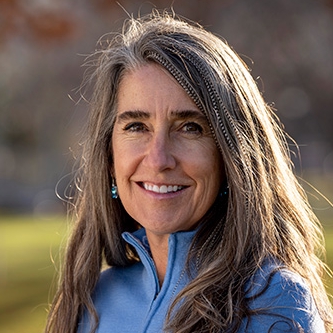
Sara Dant
Environmental historian and author of "Losing Eden: An Environmental History of the American West"; Brady Presidential Distinguished Professor Emerita of History at Weber State University.
2
APPEARANCES
2
PODCASTS
Oct 14, 2026

Dan FloresGUEST
Everything else we were perfectly willing to sacrifice because this is the way they did it in the Old World, don't you know?

Sara DantGUEST
Well, and that's one of the things that I think comes through really powerfully in the book, is how European introduction of the market economy and the commodification of nature just plays out in such a, a relatively short period of time, with a, an unfortunate, atrocious really, consistency.
Sara DantGUEST
And so I know that, that one story I think some people know something about is the, the bison story.
Sara DantGUEST
They're at least familiar with, we had a b- bunch of them, then we almost had none of them, and now we can buy them at the grocery store again.
Sara DantGUEST
So h- but, but your argument in this book is that, in fact, uh, uh, that's just a very small piece of the bison story.
Sara DantGUEST
It's more complicated than that, and it's also far more diagnostic of what was happening to a, a much broader range of wildlife.
5 MINS LATER
Dan FloresGUEST
Passenger pigeons, great auks, Carolina parakeets, ivory-billed woodpeckers, and bison, all, and pronghorns nearly, all became extinct or nearly so in this same period between the 1870s and the 1930s.


Sara DantGUEST
[laughs] Yeah, and, and go about undermining that in, in important and powerful ways.
Sara DantGUEST
Um, my favorite question to ask about the West is the, the at what cost question, not so much as a finger-pointing blame kind of thing, but instead to get at, what are the consequences of the choices that we've made? How does that affect change over time? And, um, one of the things that all three of these books, I think, um, speak to is this idea, and I know that you've talked about this in your podcast, that the past doesn't stay in the past.
Sara DantGUEST
So if people care about what they know, and I think they do, if, if, if you wanna know more about the geography of the West, the people of the West, um, the animals, the plants, then I think you could m- y- you can start with these three books and, and do pretty well.
Sara DantGUEST
So the first book I chose was, uh, Wallace Stegner's Where the Bluebird Sings to the Lemonade Springs: Living and Writing in the West.
Sara DantGUEST
And, you know, I feel in some ways bound to start with Stegner because there's really no one who has written better about the West than him.
13 MINS LATER
RandallHOST
WESTWhat's your third book, Sarah?