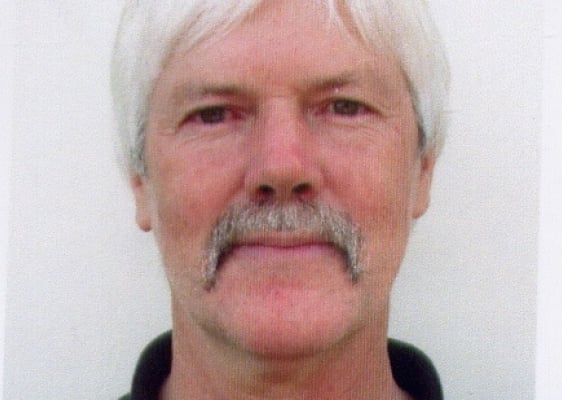
Sandy Polson
Registered psychotherapist specializing in children and teens, with a private practice at Leaside Therapy Centre in midtown Toronto. Board member at Catch Collaborative Therapy for Children and guest host of the Catch-Up on Kids Mental Health podcast.
3
APPEARANCES
1
PODCASTS
Aug 13, 2026


Janet MorrisonHOST
How do you evaluate those pieces of information? And how do you develop your critical thinking skills that really are the antidote to the bombardment of propaganda that we're all being exposed to?

Sandy PoulsonGUEST
And so in a perfect world or in a less imperfect world, we have families that will hopefully have lots of discussions with kids, talking to them about what they're seeing, how it's making them feel.
Sandy PoulsonGUEST
But then one of the chapters that you titled Community Violence Happens When Relationships Break Down.
Sandy PoulsonGUEST
So in those families where the the relationships have broken down or have not been properly established.
8 MINS LATER
Janet MorrisonHOST
And so all children, any child who is growing up in an atmosphere of hate, in an atmosphere of intolerance, in an atmosphere of being excluded is going to have more stress and more mental health difficulties than a child who's blessed with being a part of the minority culture.
Sandy PoulsonGUEST
Now, in those situations where children who are stigmatized because of LGBTQ identities, how have you seen families responding to that? Do these children have fundamentally strong family ties in terms of, as we go back to relationships matter, or is that an issue as well?
Janet MorrisonHOST
And to imagine that children, we all know and read books about and have friends who've been successful adults, and even if they've been enormously successful adults, if they felt alone and stigmatized in those early school years, that's a pain that stays with them forever.
Sandy PoulsonGUEST
And then on that note, this issue of bullying, which is such a hot topic in all schools all the time, the bullier and the bullied, what are those personality traits that are carried into those two situations? Who is the bullier and who is the bullied?
8 MINS LATER
Janet MorrisonHOST
They're always resisting anything that's new because it's potentially shaming, humiliating, threatening, or just very difficult.
Sandy PoulsonGUEST
And so teachers often have 25 to 30 children in the classroom that that's a lot of pressure on them to try to manage everybody's everyday feelings.
Sandy PoulsonGUEST
Are there ways, and I think you talked about this in your book, to have some of the children in the classroom be part of the support network so that it's not all on the teacher, that some of the so-called leaders, the more mature kids in the class can help some of those that are struggling more?
Janet MorrisonHOST
You don't try to teach a child how to do a complex puzzle when they're exhausted at bedtime.
Sandy PoulsonGUEST
With all of this, what we've talked about so far, from the child's standpoint, how is it made more complicated by phones, social media? television, all of the screen time.
Sandy PoulsonGUEST
How is that interfering with the child's ability to develop, to emotionally regulate? So starting with the child and then moving on to the parent who may also be distracted by all of the social media.
9 MINS LATER