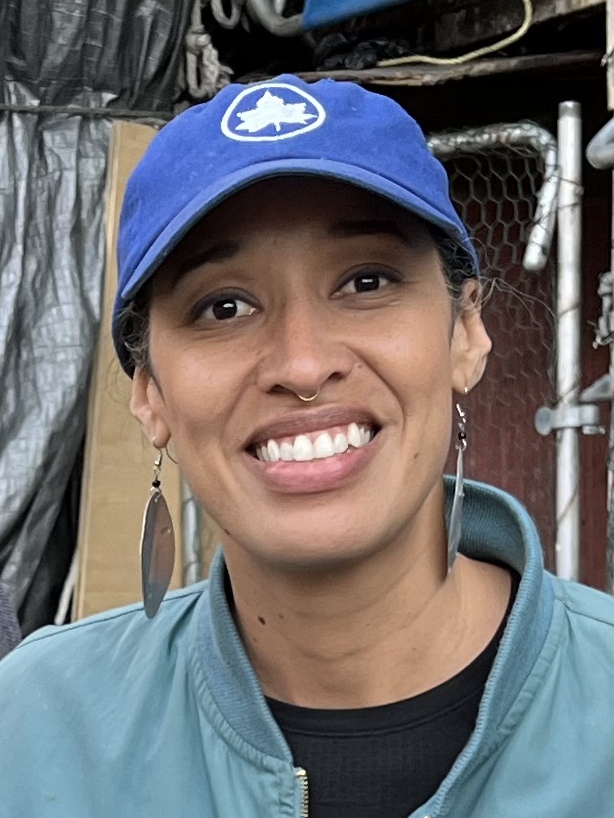
Sandy Nurse
Member of New York City Council
17
APPEARANCES
12
PODCASTS
Oct 23, 2026


Sandy NurseGUEST
And that might give a picture of the type of building we have and the type of government intervention that's already happening in these buildings.
Sandy NurseGUEST
So buildings would be eligible for COPA if they are for over a year in the alternate enforcement program.
Sandy NurseGUEST
enforcement program where buildings that have extremely high levels of violations, real unsafe conditions, the city is really focused in and spending a lot of time in these buildings.
13 MINS LATER

Ben MaxHOST
But what were the couple of major top changes you made to the bill between the last version and this version that now has passed with even more support in the council? Yeah.

speaker_13UNKNOWN
So I was wondering if you could say if there was anything
32 MINS LATER
Polly TrottenbergMODERATOR
i think in the council member would you like the last word yeah i can

Mila AtmosHOST
The UN was paying Haitians, who had just been through a traumatic natural disaster, in food or low wages in exchange for hard labor.
Sandy NurseGUEST
The thing that really just kinda snapped for me and, and essentially just broke my heart was seeing on this mountainside these old Haitian women in their flip-flops carrying these boulders, um, to make these walls to prevent the landslides.
Sandy NurseGUEST
You'd see people with, like, a, a backhoe or, like, a big claw Caterpillar thing.
Sandy NurseGUEST
These, these, these women are just moving these boulders, and I just said, "This shit is n- this is not for me." Like, we should not be asking these women to work for a sack of beans or some small dollars to do public works projects that are the job of a, a state, a nation state, or a government.
Sandy NurseGUEST
I walked away from that really let down by the promise of what I was being told as a child about the project of Am- Americanism.
11 MINS LATER
Mila AtmosHOST
Perhaps it was only because Occupy was kinda the only game in town, but our cynics, Sandy and Nalini, that I introduced to you earlier, were curious.
Sandy NurseGUEST
I had been following online a little bit, and one of my best friends, both of us were kind of these gloom and doom, disillusioned, apathetic, hate political culture.


Sandy NurseGUEST
There were a lot of people who would just stand in the park and host kind of mini conversations.
Sandy NurseGUEST
People broke into smaller groups around a conversation of what is the world you want to see? What is the future we want to see? What's broken in our system? People were just being...
Sandy NurseGUEST
So it felt like you could come in and you could find something that interests you that centered around the politics of The 1% versus the 99%.
6 MINS LATER

Mila AtmosHOST
The U.N. was paying Haitians who had just been through a traumatic natural disaster in food or low wages in exchange for hard
Sandy NurseGUEST
The thing that really just kind of snapped for me and essentially just broke my heart was seeing on this mountainside these old Haitian women in their flip-flops carrying these boulders to make these walls.
12 MINS LATER
Mila AtmosHOST
Being a leader in a hierarchical, traditional structure and being the center of so much attention has been an adjustment.

Mila AtmosHOST
She was born in Panama to two Navy sailors, a white American mother, and a Black Panamanian father.
Sandy NurseGUEST
I started as a kid who was a part of a US military occupying force, the mission of which is to exploit people, land, and resources for the benefit of the United States of America.
Sandy NurseGUEST
And I spent a lot of time, my, almost my entire childhood, uh, moving around the world and seeing the reactions to that, the consequences of that.
Mila AtmosHOST
The UN was paying Haitians, who had just been through a traumatic natural disaster, in food or low wages in exchange for hard labor.
Sandy NurseGUEST
The thing that really just kind of snapped for me and, and essentially just broke my heart was seeing on this mountainside these old Haitian women in their flip-flops carrying these boulders, um, to make these walls to prevent the landslides, and this is a job that most in the United States we'd see on a highway.
Sandy NurseGUEST
You'd see people with, like, a, a backhoe or, like, a big claw Caterpillar thing.
Sandy NurseGUEST
These, these, these women are just moving these boulders, and I just said, "This shit is n- this is not for me Like, we should not be asking these women to work for a sack of beans or some small dollars to do public works projects that are the job of a, a state, a nation state, or a government.
Sandy NurseGUEST
I walked away from that really let down by the promise of what I was being told as a child about the project of A- Americanism.

Mila AtmosHOST
Here's Sandy, the direct action team member who had helped plan the somewhat disastrous Brooklyn Bridge march.
Sandy NurseGUEST
Someone that I had started to see romantically, when they got arrested, it turned out they were on, like, a domestic joint terrorism watch force list.
Mila AtmosHOST
Sometimes an occupier would throw out an idea or argue a point that seemed potentially destructive, but when everyone was trying so hard to be radically inclusive and there were no set leaders, what do you do? Here's Sandy again.
Sandy NurseGUEST
Somebody showed up and decided they wanted to lead a march, and we don't know who this person is.

Mila AtmosHOST
She was born in Panama to two Navy sailors, a white American mother and a Black Panamanian father.
Sandy NurseGUEST
I started as a kid who was a part of a US military occupying force, the mission of which is to exploit people, land, and resources for the benefit of the United States of America.
Sandy NurseGUEST
And I spent a lot of time, my, almost my entire childhood, uh, moving around the world and seeing the reactions to that, the consequences of that.
Mila AtmosHOST
The UN was paying Haitians, who had just been through a traumatic natural disaster, in food or low wages in exchange for hard labor.
Sandy NurseGUEST
The thing that really just kind of snapped for me and, and essentially just broke my heart was seeing on this mountainside these old Haitian women in their flip-flops carrying these boulders, um, to make these walls to prevent the landslides.
Sandy NurseGUEST
You'd see people with, like, a, a backhoe or, like, a big claw Caterpillar thing.
Sandy NurseGUEST
These, these, these women are just moving these boulders, and I just said, "This shit is n- this is not for me." Like, we should not be asking these women to work for a sack of beans or some small dollars to do public works projects that are the job of a, a state, a nation state or a government.

Sandy NurseGUEST
At the end of the day, they arrested, what, like 700, 800 people on these buses and people who didn't know they were going to get arrested.
Sandy NurseGUEST
It was a moment where a lot of conflict happened, a lot of media attention happened.
Mila AtmosHOST
Even though everyone agreed that the problem was a capitalist system rigged by the 1%, they didn't agree on how to approach the problem.

Sandy NurseGUEST
The thing that really just kind of snapped for me and essentially just broke my heart was seeing on this mountainside these old Haitian women in their flip-flops carrying these boulders to make these walls to prevent the landslides.
11 MINS LATER
Sandy NurseGUEST
I had been following online a little bit and one of my best friends, both of us were kind of these gloom and doom, disillusioned, apathetic, hate political culture.

Mila AtmosHOST
She was born in Panama to two Navy sailors, a white American mother and a Black Panamanian father.
Sandy NurseGUEST
I started as a kid who was a part of a US military occupying force, the mission of which is to exploit people, land, and resources for the benefit of the United States of America.
Sandy NurseGUEST
And I spent a lot of time, my, almost my entire childhood, uh, moving around the world and seeing the reactions to that, the consequences of that.
Mila AtmosHOST
The UN was paying Haitians, who had just been through a traumatic natural disaster, in food or low wages in exchange for hard labor.
Sandy NurseGUEST
The thing that really just kinda snapped for me and, and essentially just broke my heart was seeing on this mountainside these old Haitian women in their flip-flops carrying these boulders, um, to make these walls to prevent the landslides, and this is a job that most, in the United States, we'd see on a highway.
Sandy NurseGUEST
You'd see people with, like, a, a backhoe or, like, a big claw Caterpillar thing.
Sandy NurseGUEST
These, these, these women are just moving these boulders, and I just said, "This shit is n- this is not for me." Like, we should not be asking these women to work for a sack of beans or some small dollars to do public works projects that are the job of a, a state, a nation state or a government.
Sandy NurseGUEST
I walked away from that really let down by the promise of what I was being told as a child about the project of Am- Americanism.
Sandy NurseGUEST
There's one of these benches in the park that became the breakfast bench and eventually became the kitchen.
Mila AtmosHOST
The first one was in the morning, kicking off the day with an attempt to disrupt the opening bell at 9.30 a.m. Yeah,
Mila AtmosHOST
She was born in Panama to two Navy sailors, a white American mother and a Black Panamanian father.
Sandy NurseGUEST
I started as a kid who was a part of a U.S. military occupying force, the mission of which is to exploit people, land and resources for the benefit of the United States of America.
Sandy NurseGUEST
And I spent a lot of time, almost my entire childhood, moving around the world and seeing the reactions to that, the consequences of that.
Mila AtmosHOST
The U.N. was paying Haitians who had just been through a traumatic natural disaster in food or low wages in
Sandy NurseGUEST
The thing that really just kind of snapped for me and essentially just broke my heart was seeing on this mountainside these families old Haitian women in their flip-flops carrying these boulders to make these walls to prevent the landslides.

29:11

Like, yeah, it's a bunch of people doing T- TikTok stuff, but, like, is it really posing a public threat?
Sandy NurseGUEST
But I was thinking about, like, in Philly, when they have games, like, the mayor goes and does, like, a press conference and, like-


Sandy NurseGUEST
Yeah, I mean, the point of, of, of legislation is, is public debate, right? So I welcome public debate, and I, I welcome engagement here because at the end of the day, those workers working in that small business, whether it's one or two workers, if they are p- getting paid seventeen dollars an hour, that worker is probably miserable, right? They are struggling.
Sandy NurseGUEST
When they leave that shop at night, they are going home making very, very tough choices about what type of food they can put on the table.
Sandy NurseGUEST
Is it healthy food? Is it junk food? They are thinking about, "Can I afford my prescription medicine at the pharmacy or not? Can I, um, pay for childcare or not? Do I have to stop working because I can't pay for childcare? Do I have enough money to get, uh, get on the train and buy my monthly pass?" Like, this is the challenges our workers are facing, and most of them are expecting to leave.
9 MINS LATER

Brian LehrerHOST
So what does that agency actually do, and why do you think it needs more money right now?
Brian LehrerHOST
Uh, so, you know, I don't want to misportray what we're getting on the phones as somehow public opinion, period, but you see what you're provoking in business owners like Keisha.
Sandy NurseGUEST
I mean, the point of, of, of legislation is, is public debate, right? So I welcome public debate, and I, I welcome engagement here because at the end of the day, those workers working in that small business, whether it's one or two workers, if they are p- getting paid seventeen dollars an hour, that worker is probably miserable, right? They are struggling.
Sandy NurseGUEST
When they leave that shop at night, they are going home making very, very tough choices about what type of food they can put on the table.
10 MINS LATER
Brian LehrerHOST
So what does that agency actually do, and why do you think it needs more money right now?