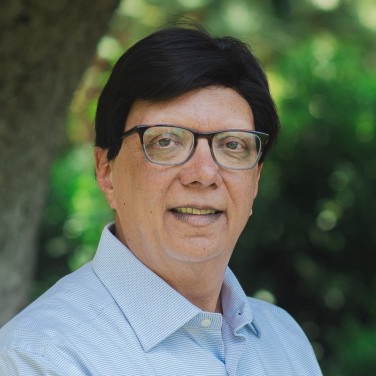
Samir Mitra
Founder & CEO of Reya.ai (formerly Reya Health), a Silicon Valley longevity-intelligence and AI healthcare platform built for preventive care clinics.
1
APPEARANCES
1
PODCASTS
Aug 30, 2026

DaphnaHOST
Tell us a little bit about Rea.ai and what you're trying to achieve with your company, what gaps you're trying to fill.

Samir MitraGUEST
Rea.ai is basically an AI software company that is trying to make longevity more meaningful in terms of what people need to do daily, how they should eat, how they should sleep.
Samir MitraGUEST
And today you get a lot of data about yourself, but you're not able to really interpret that.
Samir MitraGUEST
And so we're really trying to reduce the noise ratio and make it more meaningful to people.
Samir MitraGUEST
And we think AI is going to be critical in that, especially in the longevity space, because longevity inherently has a lot of data.
Samir MitraGUEST
So if you kind of look at your body, Your body can emit tons of data and we're getting a lot of measurable devices like the whoop and the auras, but there's going to be so much more coming down the road that your body is going to be a massive source of data and it's real time.
DaphnaHOST
Now, how involved is the clinician still once they get the information from Rhea, once they get the analysis? What does the clinician still have to do or should do before implementing a protocol or speaking to the patient?