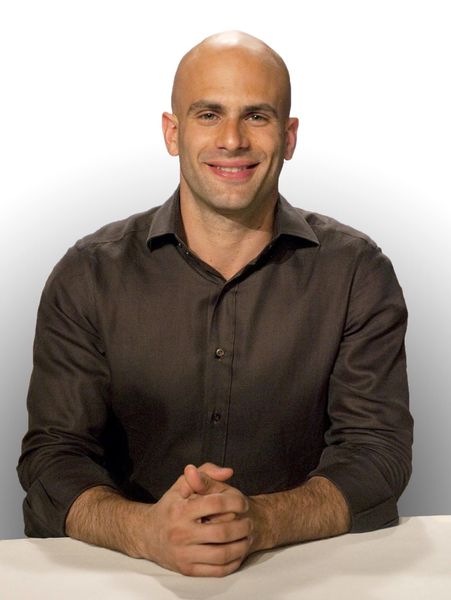
Sam Kass
American professional advisor and chef
6
APPEARANCES
6
PODCASTS
Jul 6, 2026


Sam KassGUEST
What, I mean, a lot of the ideals I embody and I believe in, and like when I find a farm that is actually doing it on a small level, like I support, like my farm just down the way is one of my favorite places on earth that I support and the chickens live a better life than I do.
13 MINS LATER


Sam KassGUEST
In the Pacific Northwest two years ago, they closed the snow crab fishery for the first time in its history.They did that because that fishery had gone from eleven point seven billion crabs in twenty eighteen to one point nine billion last year.
Sam KassGUEST
Now, there was hope that, you know, nature is resilient and that population would rebound, but just about a month ago, officials announced that that fishery would be closed for the second straight year because the population just had not recovered.
Sam KassGUEST
That absolutely decimates those fishermen who have depended on that fishing grounds for a generation.
Sam KassGUEST
Now, let's turn to fruit, that beautiful little peach jam in the little mozzarella cup you had.
10 MINS LATER

Sam KassGUEST
Like I'd, I'm happy to see them go, but you will see absolutely no difference in the public health whether they're there or not.
7 MINS LATER

Jonathan CohnHOST
I mean, security in both senses of the word, right? Security for individuals, but also effects like national security issues.

Sam KassGUEST
On the ag side, I think we need to start basically incentivizing farmers to farm in a much more regenerative way, which basically means not just thinking about what we take out, but also what we're preserving and building, and the health of the soil namely, and then the sort of health of the ecology around our agricultural systems, so they're not wiping out biodiversities, and so we are building soil health that can resist and withstand a lot of the, the volatility, the drought, et cetera, that we're, that we're gonna face.
Sam KassGUEST
Part of when you start farming that way, we can start sequestering a ton of carbon, um, and there's new tools and technologies that, you know, uh, 110 metric tons of carbon that is in our atmosphere used to be... 110 million, sorry, uh, metric tons used to be in our, our, our atmosphere, or, you know, that is in our atmosphere, used to be in our soils.
Sam KassGUEST
When you start farming this way, you start putting that carbon back in the soil, and so we should start paying farmers to do that, and paying them for that carbon sequestration.

Dave ChangHOST
Do you wanna explain to everybody? 'Cause it- it gets thrown around, but I don't think people even understand what the hell it is.

Caleb BissingerHOST
And I just don't wanna end up in a situation where we're putting the burden of changing our food system on individuals.
Sam KassGUEST
Our food environments are the things that are gonna most dictate the choices we make, and, you know, I think there's sort of a- a push-pull relationship, and there's a conversation between eaters and producers of food, and it goes back and forth, and we have to incrementally move that conversation forward.
Sam KassGUEST
I think the main point is we- we have to have policies that support healthy and affordable food to everybody.
Sam KassGUEST
We have to have businesses that are actually trying to make nutrient-dense foods and putting the health of their eaters at least on the agenda, not just, you know, profit margins and revenue.
5 MINS LATER
Caleb BissingerHOST
And you seemed almost cautiously optimistic that they, uh, I'm quoting you here, "might make the issue of health and food bipartisan." Are you still feeling optimistic?

Sam KassGUEST
In the Pacific Northwest, two years ago, they closed the snow crab fishery for the first time in its history.