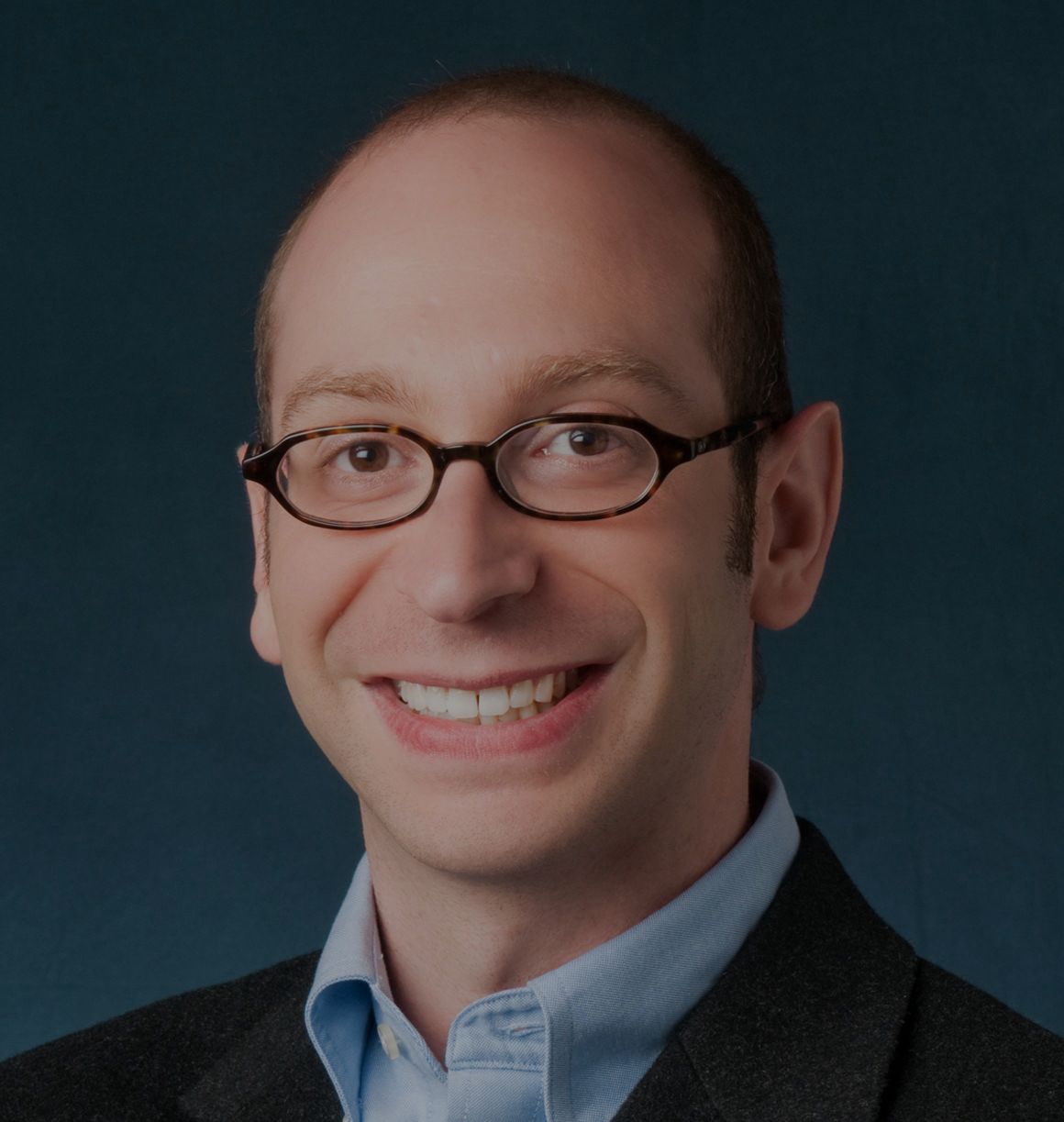
Sam Arbesman
Complexity scientist, author of The Magic of Code, and Venture Partner/Scientist in Residence at Lux Capital; adjunct professor at Case Western Reserve's Weatherhead School.
3
APPEARANCES
3
PODCASTS
Nov 17, 2026


Keith AdamsHOST
there are many people who can build incredible things in Excel who don't think of themselves as programmers, where I'm happy to explain why it's Turing complete and you know.

Sam ArbesmanGUEST
And it's also one of these things where you know that it's very, very powerful and open-ended because the kinds of things people are building in it are things I imagine no one in their right mind in Microsoft could have ever imagined would actually be able to be created.
Sam ArbesmanGUEST
And so for me, that open-endedness, whether turn completeness or not, is a hallmark of a truly expressive language.
Sam ArbesmanGUEST
And for a long time, I had been looking at people who had been doing certain things in kind of... like program synthesis or kind of like ways of making it easier to generate code using computer programs themselves.
Sam ArbesmanGUEST
And then, of course, now with the advent of like generating, like generative AI and code generation, it really feels in many ways like this is the embodiment of all these things that I've been thinking about for all these years.
23 MINS LATER


Brian KeatingHOST
So- Talk about what is a universal computer? What is a Turing machine? What are the kind of preliminaries that someone would need to kind of access before we can dive into the other topics like artificial
Sam ArbesmanGUEST
And so computation is this very general property of, I guess, of matter where it's kind of the traditional kind of computer is it's manipulating information and the idea behind kind of the the Turing machine and these Turing equivalents is that when a programming language or a machine can manipulate information in a certain way where there can be branching depending on the specific situations, which allows you to create if statements and loops and things like that, which we know from more traditional computing, Once you have a certain level of open-endedness in terms of what you can describe, in this case, describing an algorithm or a set of rules, you have this kind of universality.
Sam ArbesmanGUEST
And you mentioned the Turing machine is like this thing that doesn't have random access.
19 MINS LATER
Brian KeatingHOST
What is the meaning, purpose, and how do we react and evolve with that? Or are they destined to the ash bin of history like an RJ45 jack in your home or your 8-pack system?


David EaglemanHOST
Given the evolution of the complexity all around us, what is your opinion on whether we are already living in a simulation?
Sam ArbesmanGUEST
I like to think about it much more as if you kind of not necessarily take the simulation hypothesis seriously as this like question of great importance, but as like, oh, a question that kind of leads me to think about more things around physics and computing, then I think it can actually be very productive.
Sam ArbesmanGUEST
So the question becomes like in the same way that people talk about the simulation hypothesis, there are interesting aspects around like breaking out of a computer program when you were inside it, or like the high resolution fidelity of computer games, or even just the ways in which physics and reality and computing intersect.
Sam ArbesmanGUEST
Oftentimes when we think about computation, we think of it as this kind of like ephemeral information stuff.
6 MINS LATER
David EaglemanHOST
So how do you recommend in your book and in your life preserving our sense of magic around the technology that we have?