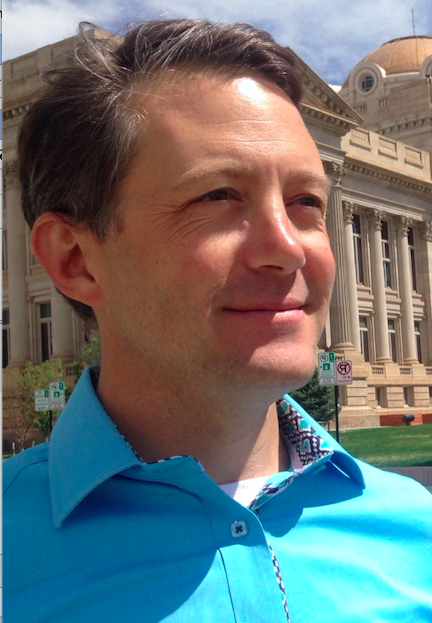
Sal Pace
Politician
3
APPEARANCES
2
PODCASTS
Sep 30, 2026


Ian SilveriiHOST
How would a rider practically use Coco to get around? Like, give me an example of somebody who is currently car dependent but wants to use the train when it's up and running to just get around the front range.

Sal PaceGUEST
Well, first of all, part of the $1.3 billion that'll be used for local infrastructure is going to be utilized for first and last mile.
Sal PaceGUEST
And so the communities that are receiving these dollars is going to be a funded mandate for Where before we send these dollars, we're going to say, put together your plan.
Sal PaceGUEST
What does your station look like? What's your parking plan? Oh, what's your first mile? What's your last mile connectivity? And that'll be different in different communities.
Sal PaceGUEST
So Colorado Springs, we're working closely with Colorado Springs Transit, something they're excited to do and they're committed to doing.
Sal PaceGUEST
is an express bus from every train that comes into Colorado Springs to the Colorado Springs Airport.
Sal PaceGUEST
Now, if you take the train up to Denver, you get up to Denver Union Station, all you have to do is go over to the next platform to take the A train out to DIA, for instance.
Jason BaneHOST
How do people visualize where these trains are going to run? Is it sort of near I-25 or how would you picture it?

Sal PaceGUEST
And we have modeled out spending over $1.5 billion over the next 25 years to create connectivity from each of these stations.
Sal PaceGUEST
And we're working with the local municipalities and we have signed proclamations or resolutions with almost all of the municipalities with stations already.
Sal PaceGUEST
We're not just pulling into Fort Collins or Boulder without somewhere to go, but we are partnering with the local municipalities up and down the line to include first mile, last mile connectivity, walkability, bikeability, et cetera, so that these stations aren't just islands, they're anchors.

Ryan WarnerHOST
another more conservative consultant whose job is rural outreach and who said, the reason I back this project is because it does not rely on eminent domain.
Sal PaceGUEST
The turning point for me was during the Black Lives Matters protests and the reckoning happening in our country after the George Floyd murder.

Bente BirkelandCORRESPONDENT
And Sell says it's important, especially for Jefferson ancestors, some of whom are Black, to be recognized on equal footing and to understand the contradictory legacy of the man who wrote the Declaration of Independence.