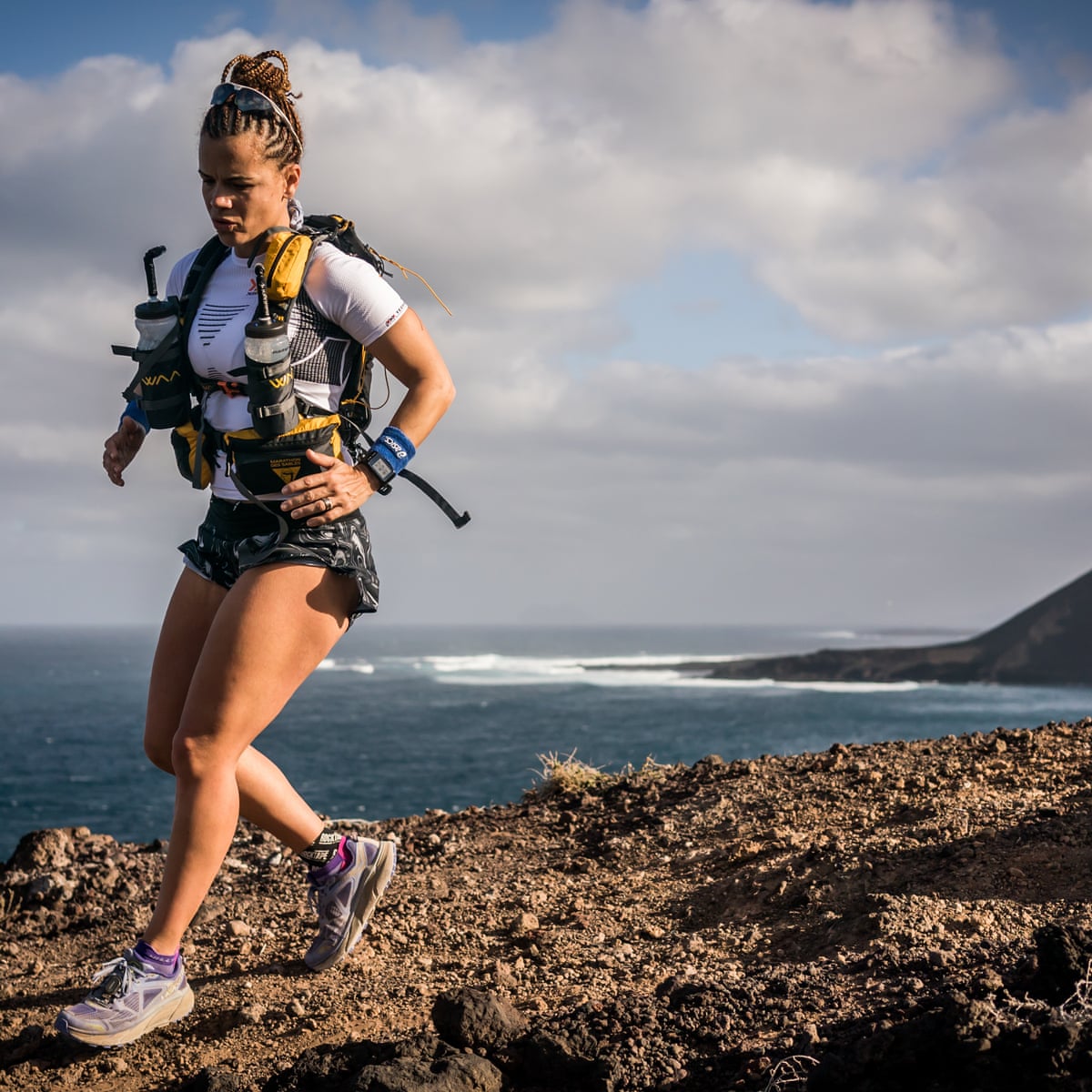
Sabrina Pace-Humphreys
Runner
7
APPEARANCES
6
PODCASTS
Sep 15, 2026


6:00
I really wanted to get to La Flegere, that cutoff- And even in my confusion, even in my amnesia, I basically, half an hour later, the ferme crew apparently caught up to me.
6:22
They sweep the back of the pack, ensure that no one in the race is behind them.
7 MINS LATER


4:50
My experience as a kid and a young person was very tricky, very traumatic.
5:01
I didn't like going outdoors, so therefore I didn't join the sports clubs at school.
5:06
We couldn't afford for me to anyway, couldn't afford the shoes, couldn't afford the kit, but...
5:10
I didn't like putting myself in any kind of situation that felt unsafe and being outside my house felt unsafe.
5:20
And I think that that really shaped my experience as a kid and as a teenager.
33 MINS LATER


Corrine MalcolmHOST
... can you tell us a little bit about your work through Black Trail Runners in the UK? Like, what is BTR? What do they do? Why, why was it kicked off?
26:22
So BTR, Black Trail Runners, is a community and campaigning charity here in the UK.
26:29
It was, I was co-founder, I am co-founder of it, and it came from the idea for Black Trail Runners, which our aim is to increase the inclusion, participation, and representation of Black people and people of the global majority in trail running.
26:48
And how we do that is to address three key pillars, those pillars being access, skills, and representation.
26:57
And if you imagine those three pillars as being like totem poles, underneath all of that, when we think about access, we think about geographical access, financial access.
27:09
We think about, um, when we talk about skills, we talk about how to trail run.
28 MINS LATER

34:29
Because, because when you're talking about issues of race or the lack of diversity, you know, all of those things that kind of, I guess, are the key parts of my story.
34:42
You know, being a teenage mum at 17, getting pregnant at 17, and being an alcoholic.
34:47
You know, all of these things, the old Sabrina I guess, or the Sabrina w- that will sometimes come out and come to play if she's feeling particularly vulnerable will say, "No, no.
10 MINS LATER

Sam BakerHOST
But what would you say to someone who, like you, is perimenopausal, who is kind of into their 40s and thinking, "I want this to be the start of something"? How would you suggest that they put that first foot outside?


5:04
think that it absolutely impacted my everyday lived experience of, of, as a child, as a teenager, as a young woman, I think that, uh, I grew up, my father is black and my mother is white.
5:23
And I have a sister and my sister is for those for those listeners who may not kind of understand this.
5:32
My sister is white presenting, meaning that if you looked at my sister, you would not be able to tell that she had a father who was black.
18 MINS LATER


40:25
blood test turns out and et cetera, et cetera, that I'm in menopause now.
40:30
And I think that I've had such an issue with sleep for years and years and years, especially before big races.
40:41
because i think when we get into that stress oh my god it's 11 o'clock now it's 12 o'clock now or are you waking up oh you just it just again the cortisol levels rise and that's not good going into a race so therefore i think that you know try not to doom scroll, you know, get into bed, just know that you've done everything that you possibly can.
41:09
And if sleep isn't coming naturally, just like try not to fight it too much.
41:16
You know, like whether what works for you is to like, is to get up, is to watch some mindless telly, like, I think that when we fight, it just makes, it compounds the whole situation.
24 MINS LATER
Esther NewmanHOST
Do you have techniques to kind of lower your heart rate to make yourself feel as though you're okay? Yeah.
Ben HobsonHOST
But how do you approach it so that everyone feels like any woman can pick up that book and read it?
19:24
It's really asking myself the questions when I'm writing every single chapter.
19:29
How can I ensure that I am covering from a teenage girl right up to a menopausal woman? How can I make sure from an ethnic diversity point of view that I'm always bearing in mind the barriers that exist for people who are non-white? How do I look at the barriers in a way that is accessible to many without kind of like putting more barriers up for the few, right? And it's why, like when I'm talking about safety...
26 MINS LATER