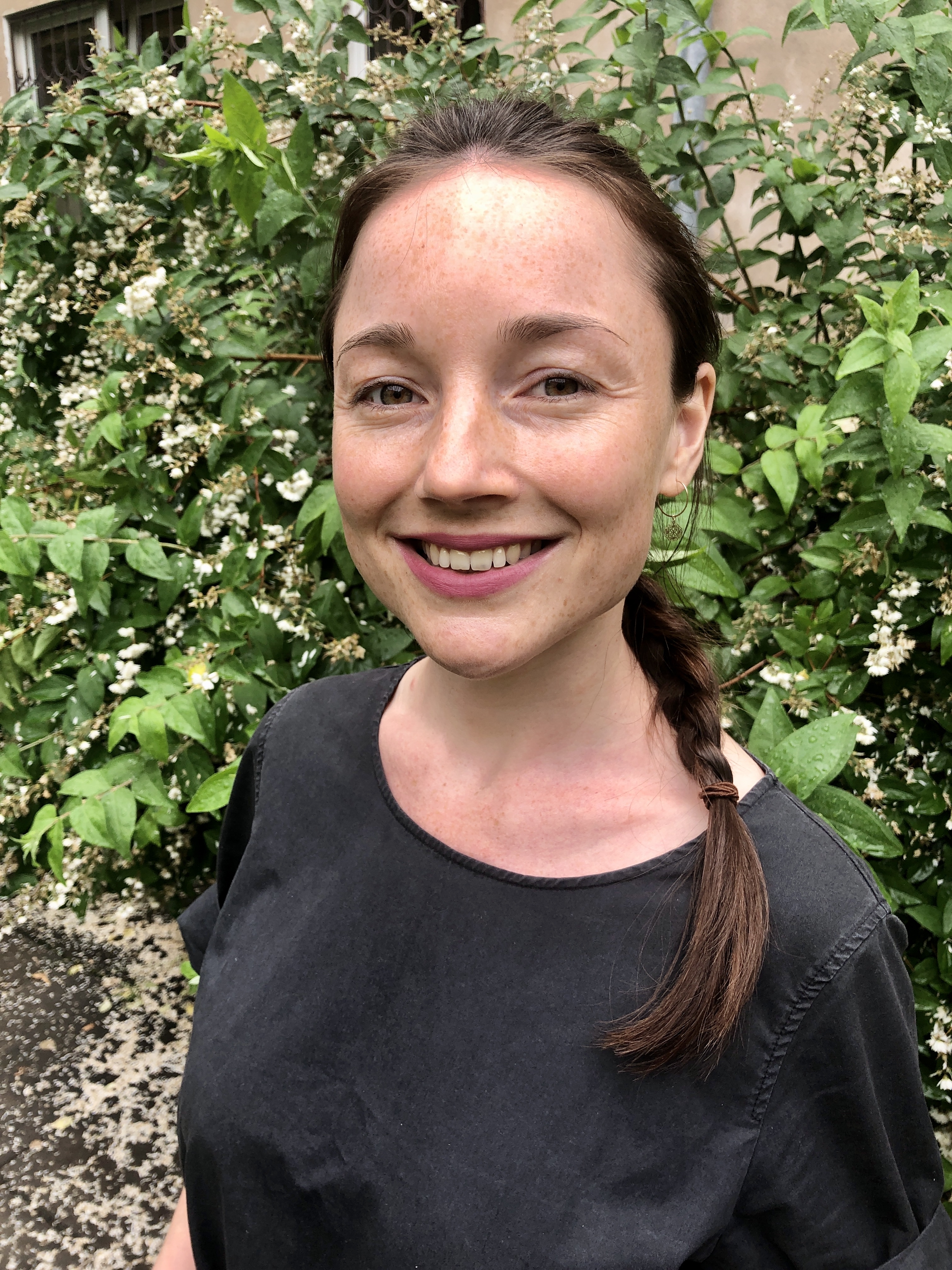
Sabine Volk
1
APPEARANCES
1
PODCASTS
Oct 1, 2026

Javid IbadHOST
Is this a product of a deep-seeded structural inequalities and the poor performance of traditional parties in the eastern part of Germany, or is it the success of AfD and its leader Ulrich Siegmund itself?
Sabine VolkGUEST
Um, yes, usually we need to explain far-right success looking at different factors, and I would argue that both factors that you mentioned, so both the structural inequalities that we see in a state like Saxony-Anhalt, and AfD agency and their campaigning both play a role in order to explain the success.
Sabine VolkGUEST
Yeah, so on the one hand, in Saxony-Anhalt, and also in Mecklenburg-Vorpommern, so this regional state of Germany where the next much mediatized, uh, regional election will happen, we see these, uh, yeah, long-term structural inequalities.
Sabine VolkGUEST
We see deindustrialization, uh, we see demographic changes in the sense of population loss since the transformation after 1989, 1990.
Sabine VolkGUEST
And so we indeed see here a somewhat like a fertile ground for far-right success.
7 MINS LATER
Javid IbadHOST
Generally speaking, what does this election mean for governability in Sachsen-Anhalt? What are the potential coalitions? And I'm specifically interested in the role of Bündnis Sahra Wagenknecht in all of these calculations.