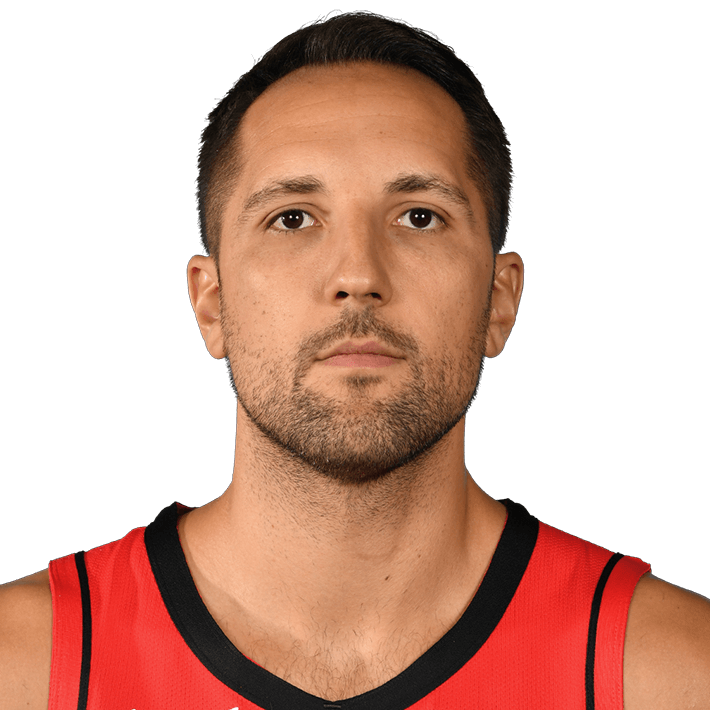
Ryan Anderson
Vice President of Global Research and Planning at MillerKnoll and host of the About Place podcast on the future of work and the workplace.
1
APPEARANCES
1
PODCASTS
Sep 25, 2026


Ryan AndersonGUEST
Um, if you look historically at the ways that we think about workplace design, a concept known as activity-based work or activity-based planning has been pretty much the dominant approach for maybe 30 years, and it starts with the question: What types of activity does this space need to support? So historically, an office, as an example, would've been like, okay, meetings, email, training, um, you know, large board meetings, whatever.
Ryan AndersonGUEST
Well, over the course of many years, but in particular over the last five or six years, so many of those activities have landed on our desktop, where we have software that facilitates us doing all those things that we would've otherwise done in person.
Ryan AndersonGUEST
And for the average person working in an office, they might say, "Well, any of those things you just mentioned, I'm gonna be doing from my laptop.
8 MINS LATER

Mark GilbreathHOST
H- How, how have your thoughts evolved on solving for the intersection of distributed or global work with this new dimension of intention or of, of relationships and interaction?