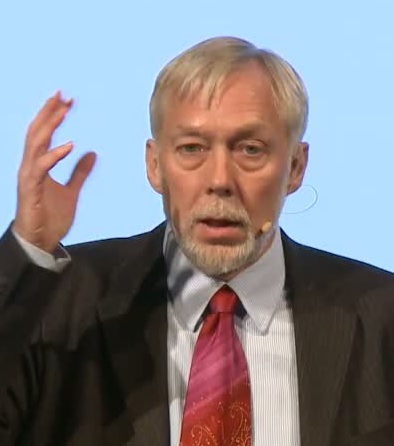
Roy Baumeister
American social psychologist
7
APPEARANCES
5
PODCASTS
Nov 17, 2026


Roy BaumeisterGUEST
talked about the tragedy of the male sex drive uh yes well uh using the tragedy and the term uh in the more advanced literary criticism arthur miller had a famous uh essay a tragedy is not just something bad happening uh but it's sort of a fatal flaw in yourself and you're striving for something great uh but because of the flaw you you fail he said uh He said, in a sense, tragedy, although it has an unhappy ending, it's more uplifting than comedy.
Roy BaumeisterGUEST
But it seems doomed to falling short of its desires that men were just instilled to want.
Roy BaumeisterGUEST
talked about the tragedy of the male sex drive uh yes well uh using the tragedy and the term uh in the more advanced literary criticism arthur miller had a famous uh essay a tragedy is not just something bad happening uh but it's sort of a fatal flaw in yourself and you're striving for something great uh but because of the flaw you you fail he said uh He said, in a sense, tragedy, although it has an unhappy ending, it's more uplifting than comedy.
Roy BaumeisterGUEST
But it seems doomed to falling short of its desires that men were just instilled to want.

Roy BaumeisterGUEST
Well, uh, I'm using the tragedy and the term, uh, in the more advanced literary criticism.
Roy BaumeisterGUEST
A tragedy is not just something bad happening, uh, but it's sort of a, a fatal flaw in yourself, and you're striving for something great, uh, but because of the flaw, you, you fail.
Roy BaumeisterGUEST
He said, uh, he said, in a sense, tragedy, although it has unhappy ending, it's more uplifting than comedy, 'cause comedy sort of looks at people's faults and foibles and bad things.
Roy BaumeisterGUEST
Yes, well, using the tragedy and the term in the more advanced literary criticism, Arthur Miller had a famous essay, a tragedy is not just something bad happening, but it's sort of a fatal flaw in yourself and you're striving for something great.
Roy BaumeisterGUEST
He said, uh, he said in a sense tragedy, although it has unhappy ending, it's more uplifting than comedy is comedy sort of looks at people's faults and foibles and bad things.
Roy BaumeisterGUEST
I'm not even saying that it's, that it's a bad thing, but, uh, it seems doomed, uh, to falling short of its, of its desires that men were just instilled to, want more sex than they're likely to get.


Michael EasterHOST
So question I have, big picture question, why are we like this? Why do we focus so much on the negative?
Roy BaumeisterGUEST
That's when I said, well, let's see where it's true and where it's not true.
Roy BaumeisterGUEST
So it didn't make that sort of interesting, complicated theory, but in a way that was offset by, well, this must be one of the basic properties of the mind and something that basic.
12 MINS LATER
Michael EasterHOST
So for people who feel like things are persistently bad in their life, they're overwhelmed, What do you tell them, like your students?


Dan LappinHOST
Can you share a little bit about the book, the premise of the book, uh, with our listeners?
Roy BaumeisterGUEST
Um, I, I was noticing things that, uh, here and there, um, in the psychological research, uh, bad things have, seem to have more impact than good things.
Roy BaumeisterGUEST
Even in my own lab studies, I would manipulate success and failure, and the success condition was pretty much similar to the neutral control condition in whatever we measured, and the, uh, the, the, the failure condition, people reacted to that more.
Roy BaumeisterGUEST
And then in another line of work I manipulated were that people were accepted or rejected by others, and the accepted were pretty much similar to the neutral controls, but, oh, rejection really pressed people's buttons and got a, a bigger reaction.
Roy BaumeisterGUEST
So I wondered how, how big was this? And we started reading the literature on all sorts of different topics, um, and it ultimately resulted in a journal article called Bad Is Stronger than Good, which just summed up the, the effect that we found everywhere.
Roy BaumeisterGUEST
We all had our pet theories, uh, about what the exceptions would be, but the exceptions didn't really pan out.
31 MINS LATER
Dan LappinHOST
So something like opening the door with the left hand can be equated from a muscle strengthening standpoint to doing something tougher down the road.


Chris WilliamsonHOST
Why is it the case that men have been over-represented as the builders in that case, both cognitively, uh, systemically, physically?
Roy BaumeisterGUEST
Oh, why is it? Um, it's 'cause m-men do those things and, and, and women don't.
Roy BaumeisterGUEST
Um, what I realized fairly early on, and I have some publications of this and, and it was in, in early part of my thinking, um, is that the way people are being social, there are a couple ways.
Roy BaumeisterGUEST
Now, I noticed this 'cause in my field, social psychology, people were starting to say women are more social than men, um, because they're really invested in the relationships, the one-to-one relationships, uh, which is a big area of study in my field.
Roy BaumeisterGUEST
But if you start looking at things that people do in groups, um, men do those much more than, uh, than women.
1 HR 3 MINS LATER
Chris WilliamsonHOST
Can you distinguish for me the difference between, uh, self-control and willpower?