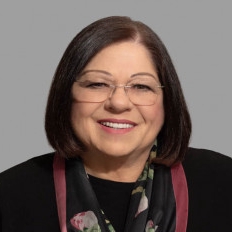
Rosemary Coates
Executive Director of the Reshoring Institute and President/Founder of Blue Silk Consulting, a global supply chain consultancy.
2
APPEARANCES
2
PODCASTS
Aug 27, 2026

speaker_0HOST
As a consultant, how do you advise clients in such volatility?

Rosemary CoatesGUEST
The first thing that we do, w- we don't just look at manufacturing in the US.
Rosemary CoatesGUEST
But the first thing we do is to look at the bill of materials in manufacturing.
Rosemary CoatesGUEST
Each, when you're manufacturing a product, you have a whole list of things that go into that product.
Rosemary CoatesGUEST
And if more than 50% of the mil- materials in is labor, so at the, more than 50% of the cost of manufacturing is labor and the other 50% is raw materials, for example, then you have to look for a low-cost environment.
6 MINS LATER
speaker_0HOST
So what are the most common ways outsourcing relationships break down that you see? Wh- when, where do you see the sort of the risks getting, getting worse in, you know, the curr- current [laughs] difficult environment?

Rosemary CoatesGUEST
I'm glad you asked that question because a lot of companies miss half of what they should be doing.
Rosemary CoatesGUEST
On the one hand, people get excited, you know, we're going to build a new factory in Pittsburgh or something like that.
Rosemary CoatesGUEST
And planning for that factory, planning for the equipment that's going to be needed, planning for redeveloping supply base.
Rosemary CoatesGUEST
But they forget there's the whole other part, which is moving the production out of a foreign country.
Rosemary CoatesGUEST
China, I spent lots and lots of time in China helping set up factories there.
Rosemary CoatesGUEST
And I can tell you, trying to get out of a factory environment in China is no easy task.

Eric SagonowskyCORRESPONDENT
One thing I've always been trying to tease out, and I'm sure that the audience is curious about as well, is how much of these trends were playing out before the Trump administration and the tariffs? And how much have the tariff threats contributed to companies wanting to set up base here in the United States?