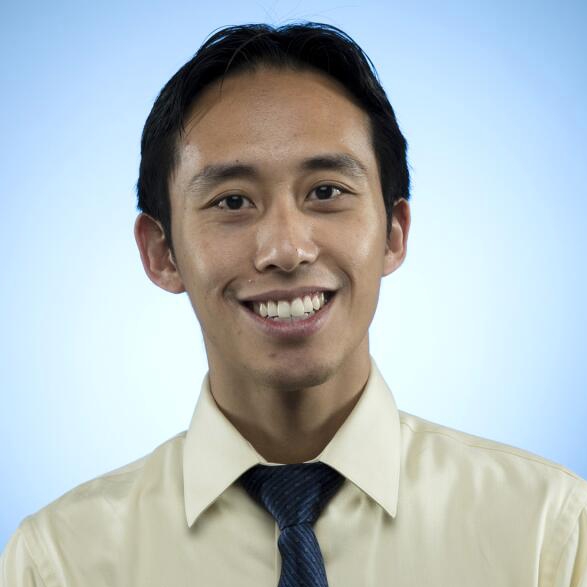
Rong-Gong Lin II
Metro reporter at the Los Angeles Times covering earthquake safety, extreme weather, and natural disasters.
2
APPEARANCES
2
PODCASTS
Nov 5, 2026


Beth RuyakHOST
Give me that comparison of how scientists are looking at this, how people on the ground are looking at this, and how state leaders or local community leaders might be looking at

Rong-Gong Lin IIGUEST
One of the things that strikes me is that when we hear about how people are reacting in terms of those living on the coasts, you know, they're thinking, you know, we just got to reinforce the seawall or, you know, if we can just get more sand on the beach, you know, that can help.
Rong-Gong Lin IIGUEST
It's a very different kind of situation when you talk to, you know, scientists who have studied this for a long time.
Rong-Gong Lin IIGUEST
I mean, if you go to this city just south of San Francisco, this town of Pacifica, I didn't know this.
10 MINS LATER
Beth RuyakHOST
So as you were talking about sea level rising and the shift in the beaches, I'm also thinking about the way the land must have moved because of earthquakes and the movement along the fault lines.


Miranda GreenHOST
Have you talked to any locals about their thoughts on this? How are people kind of approaching this in their minds?
Rong-Gong Lin IIGUEST
So one thing that we know is that we should learn from the lessons, like from Montecito, right? I mean, one of the things that our colleagues at the LA Times reported on during the Montecito fires was there were a couple of reasons why the death toll was so deadly in 2018.
Rong-Gong Lin IIGUEST
One was there are these catch basins in the Santa Barbara area that are supposed to catch debris.
Rong-Gong Lin IIGUEST
And so I think one of the things that I think local emergency managers across the state have hopefully learned is that it's super important that efforts be done to make sure that engineering system designed to hold mud and water and flush that out so it doesn't overwhelm cities, that that gets resolved.
Rong-Gong Lin IIGUEST
The second thing I think is one of the problems that Californians face is this idea of disaster fatigue, right? Not only did we see it in Montecito, where there had been numerous evacuation orders prior to the devastating one, and there was a kind of a sense of fatigue, like, oh, do we really need to evacuate? And I think that was a factor in why a number of people didn't evacuate.
Rong-Gong Lin IIGUEST
When you know the weather conditions are going to be in place that are going to put us all at risk for either a major wildfire or any kind of natural disaster, there are things you can do to get infrastructure and first responders in place so that you can act quickly when disaster does strike.
Miranda GreenHOST
How much can actually be done to get ready for this? Are there solutions that could be done right now in the next couple of months? Or is that an unrealistic thing to expect?