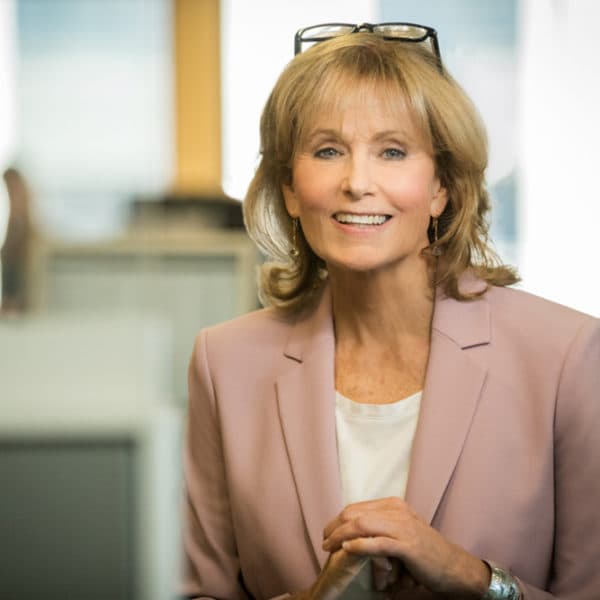
Robin Young
American TV personality
4
APPEARANCES
4
PODCASTS
Jun 26, 2026


Robin YoungGUEST
We spend a lot of the money that we make on having a staff and paying for really cool tools and traveling.
Robin YoungGUEST
Um, and sometimes there's feast and sometimes there's famine, you know, our sales cycle is really cyclical.
30 MINS LATER

Robin YoungGUEST
We spend a lot of the money that we make on having a staff and paying for really cool tools and traveling.
Robin YoungGUEST
Um, and sometimes there's feast and sometimes there's famine, you know, our sales cycle is really cyclical.
30 MINS LATER


Robin YoungGUEST
[laughs] But I do think that they realized that if we don't do a better job of taking care of our leaders, it's gonna be detrimental for us, because, one, we don't have a lot of people jumping jobs anymore like we used to or, or we have people that are jumping jobs when we're not able to meet their individual needs, and so we're constantly refilling positions, um, and paying all of this money to orient and onboard, and then they may only give you a year.
Robin YoungGUEST
We did feel that that investment was very important for our leaders because we did see that if we don't support them, then who else is gonna support them? If we didn't feel that this was the best initiative for our money spent, then what else are we spending on that's gonna give us more bang for our buck? And then, you know, I think the feedback from...
Robin YoungGUEST
Because we, we s- we surveyed our staff prior to, our leaders prior to starting and then after.
Robin YoungGUEST
Like, what were some of their perspectives? What were they expecting from it? And then we did it afterward.
Robin YoungGUEST
And I was blown away from a lot of the comments from the leaders just as we really didn't recognize that we weren't taking as well, um, we weren't taking care of ourselves as well as we thought we were until it was truly highlighted and we started talking about it, and talking through some of our challenges.
Robin YoungGUEST
And, you know, it's still, even though they've completed that portion of the program, it hasn't stopped.
9 MINS LATER
Andrea SchmidtHOST
But from an institutional standpoint, why is enforcing, you know, rest, shift limits, et cetera, you know, a matter of patient safety really versus just the employee preference? If that makes sense.

speaker_4ADVERTISER
Mean to me.
Robin YoungGUEST
His nineteen seventy-nine film, Return of the Secaucus 7, is the story of a reunion of sixties anti-war activists hanging out, playing their old songs, and realizing the gulf between the progressives and the blue collar townies.
Robin YoungGUEST
Baby It's You, The Brother from Another Planet, then Matewan, the fictional telling of the real life bloody confrontation in Matewan, West Virginia, between coal miners and cruel company owners who hired Black and Italian workers as scabs.
Robin YoungGUEST
Chris Cooper plays a union organizer trying to convince the white workers that a Black coal miner they're holding at gunpoint isn't their enemy.
Chris CooperSOUNDBITE_SPEAKER
They don't.