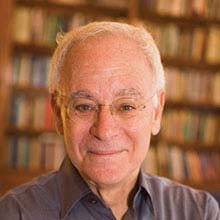
Robert Post
American legal scholar and former dean of Yale Law School
2
APPEARANCES
2
PODCASTS
Sep 29, 2026


Robert PostGUEST
We are subject to the judgment of people like us who are reading the things that we're reading.
Robert PostGUEST
What the public sphere made possible is the control of the state, which had become very powerful by the end of the 18th century, by politics.
Robert PostGUEST
What we mean by politics is the contention of various parties to control and to influence public opinion.
Robert PostGUEST
And so what we now call a democracy, government by public opinion, is really made possible by the invention of printing, which leads to the public sphere, which leads to public opinion.


Steve HermanHOST
But what happened? What changed? And how much of that is still with us today as a result of that? Well, you know,
Robert PostGUEST
we speak about the rights, criminal due process rights, the criminal rights of the Sixth Amendment rights and Fifth Amendment rights and Fourth Amendment rights.
Robert PostGUEST
We didn't really have much development of these criminal defense rights because the federal government really did very little criminal prosecutions before prohibition.
Robert PostGUEST
Suddenly there are mass prosecutions and these bootleggers have a lot of money.
Robert PostGUEST
So almost all the major frameworks of Fifth Amendment rights and Fourth Amendment rights, search rights, come out of prohibition.
Bill BernadoneHOST
the Taft Court's handling of prohibition, and this is a topic that has been kind of a topic that has been across the first handful of episodes that we have had, fit into the broader expansion of federal administration during this period?