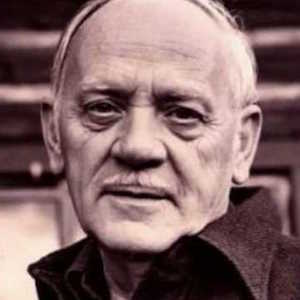
Robert Monroe
American radio broadcaster and executive
3
APPEARANCES
3
PODCASTS
Oct 30, 2026


Art BellHOST
Mr. Monroe, if you would please take us all back and tell us how this began for you.

Robert MonroeGUEST
Well, it's an odd thing because it was unexpected, is the better way to put it.
Robert MonroeGUEST
Back in 1956, my company was looking for some diversity type of things to do, so we got the idea that perhaps we could in turn help people learn during sleep.
Robert MonroeGUEST
So being a specialist in sound, because of all of our company history, we in turn obviously began to use sound.
Robert MonroeGUEST
First thing we found out in order to help people get to sleep, we've got to get them to sleep.
Robert MonroeGUEST
So what we did was develop some particular sound waveforms that help people go easily into sleep.
1 HR 2 MINS LATER


Neil ThompsonHOST
So first question, Robert, what was the original motivation behind creating Cast and Steel? And what problem were you trying to solve in how people see manufacturing and engineering?
Robert MonroeGUEST
Yeah, let me borrow a story from, actually, it's my father who actually started the competition.
Robert MonroeGUEST
And what he was seeing, he has been in the metal casting industry his entire life.
Robert MonroeGUEST
And what he noticed is as time has gone on, and I'm sure many in your audience are aware, the United States, the main difficulty I think facing us is communicating the importance of manufacturing products.

Robert MonroeGUEST
And, uh, I went, uh, to my favorite doctors and so on, and they said, "Oh, no, you're fine.
Robert MonroeGUEST
Don't worry." And, uh, so I finally had the courage to wait to see what this-- instead of forcing myself out of this vibration, I, uh, finally said, "Well, if it's gonna kill me, I'll let it kill me, and I'll have to try it." So I stayed with it, and after about five minutes, it faded out.
Robert MonroeGUEST
And, um, so therefore, I, I tolerated it when it went from, uh-- And it didn't happen every night, maybe.Oh, once or twice a week or something like that.
Robert MonroeGUEST
So I had, I would wait till it completed, and then after it was through, uh, or faded out, well, then I'd go to sleep.