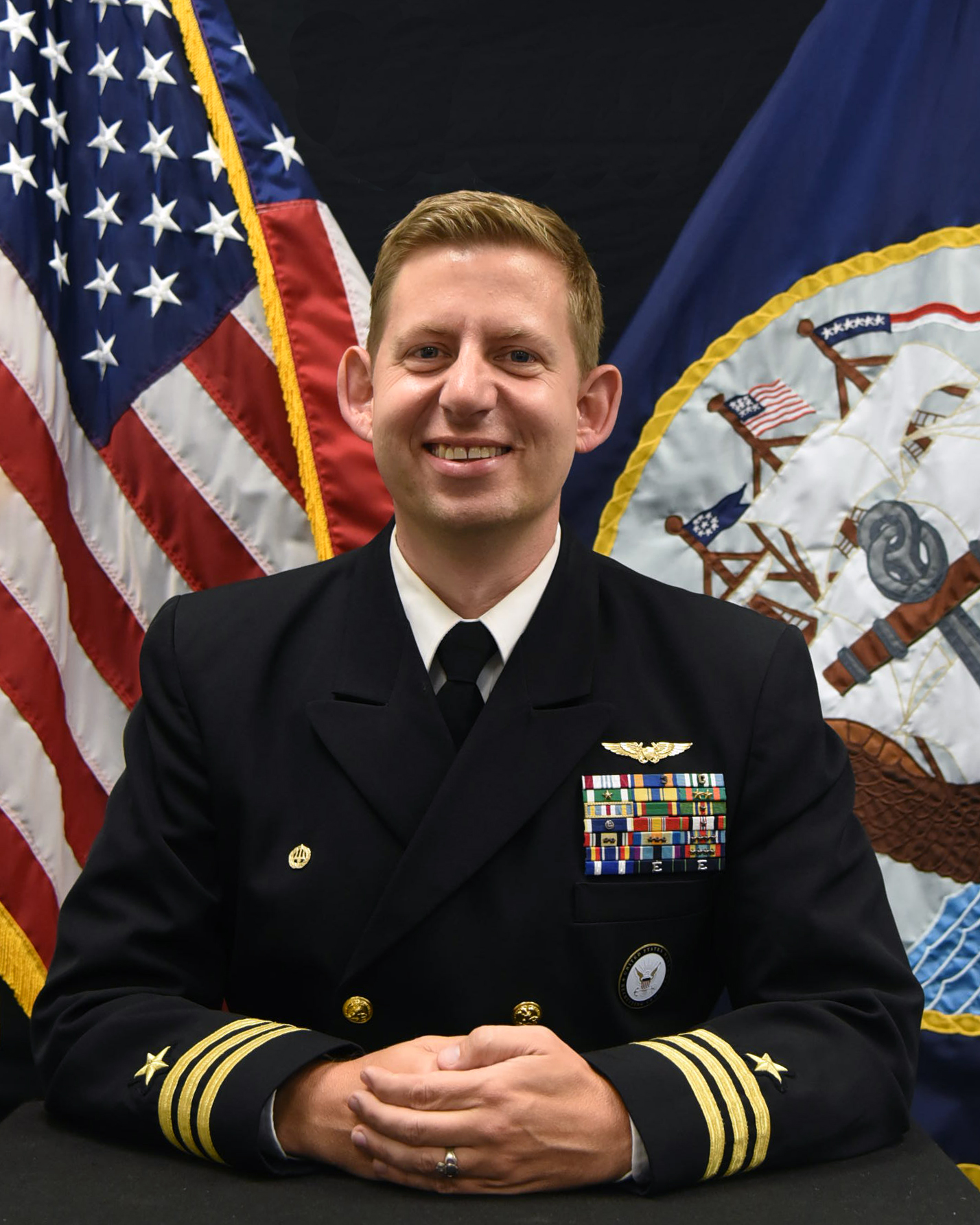
Robert Ballard
American retired navy officer
7
APPEARANCES
7
PODCASTS
Nov 3, 2026


Robert BallardGUEST
When I was doing my thesis, I had half my committee believed in plate tectonics and the other half did not.
Robert BallardGUEST
They said, well, you know, I can understand that when two plates come together and crash into one another, like you have off of India crashing into China.
Robert BallardGUEST
But how do you make a mountain when you pull plates apart? And one of my colleagues, my co-scientist on the expedition was a geophysicist.
Robert BallardGUEST
When the lava first comes out and forms the new lithosphere, the new crust, it's swollen with heat energy.
11 MINS LATER

Robert BallardGUEST
When I was doing my thesis, I had half my committee believed in plate tectonics and the other half did not.
Robert BallardGUEST
They said, well, I can understand when two plates come together and crash into one another like you have off of India crashing into China.
Robert BallardGUEST
But how do you make a mountain when you pull plates apart? And my co-scientist on the expedition was a geophysicist.
Robert BallardGUEST
When the lava first comes out and forms the new lithosphere, the new crust, it's swollen with heat energy.
9 MINS LATER

Thom LinleyHOST
How does it manifest for you? What are your sort of major strengths and weaknesses?
Robert BallardGUEST
Well, in the first place, I didn't know I was dyslexic until I was in my 60s when my daughter was diagnosed with it.
Robert BallardGUEST
You know, dyslexic brains are physically different than non-dyslexic brains.
8 MINS LATER
speaker_5ADVERTISER
Each of those


Bob BallardGUEST
I still had never met this guy, but I put a comment on there, "My dad was named Ed Ballard, and he helped plan the Appalachian Trail in the beginning." It, that was it.
6 MINS LATER


speaker_2UNKNOWN
Thank you
Robert BallardGUEST
They're separating, and like a, a living organism, if you tear open, it bleeds its molten blood, rises up to heal that wound from the asthenosphere, hardens, forms new tissue, and, and moves laterally.
Robert BallardGUEST
But no one had actually gone down into the actual site of boundary of creation, as we called it, into the Rift Valley, till a group of seven of us crawled in our little submarines in the summer of 1973, 1974, and were the first human beings to enter the great Rift Valley.
Robert BallardGUEST
It's absolutely pitch black because photons cannot reach the average depth of the ocean, which is twelve thousand feet.
speaker_8UNKNOWN
Get started at vanta.com.


Caroline SteelHOST
To get a picture of what was happening below the surface, Bob and his crew dragged a camera underneath their boat while also looking for any changes in temperature.

Bob BallardGUEST
It was just, what the heck is this? Because the deep sea is in total darkness, and we were taught there was very little life in the deep sea.
Bob BallardGUEST
And then we literally called a submarine that night, "Dive on this location," and they went down and came into this oasis of life.

Jason FraleyHOST
So you get what you were a double major in chemistry and geology, right at University of California, Santa Barbara.
Robert BallardGUEST
It's like people that study outer space being spaceologists and people on land, landologists.
8 MINS LATER