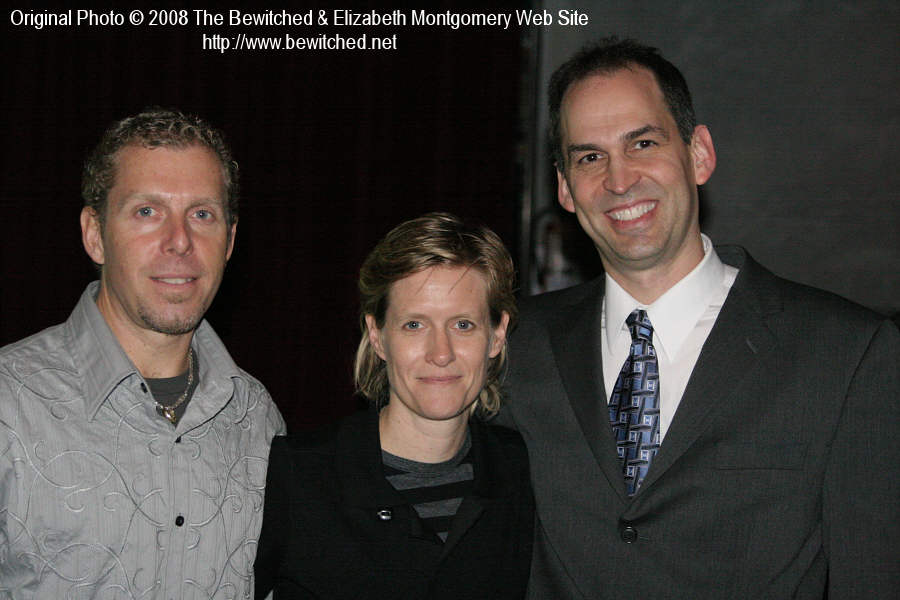
Robert Asher
Executive producer ‧ Elizabeth Montgomery's son
1
APPEARANCES
1
PODCASTS
Jul 31, 2026

37:23
So to help David out, we reached out to Dr. Robert Asher, associate professor and curator at the Cambridge University Museum of Zoology.

Robert AsherGUEST
I mean, throughout many, many different species you can generally recognize a juvenile based precisely on those proportions.
Robert AsherGUEST
And some of that has to do with the fact that if you want your eyeballs to work when you're born and no one's taking care of you, as is the case for many, many vertebrates, um, you have to...
Robert AsherGUEST
So then whereas with the rest of the body you can keep growing your, your forearm, and you can still use your arm, you know.