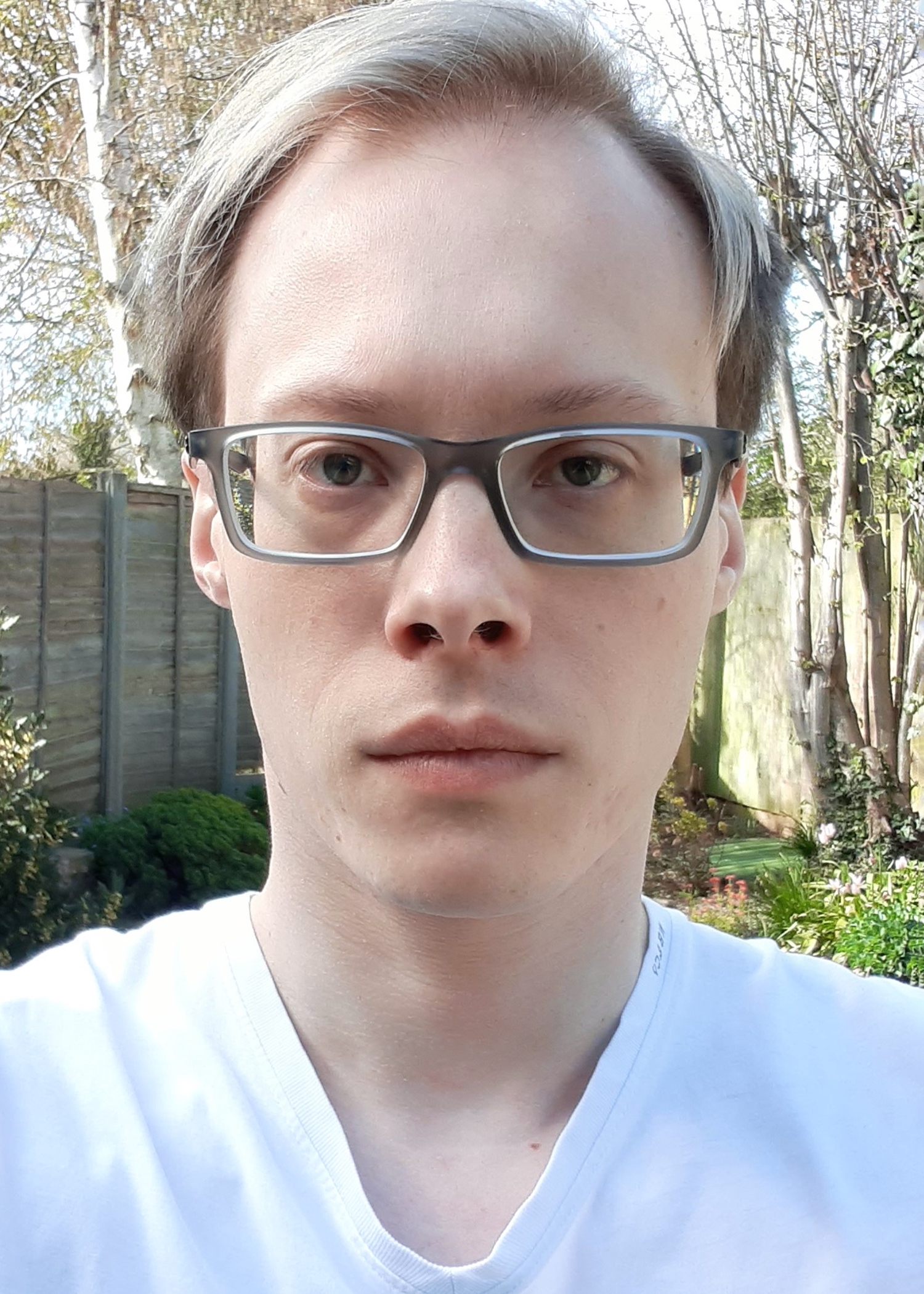
Rob Amos
President of the Alpine Garden Society; Senior Lecturer in Law at Birkbeck, University of London; biodiversity and conservation law expert; mural artist and sign writer.
3
APPEARANCES
3
PODCASTS
Jul 31, 2026


Rob AmosGUEST
And, and then our smallest shi- shire, which is not on, uh, how large the shire is, would be West Wimmera, I think, out in the west.

Chris EddyHOST
Do you feel like you get heard on these issues from a, from a rural perspective? Do, do you have the ear of the decision-makers, or is that an ongoing battle?

Rob AmosGUEST
really to the future of the society, you know, making sure we're here for the next 100 years.
Rob AmosGUEST
And in terms of sort of short term approaches we've taken, just this last week, we've launched a new garden visit scheme, which is designed to help AGS members show off their gardens to the public, but through small private visits, rather than sort of the larger NGS type open days to create those opportunities for people to meet our members and to talk to them because as you say that's how people really learn it's talking to people with this prior experience and also when it comes to written information thinking about well how do we present that information so next year something we're going to launch is something called let's grow which is where we're going to invite our expert growers to write down their sort of tips and tricks for growing particular plants, whether it's in the greenhouse or in the garden.
Rob AmosGUEST
And we'll present this through our social media, through our website, rather than in a sort of textbook format, because that's how certainly the younger generations want to access information.
Rob AmosGUEST
And that's sort of another sort of shift we're trying to affect in the society, which for some members is quite, not quite, challenging isn't quite the right word, but it's quite confronting because it's new to them.
Rob AmosGUEST
So in the board just recently, we've had a proposal for a new, to fund a new monograph from one of our quite elderly members, a world renowned expert in the genus that was the topic of the monograph.

Rob PriceHOST
So have you looked at how to hook into that emergent enthusiasm to then connect to maybe kind of more traditional kind of thoughts and ways in terms of how do we meld the two, I suppose, is the question.

Rick MinterHOST
Rob is next to you, and we've heard Rob's report on the film, so if we can have your quick reflections, Rob, on what you've just heard, doing this event here as a local person who, who's seen one, who's interested.
Rob AmosGUEST
Yeah, I mean, I think it's fascinating to listen to everybody's different accounts of seeing them.
Rob AmosGUEST
It's very clear that we've got a lot of experience in the room, a lot of people that are, uh, are used to being in a country setting, are used to going out looking at wildlife, 'cause it doesn't always present itself to you particularly well.
Rob AmosGUEST
Also, if you're used to watching wildlife, if you go specifically looking for a target species, you very rarely see it.
Rob AmosGUEST
So just hearing all these different accounts of people, they haven't gone looking for it, that's kinda makes me feel a bit relieved in a way because these animals, they are out there.
Rob AmosGUEST
In my opinion, they've already been failed by man once by being released, perhaps in the '70s, et cetera.
25 MINS LATER