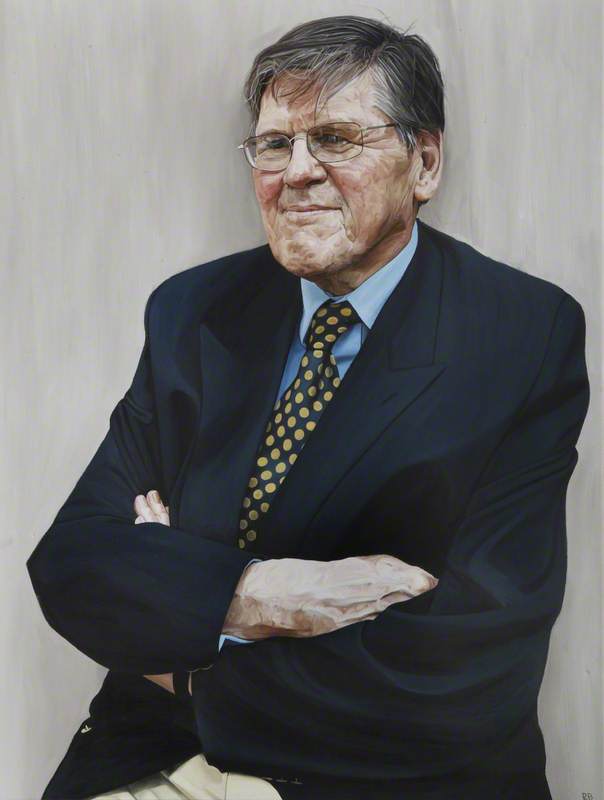
Richard Brazier
2
APPEARANCES
1
PODCASTS
Oct 7, 2026

Ellen WilesHOST
Professor Richard Bradier has been working on and around reservoirs as an environmental scientist for decades now, but still finds them endlessly fascinating.

Richard BrazierGUEST
We know, especially as we experience more droughts, the water storage capacity of reservoirs is really critical.
Richard BrazierGUEST
So if you're trying to understand how your land management is affecting the surface water body, there's no better place than a reservoir to work.
7 MINS LATER
Ellen WilesHOST
And so I asked Richard about how he came to found CRU and how peatland restoration came to play such a key role in the story.
Richard BrazierGUEST
The emphasis of that work was... peatland restoration, how could we re-wet blanket bogs on, begin with Exmoor but also Dartmoor and subsequently Bodmin Moor, in order to help those landscapes store more water.
Richard BrazierGUEST
The water company were interested in that because of course it costs a lot of money to treat carbon, soil, all manner of different pollutants out of water before we're able to drink it.
Richard BrazierGUEST
It was also partly all the desert-based work which had started 10 years before where I could see these heavily desertified landscapes and I thought, gosh, if we don't do something to mitigate the sort of problems we're causing in the UK, we're going to have these landscapes which basically aren't farmable.