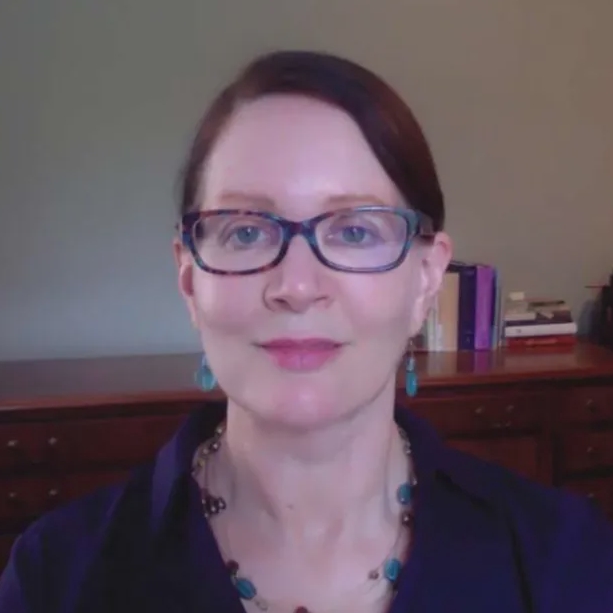
Rebecca Messbarger
Professor of Italian at Washington University in St. Louis; Director of Medical Humanities; expert in Italian Enlightenment history, medicine, and anatomy.
1
APPEARANCES
1
PODCASTS
Jul 14, 2026


Salma AbdallaHOST
Can you walk us through that example and why that example stuck with you and you thought it was important to bring to the conversation?

Rebecca MessbargerGUEST
So I began with a radical moment in Italian cultural history when the old order has to cede authority to a new order, the Enlightenment age.
Rebecca MessbargerGUEST
And I begin with a really harrowing story of a 23-year-old illiterate maidservant who is executed in the main piazza of Bologna for infanticide.
17 MINS LATER
Salma AbdallaHOST
And I know I'm trying to create something more practical from a more abstract conversation, but like, do we teach to our students for them to take history always as a context or a way of thinking about like, what do I think about a problem? Or if I'm working with a researcher in like a different context, like how do we use the humanities to improve our public health interventions?