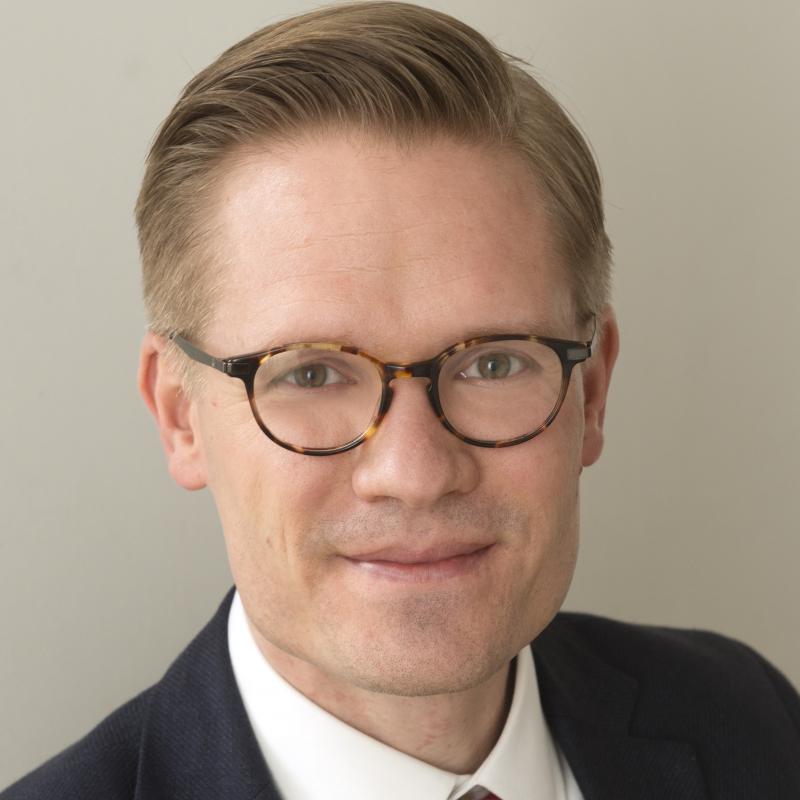
Rasmus Kleis Nielsen
Political scientist
1
APPEARANCES
1
PODCASTS
Jul 20, 2026


Rasmus Kleis NielsenGUEST
Yeah, I mean, on the question of change, first, the last time we faced, we fielded these questions was back in 2020.
Rasmus Kleis NielsenGUEST
And in the intervening period, I think there is a clear intensification of, in particular, social media discourse, but also some forms of news media discourse in many societies, and also greater partisan rancor in at least some of the countries that we cover in the report.
Rasmus Kleis NielsenGUEST
So we feel that these questions in part because we were interested to see if there had been any large-scale change in general public sentiment on this issue.
Rasmus Kleis NielsenGUEST
But actually, I think the most important takeaway when comparing the data from 2020 with the most recent data from 2026 is that there hasn't actually been all that much change in the top line.
Rasmus Kleis NielsenGUEST
There has been a slight decrease in the number of people who say they prefer getting news from sources that don't have a particular point of view, but it's really only a few percentage points.
Rasmus Kleis NielsenGUEST
And the overall picture is still very clear that it's many, many more respondents than opt for any of the other options.

Mitali MukherjeeHOST
What sort of variation did we find across countries in this attitude and did it sort of fold in with other preferences that we have found around news consumption?