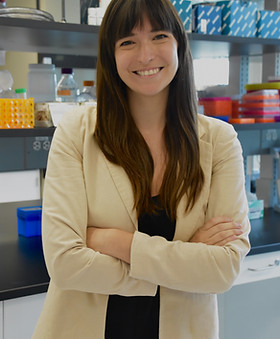
Raquel E Fleskes
Researcher
1
APPEARANCES
1
PODCASTS
Jun 30, 2026


Raquel FleskesGUEST
And so, you know, whether we know it or not, we're likely, you know, in contact with the dead at, at a lot of the times.
Raquel FleskesGUEST
But also, you know, community engagement is something I feel really strongly about because of the context through which I work.
Raquel FleskesGUEST
And so because of churches, these undiscovered sites that are in the colonial period, we have to think very critically about who is doing the work, and who has a stake in doing the work, and who needs to be consulted in doing this work.
Raquel FleskesGUEST
So when we're talking about histories of the colonial period, we have histories of European individuals.
Raquel FleskesGUEST
Uh, we also have histories of Indigenous individuals and of African and African-descended individuals, and those folks were brought here through the processes of colonialism, whether that is free, forced, or, or coerced.