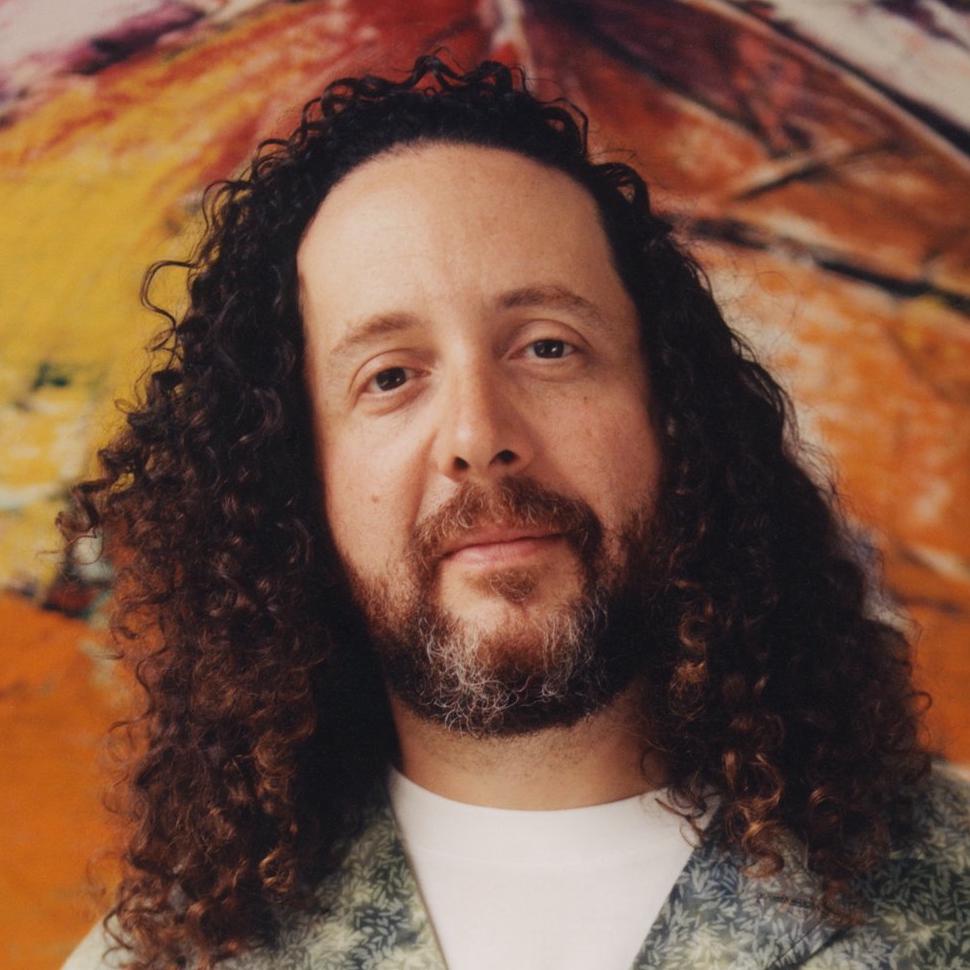
Rafael Schacter
Associate Professor in Anthropology and Material Culture at University College London, researching graffiti, street art and public art; author of Monumental Graffiti (MIT Press, 2024).
1
APPEARANCES
1
PODCASTS
Sep 1, 2026


Rafael SchacterGUEST
Banksy is a very particular issue in that if Banksy produces a work on your home, Your life has changed, for better or for worse.
Rafael SchacterGUEST
People have found it extremely stressful to have their home become a tourist site, to have their home totally change in value because of the production of his work.
Rafael SchacterGUEST
I think, though, within graffiti in general, private homes are not something that are commonly written upon.

David EdmondsHOST
And do you now have a position of trust in the community, as it were, so that if you want to go out and talk to new people, you can speak to some of your contacts and they say, oh, Raphael, he's okay?