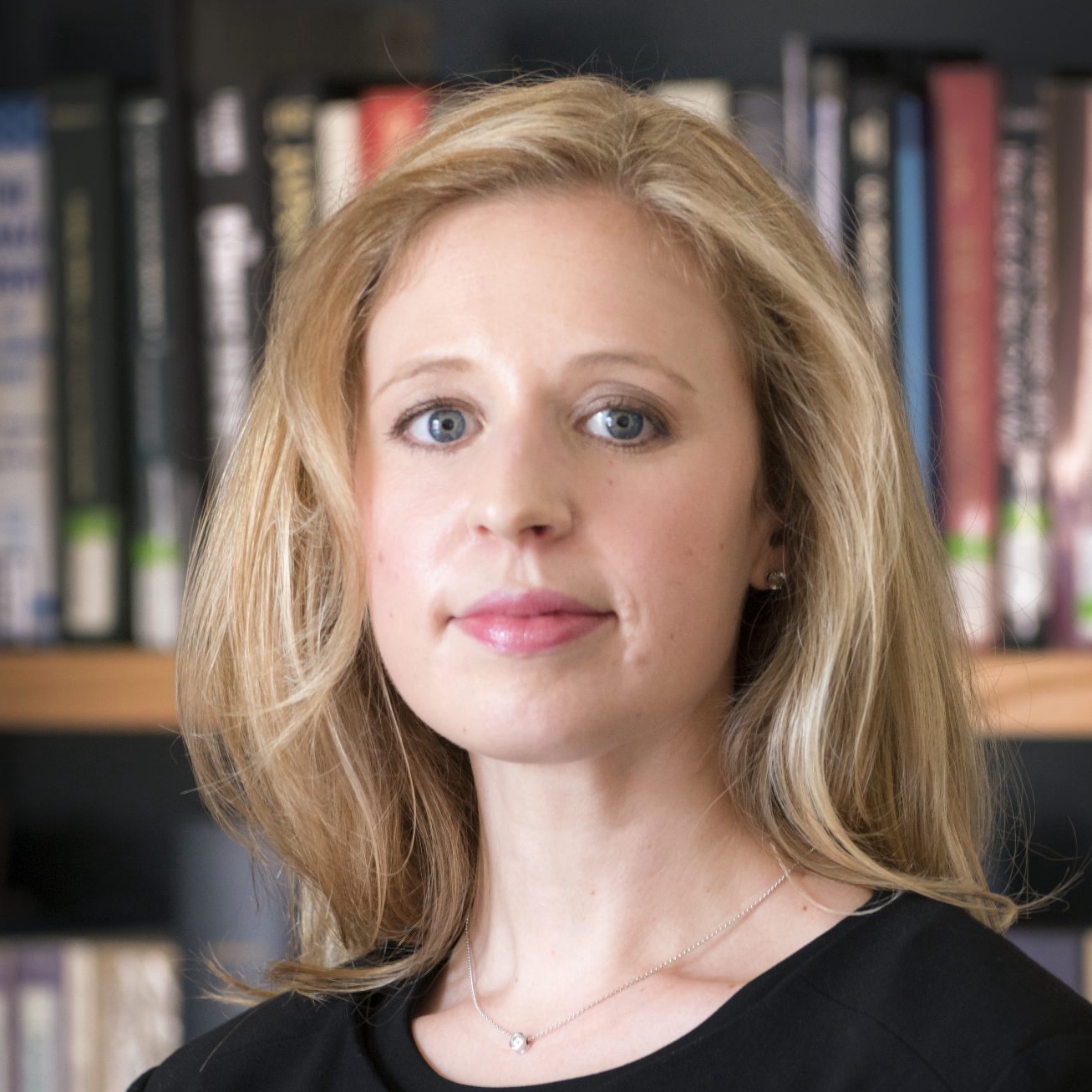
Rachel Whitlark
Associate Professor in the Sam Nunn School of International Affairs at Georgia Tech and Atlantic Council nonresident senior fellow, specializing in nuclear proliferation and foreign-policy decision-making.
2
APPEARANCES
2
PODCASTS
Sep 16, 2026


Larry RubinHOST
To interpret Austin in that way of what he meant by those comments, or even if you wanna just kind of take that and go with what, uh, he talked about when it goes to your thoughts on the second nuclear century.

Rachel WhitlarkGUEST
So, so first of all, let me, um, echo Austin and, and say it's a, it's a delight to be here with y'all today.
Rachel WhitlarkGUEST
Um, and, uh, uh, really excited about the launch of the forthcoming second issue.
Rachel WhitlarkGUEST
Really excited that that's gonna make its way into the universe very, very soon.
Rachel WhitlarkGUEST
Um, Larry, since you've given me the choice, I think I'll, I'll sort of take w- my remarks in, in sort of two different directions and speak generally about how I'm thinking about the second nuclear age, and then also say what it means for how I've been thinking about and appreciating Austin's piece.
Rachel WhitlarkGUEST
Um, so first, in terms of the second nuclear century, I mean, I think, I think the first thing to recognize is that there's a ton of nuance here, and it's not that the second nuclear age is totally different from the first one or that it is a carbon copy.
8 MINS LATER
Nick GvosdevHOST
So what's your sense of, uh, of really someone saying, "Is the Cold War relevant, not relevant? Where is it relevant? Where is it not relevant?" And how does that feed into this whole concept of, uh, from the Cold War, again, of strategic stability, of managing these crises in a way that, you know, doesn't get you up Kahn's ladder of escalation until finally you're at rung 44, push the buttons, and we'll all go home?


Rose ScottHOST
And we should note that the United States pulled out of that agreement in what, 2018, I believe? Yeah.
Rachel WhitlarkGUEST
Critical event, um, in the first Trump administration where following the work that the Obama administration had done to secure the Iranian cooperation, um, which we should note required a variety of domestic and international sanctions, a ton of economic pressure to sort of coerce the Iranians to the negotiation table.
Rachel WhitlarkGUEST
Um, the President Trump had campaigned on ripping up that deal, um, and then made good on it in 2018.
Rachel WhitlarkGUEST
Um, and subsequent to the US withdrawal, over time the Iranians began ratcheting up their, uh, nuclear enrichment, which is one of the ways using uranium you can uh, uh, uh, build, um [smacks lips] material for either a civilian or a military program, nuclear program.
Rachel WhitlarkGUEST
Um, so facts on the ground changed between the Obama administration's negotiation of that deal and the, um, uh, Trump administration's withdrawal, and of course, the regional context has changed quite dramatically even closer to the present.
12 MINS LATER