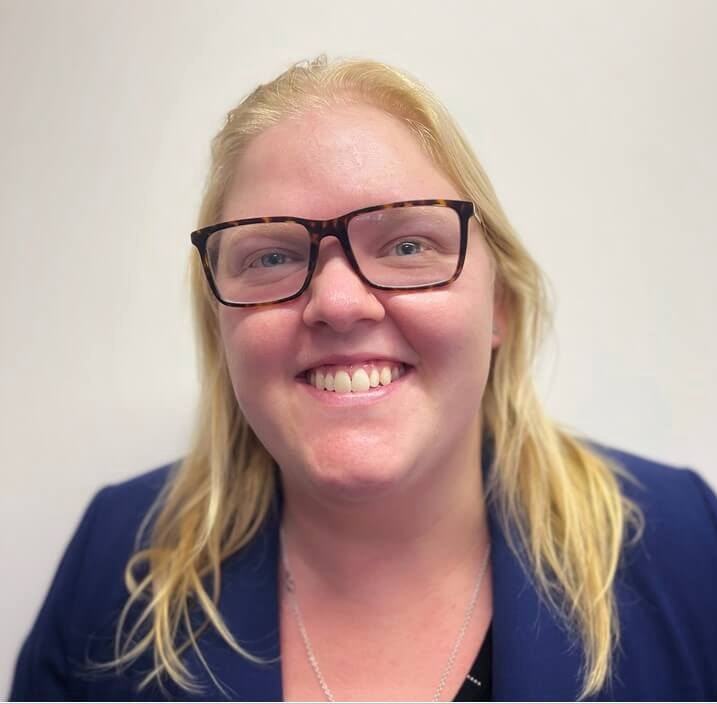
Rachel Fellner
Health Policy Researcher at OECD specializing in digital health standards and AI in healthcare
1
APPEARANCES
1
PODCASTS
Jun 22, 2026


Peter BirchHOST
Do you see a role that these kind of like interoperability plays in much more than just the technical bits and pieces? Like how important is that role at that economic and system productivity lens?

Rachel FellnerGUEST
Our report found that 2.7 to 6.64% of annual health expenditure is the opportunity of interoperability.
Rachel FellnerGUEST
We've always had a challenge of really identifying what is the economic promise of interoperability because it is integrated in so many different parts of the health system or health system spending.
Rachel FellnerGUEST
And I think I agree with this commission and what they're saying, because what we really want to drive forward is shifting the message and the thinking around interoperability and quality health data from a cost center to an economic driver.
Rachel FellnerGUEST
Economies around the world are in a stage of looking for efficiencies, improving productivity.
Peter BirchHOST
What's your perspective on what's changed in the interoperability landscape in those past four years?