Photosynthesis
18
MENTIONS
13
EPISODES
11
PODCASTS
Search complete. 18 mentions across 13 episodes found for "Photosynthesis".
Sep 22, 2026
SammyHOST
These processes are also the opposite in terms of inputs and outputs.
SammyHOST
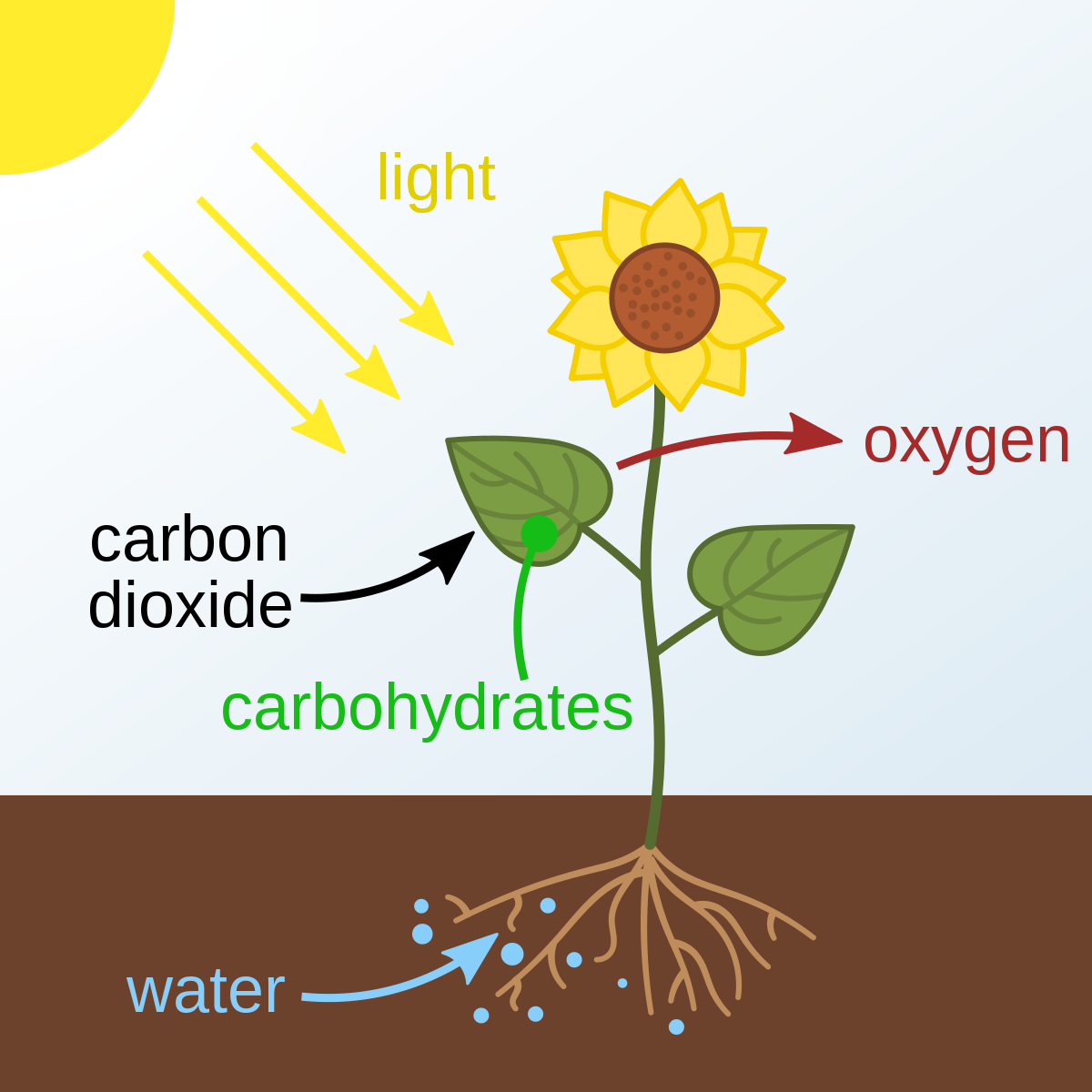
Photosynthesis uses energy to convert CO2 and water into sugar and oxygen.
SammyHOST
And then cellular respiration converts sugar and oxygen into CO2 and water, plus energy.
SammyHOST
Life is wildly symmetrical sometimes.
SammyHOST
through living things, from photons of sunlight into physical movement.
SammyHOST
But let's get microscopic.
SammyHOST
Photosynthesis happens inside cells.
SammyHOST
Even more specifically, it happens inside little structures called organelles within those cells.

Ewan CampbellHOST
And the oxidized organic matter comes up as CO2 and it goes in through the leaf.
Ewan CampbellHOST
That's called photosynthesis.
Ewan CampbellHOST
Photosynthesis
Stephen BruntonHOST
and the swapping of CO2 for oxygen.
Ewan CampbellHOST
Don't think I should be rather cynical about that.

speaker_2NARRATOR
That kind of wisdom in nature is deeply calming to contemplate.
speaker_2NARRATOR
Photosynthesis is the quiet, continuous miracle that creates the air we breathe.
speaker_2NARRATOR
Every day, across the entire planet, plants convert sunlight, air and water into food and oxygen.
speaker_2NARRATOR
This process, photosynthesis, is happening right now in forests, gardens, fields and oceans.
speaker_2NARRATOR
Every other breath you take comes from the sea.
speaker_2NARRATOR
The air we breathe is a gift continuously renewed.
speaker_2NARRATOR
Photosynthesis also heals the atmosphere by absorbing carbon dioxide.
speaker_2NARRATOR
Plants hold this carbon in their tissues, and forests act as enormous carbon sinks.
speaker_2NARRATOR
You can rest knowing that the universe is carrying you forward.
speaker_2NARRATOR
Photosynthesis, the process by which plants convert sunlight into chemical energy, is one of the most important biochemical processes on Earth.
speaker_2NARRATOR
It requires only sunlight, water, carbon dioxide, and a few other elements to create sugar and oxygen.
speaker_2NARRATOR
This simple process, performed by plants and countless microscopic organisms, is the foundation of almost all life on Earth.

speaker_0NARRATOR
Strapped to his chest in a baby carrier sat his little brother, maybe six, holding flashcards in his tiny fists.
speaker_0NARRATOR
The kid blinked at the staring class and whispered, "Photosynthesis." Mr.
speaker_0NARRATOR
Howard crouched down, looked at the boy, then back at Doug.
speaker_0NARRATOR
"Getting your little brother to read the answers to you under a trench coat is a lot of effort to raise your grade.

Hank GreenHOST
Yes, that Calvin Cycle.
Hank GreenHOST
Photosynthesis is basically respiration in reverse, and we've already covered respiration, so maybe you should just go watch that video backwards.
Hank GreenHOST
or you could keep watching this one.
Hank GreenHOST
Either way, I've already talked about what photosynthesis needs in order to work water, carbon dioxide, and sunlight.

Walter CruttendenGUEST
And so I've really focused my work on a possible cause.
Walter CruttendenGUEST
cause which in a nutshell is the same thing that causes the change in consciousness during the day or causes changes in behavior during the year it's celestial driven you know so if the day we turn towards the light we all start waking up the world gets very busy lots of activity Photosynthesis, the whole plant world goes off.
Walter CruttendenGUEST
And, you know, we're conscious.
Walter CruttendenGUEST
We're in a waking state.

speaker_0NARRATOR
What was feeding all of this life? Every ecosystem known to science before 1977 was ultimately powered by the sun.
speaker_0NARRATOR
Photosynthesis, the conversion of sunlight into chemical energy by plants, algae and cyanobacteria was the foundation of every food web on earth.
speaker_0NARRATOR
herbivores ate the photosynthesizers, carnivores ate the herbivores, decomposers broke down the dead.
speaker_0NARRATOR
But at every level, the energy that drove the system came originally from sunlight hitting the surface of the planet.
speaker_0NARRATOR
The discovery of chemosynthetic ecosystems opened an alternative possibility that life might have originated not at the surface, not in the light, but in the deep ocean, at hydrothermal vents, where the chemical energy and mineral-rich fluids provided all the raw materials necessary for the assembly of complex organic molecules.
speaker_0NARRATOR
The deep-hot biosphere hypothesis Variations of which have been proposed by multiple researchers since the 1980s suggest that the first living organisms on Earth may have been chemosynthetic, not photosynthetic.
speaker_0NARRATOR
Photosynthesis, in this view, was a later evolutionary innovation.
speaker_0NARRATOR
an adaptation that allowed organisms to exploit a new energy source, sunlight, after life had already established itself in the chemical darkness of the deep ocean.

speaker_0NARRATOR
This cloud of dust and aerosols would rapidly engulf the stratosphere, plunging the Earth into a darkness so severe that global average temperatures would drop precipitously.
speaker_0NARRATOR
Photosynthesis, the basis of nearly all modern food webs, would cease entirely.
speaker_0NARRATOR
Within months, this darkness, combined with widespread famine and climatic failure, would guarantee the collapse of terrestrial and marine ecosystems, representing an insurmountable crisis for human civilization.
speaker_0NARRATOR
Let's face it, large celestial impacts are going to happen eventually.

John CampbellHOST
And this is sort of in that concern area.
John CampbellHOST
All food chains, of course, start with photosynthesis, which depends on light.
John CampbellHOST
Photosynthesis depends on sunlight.
John CampbellHOST
Now, I know you can get vertical farms where you can have artificial light, which can be very efficient.
John CampbellHOST
This
John CampbellHOST
I'm confused.
John CampbellHOST
I genuinely don't get it.
John CampbellHOST
Photosynthesis puts oxygen into the atmosphere as well, which of course we like.
3 more episodes mention Photosynthesis.
Create an account to see the whole feed, search across every transcript, and follow the entities you care about.