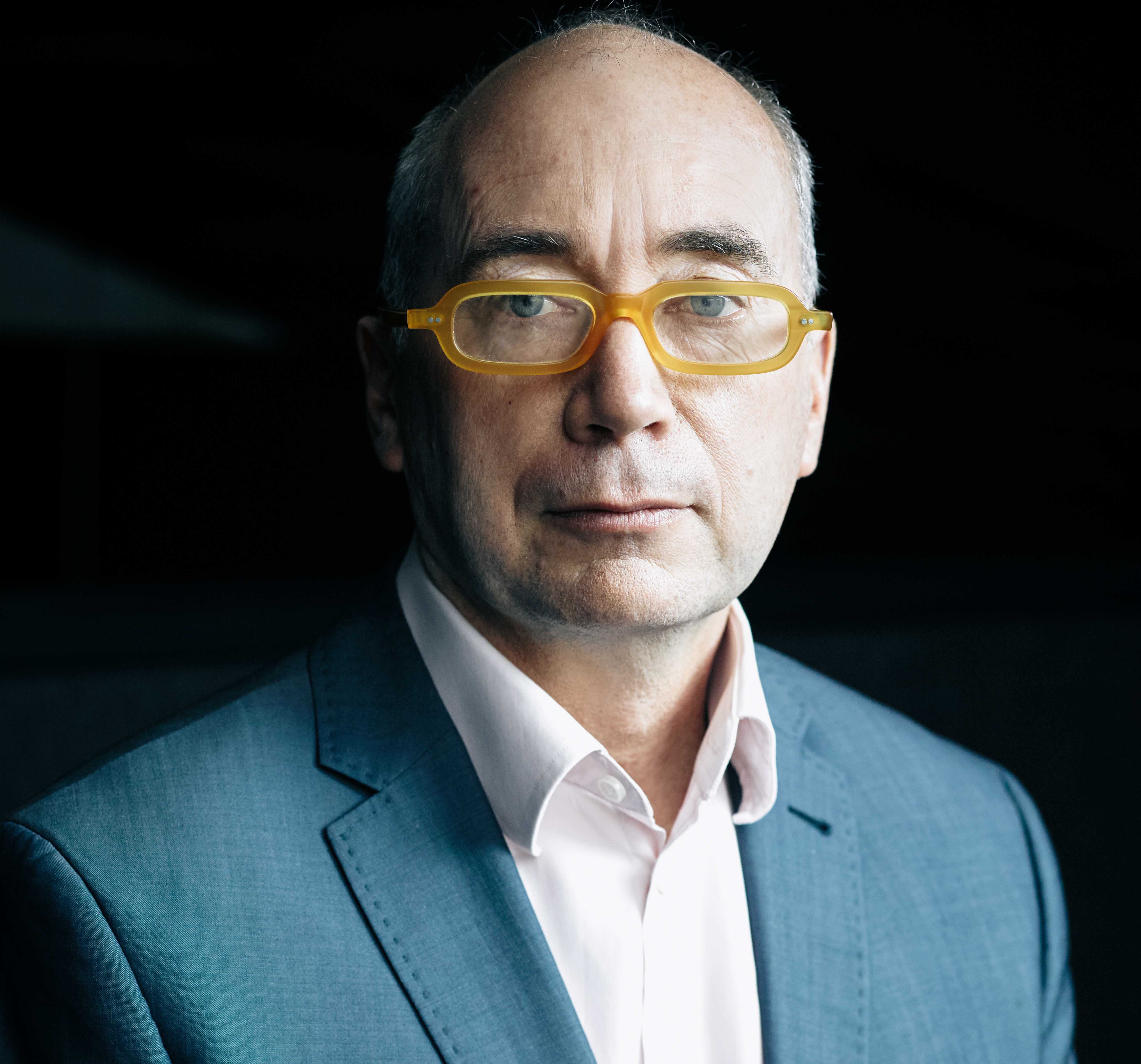
Philip Goad
Australian professor
1
APPEARANCES
1
PODCASTS
Oct 12, 2026

Grace GoodaCORRESPONDENT
Professor Philip Goad is the Chair of Architecture at the University of Melbourne.

Philip GoadGUEST
Well, today, you can actually walk across that lake, [laughs] uh, because in the late '50s, early '60s, they filled the lake in and paved it over, and it became what was known in, in my day as a student as the concrete lawn.
Grace GoodaCORRESPONDENT
This, combined with free university admission, meant universities increasingly became a place of action.
Philip GoadGUEST
Uh, when the Vietnam War was going on, the union building was actually a safe house.
Philip GoadGUEST
Many people, um, in the '60s and '70s, you would have rock bands in North Court of the union building, uh, and then the natural place to go to actually walk into the city to protest, uh, would've been across the concrete lawns and then down, uh, Masson Road to Swanston Street.