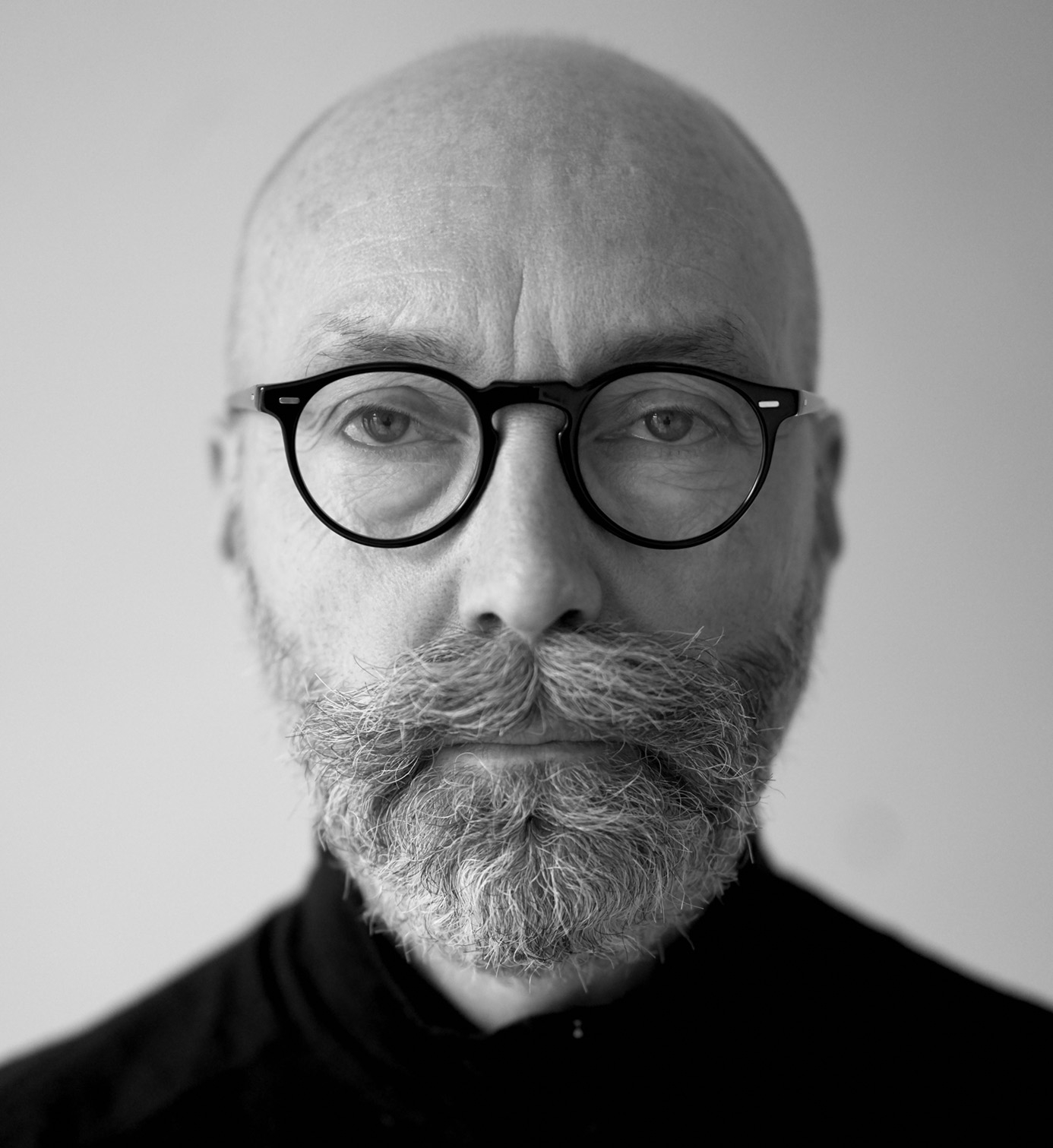
Peter Doyle
Dr Peter Doyle, Research Officer in Grassland Science at Teagasc Grange (Co. Meath), researching grass-based beef production systems.
4
APPEARANCES
3
PODCASTS
Sep 15, 2026


Peter DoyleGUEST
Well, I suppose, look, I'm not an, an economist, so I probably won't talk about the, the price today.
Peter DoyleGUEST
But in terms of, say, technologies a- and science, I certainly can give an insight i- into that.
Peter DoyleGUEST
I supp- in five to 10 years, in 15 and 20 years time even, like, we are always going to be a pasture-based beef system, 'cause, look, that's our core competitive advantage that we should maintain.
Peter DoyleGUEST
But I suppose, uh, the questions is, is how we can improve that resilience of the pasture-based systems by, say, by making them a more productive, more productive, more profitable, and most importantly for a lot of people, is how we can have them requiring less labor into the future and producing less emissions.
9 MINS LATER

Peter DoyleGUEST
Well, as always, look, I'm not an e- an economist, so I probably won't talk about the, the price today.
Peter DoyleGUEST
But in terms of, say, technologies a- and science, I certainly can give an insight i- into that.
Peter DoyleGUEST
And I suppose, look at, I suppose in five to 10 years, in 15 and 20 years' time even, like, we are always going to be a pasture-based beef system, 'cause, look, that's our core competitive advantage that we should maintain.
Peter DoyleGUEST
But I suppose, uh, the questions is, is how we can improve that resilience of the pasture-based systems, let's say by making them more productive, more productive, more profitable.
9 MINS LATER

Peter DoyleGUEST
So an extra 0.1 of an average daily gain a day And that resulted in a 14 kilo carcass weight gain in favor of those in white clover.
Peter DoyleGUEST
And he also got a similar response for those cattle, say, stores over the third grazing season.
Peter DoyleGUEST
carcass weight difference there by the end of the grazing season and I suppose more recently then as part of Peter Bennett's watch scholar thesis work he was looking at grass versus grass white clover and red clover silage in a bull say calf to beef system and what Peter Bennett was seeing with his results is that those on grass white clover swards at the time point of weaning the calves are 14 kilos heavier to wean them than the calves that are on grass only sports.

Catherine EganHOST
For farmers that's considering introducing clover on their farm, what are the first steps that you'd advise, particularly for someone that might never have put in white clover previously?

Peter DoyleGUEST
Do we go for quantity or quality this year depending on what the rising costs And really, look, the story hasn't changed a whole lot from previous years.
Peter DoyleGUEST
So when we're looking at the cost of the silage, we want to consider both the yield of the silage, the quality of that silage in terms of the energy and the UFL of it.

Stuart ChildsHOST
yeah is there an element as well of of uh some people run into trouble with milk fevers and stuff like that like first cut obviously is cut very quickly after slurry is applied and fertilizer is applied and so forth and there can be rapid enough growth although people might not be thinking that at the minute there can be rapid enough growth at this stage of the year which might mean that some of that k can come back in but like that silage being fed to a milking cow isn't the problem whereas that silage being fed to a dry cow then has the risk of creating a milk fever problem Whereas you can avoid that then with that kind of less rapid growth, kind of the slurry still goes out for the second quarter, et cetera, or maybe a little less slurry goes out in some parts of it, but it can contribute to kind of better overall management as well.