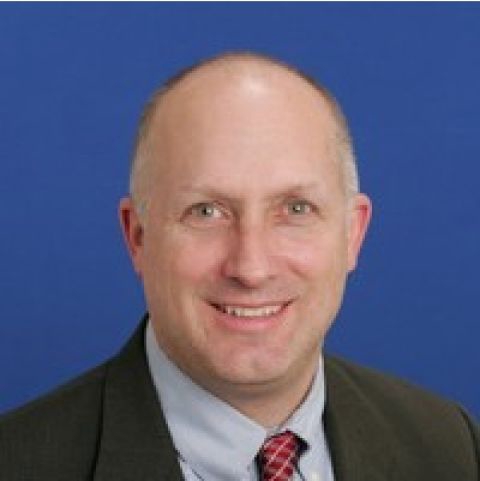
Peter D'Antonio
Pioneering acoustician and founder of RPG Diffusor Systems, recognized as the father of the modern sound diffusion industry.
1
APPEARANCES
1
PODCASTS
Aug 10, 2026


Kat SetzerHOST
So how are absorption and diffusion generally used to shape the acoustic conditions of rooms?

Peter D'AntonioGUEST
Production rooms, such as a recording studio or a mix room, they must be acoustically neutral so that the signature of the room does not imprint itself on the recording.
Peter D'AntonioGUEST
So for example, if the room is boomy, the mixing engineer will compensate by reducing the bass, resulting in a mix that sounds very thin elsewhere.
Peter D'AntonioGUEST
And so to prevent this, porous absorption is used to control early reflections and eliminate interfering echoes.
34 MINS LATER
Melanie NolanGUEST
It's evolving very quickly and hopefully we'll have the opportunity to bring the community together again for another special issue in the future.