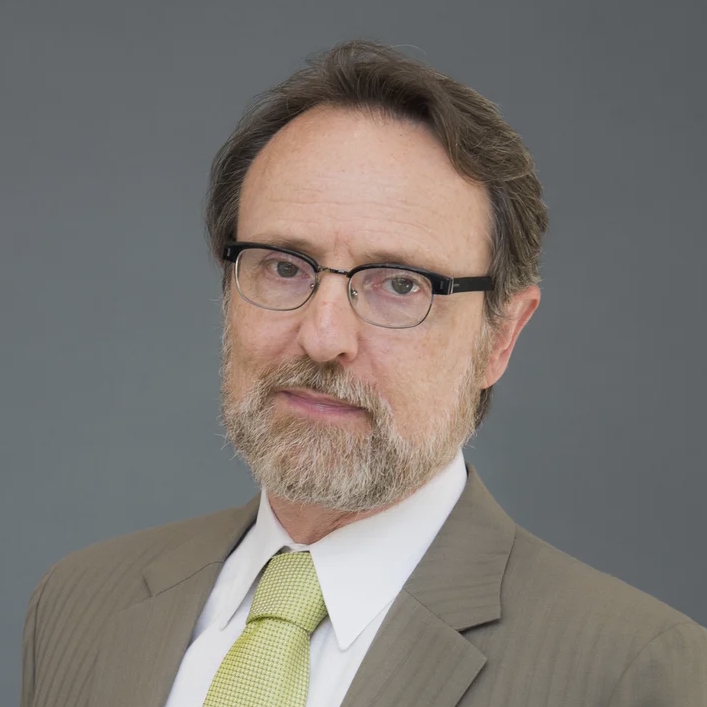
Peter Capelli
George W. Taylor Professor of Management and Director of the Center for Human Resources at The Wharton School, University of Pennsylvania
2
APPEARANCES
2
PODCASTS
Aug 3, 2026


Jerry WanHOST
By investing in knowledge transfer and leadership development, organizations can build the capabilities they need to adapt and succeed well into the future.

Peter CapelliGUEST
My colleague Edward Matthew Bidwell did a lovely study, and I wish he had a dollar for every time I mention it, but here's the study he did, looking at directors in big corporations, banks in particular, and comparing people who were promoted from within versus people who were hired from the outside to fill those vacancies.
Peter CapelliGUEST
And he found that the people who were hired from the outside, it took them three years to achieve the same performance level as people promoted from within.
Peter CapelliGUEST
And it took the people promoted from within seven years to make as much pay as the people hired from the outside.
Peter CapelliGUEST
So I think the view that is widely held, I think, particularly in the investment world, but in much of the corporate world, is that laying off or replacing people, pretty simple, just do it, right? And I think we don't understand, well, it's not appreciated at the senior level, how long it takes for people to understand the organization and to get really good and proficient at their jobs.
speaker_1ADVERTISER
they are.


Peter CapelliGUEST
Well, you know, one of the things is that headcount doesn't necessarily fall, right? And so what they ended up with is what we would all hope.
Peter CapelliGUEST
It's the thing that makes countries wealthier, right? And they discovered that they needed the same number of employees, but now they could up the number of papers they handled by, Three times, I think, is what they're doing now, which is quite remarkable.
Peter CapelliGUEST
It's also kind of interesting to note his observation that when they first looked at it, when they were just going to use large language models, it was way more expensive than having their employees do it on their own, which is quite impressive.
Peter CapelliGUEST
You know, the biggest improvement in manufacturing in my lifetime has come from lean production, which we borrowed from Japan, and in some ways they kind of borrowed from World War II in the U.S. And lean production is where you turn the operation over to to small groups of employees in the production process to try to figure out measuring your own quality and what can we do to improve it.
Peter CapelliGUEST
And what we see now with a lot of the AI tools is they're trying to do it without employees.
37:51
So, Professor Capelli, that's what I wanted to ask you about, because I see, again, this sort of temporary retrenchment as perhaps, again, much-needed breathing room for us as a society, for these very business leaders that we're talking about, to step back and think, okay, how can we better facilitate what is still probably going to be an inevitable transformation of the labor market? How can we do this better for workers?