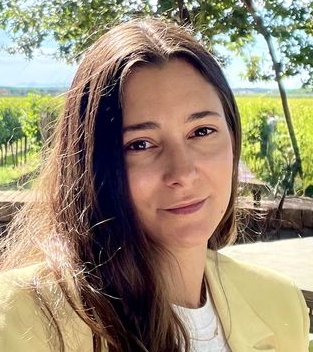
Paula Mateo
MD and Clinical Research Fellow at Houston Methodist Hospital specializing in gynecologic oncology; Spanish physician with research focus on ERAS and perioperative care.
1
APPEARANCES
1
PODCASTS
Jul 15, 2026


Pedro RamirezHOST
So why do new users, those who start statins after a cancer diagnosis, seem to show a more consistent survival benefit than those who were already on them?

Paula MateoGUEST
That was one of the most striking and honestly counterintuitive findings, because one would expect that longer exposure means more benefit.
Paula MateoGUEST
But what we saw when going through the published literature was the opposite, and the signal was strongest in women who started statins after their cancer diagnosis.
Paula MateoGUEST
And here I think it's important to talk about both the biological and the methodological side.
18 MINS LATER
Pedro RamirezHOST
Um, what is it about the chemical structure of these fat-soluble statins that might allow them to enter cancer cells more easily than hydrophilic ones? And why does this distinction matter for oncologic outcomes?"