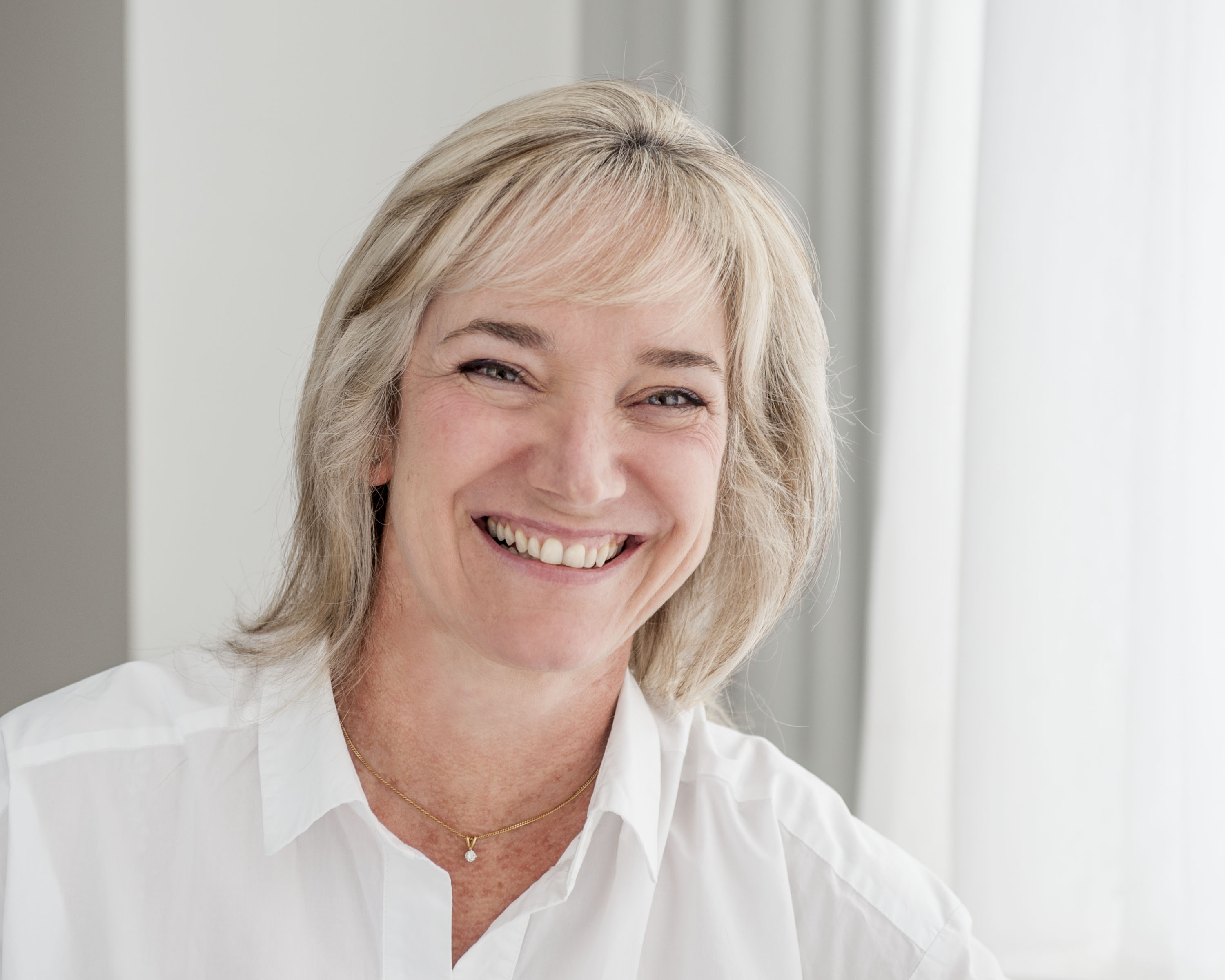
Paula Briggs
4
APPEARANCES
3
PODCASTS
Oct 15, 2026

Paula BriggsGUEST
shortages?The current shortages are in relation to a specific product called FemSeven Conti, and it's hoped to be resolved by late November.
Paula BriggsGUEST
So, you know, I really appreciate how frustrating this must be for women, but on a reassuring note, there are equivalent products, and I think there's been a huge increase in use of HRT, which is a, a good thing.
Paula BriggsGUEST
Um, but that has inevitably led to these shortages and also a huge amount of anxiety created by issues accessing the right information about menopause and also the right treatment.
Paula BriggsGUEST
So I, I think my message to women is we can ensure that you are provided with the same dose of estrogen through the skin, not necessarily the same progestogen, but that's there to protect the lining of the womb, and it is less relevant for symptom control.
Paula BriggsGUEST
Um, and whilst the patches that they may be provided with are changed twice weekly rather than weekly, the symptom control should be the same.

Anita RaniHOST
Um, so in, in, in the meantime, what, what practical advice and help can we give women if a woman isn't able to get hold of the brands that they use? What should they do or not do?
Paula BriggsGUEST
So the British Menopause Society have prepared, uh, tools for clinicians which give equivalent doses, um, of a variety of different products.

LuAnn HeinenHOST
Where does the menopause research stand right now? So just what do we know now about the safety of menopause hormone therapy?
Paula BriggsGUEST
Ideally, a woman would have their blood pressure checks, their weight measured, information about lifestyle choices, their personal history.
Paula BriggsGUEST
So for the vast majority of women under the age of 60, the benefits associated with MHT outweigh the risks.
Paula BriggsGUEST
And in the UK, we use NICE guidance, and the NICE guideline supports the use of MHT for women who don't have ongoing risk factors for management of menopausal symptoms.
9 MINS LATER


Heather CurrieHOST
Just to link with the research topic in the first half of this podcast, it was great that you were involved In the research, can you just explain a little bit about your involvement, what that actually meant?
Paula BriggsGUEST
Yeah, so actually I was involved even earlier in a clinical trial called Switch One, which was a phase two trial looking at Ellen's annotants.
Paula BriggsGUEST
And that kind of supported the subsequent trials, the phase three trials, OASIS-3 trials.
Paula BriggsGUEST
We have a fantastic research team and recruitment for OASIS 3 was difficult because women were potentially randomized to placebo for 52 weeks, which is a long time with no treatment.
7 MINS LATER
Heather CurrieHOST
Can you just give us an update on where we are with the process of these new medications?


Paula BriggsGUEST
Um, I think this is obviously based on the UK Biobank, and I don't know how much you knew, Barbara, about what types of HRT the women were using.
Paula BriggsGUEST
So, um, it's not saying that HRT prevents Alzheimer and disease, and that's in keeping with at least four, um, previously published randomized controlled trials.