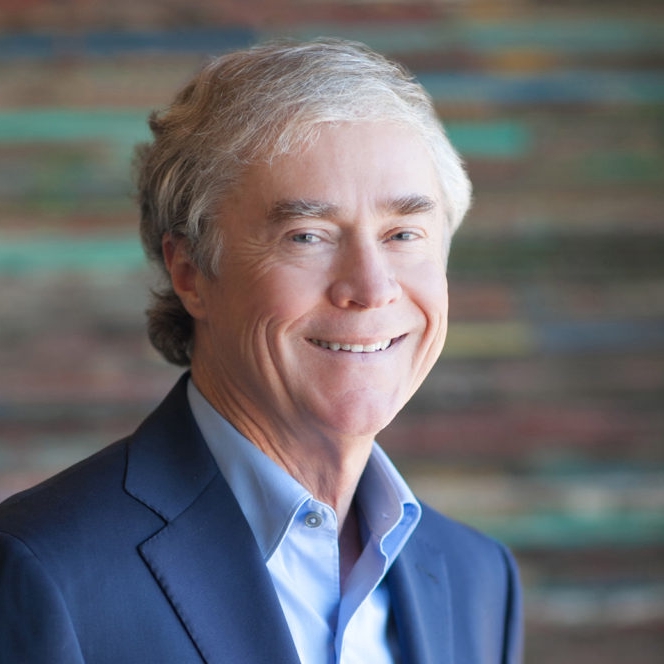
Paul Fleming
Associate Professor of Health Behavior and Health Equity at the University of Michigan School of Public Health and author of "Imagine Doing Better"
2
APPEARANCES
2
PODCASTS
Aug 13, 2026


Paul FlemingGUEST
Yeah, I l- I love those examples of the moonshot or, you know, these, these larger goals that sometimes we do see institutions rallying around.
Paul FlemingGUEST
And I think part of what gets lost in those conversations is that the way that we are gonna get there is only in this technocratic way.
Paul FlemingGUEST
At its core, when we're talking about big transformational change, that, that happens through people power and it happens through building movements.
Paul FlemingGUEST
And so some of these big goals that we have in public health, thinking about healthy people twenty thirty, for example, where we're, we are thinking future-oriented, what we try to do loses sight of the fact that we need a broad movement within our communities.
Paul FlemingGUEST
And that's where, and I, and I discuss this in the book a bit, strategies related to community organizing and building relationships and building coalitions.
Paul FlemingGUEST
Of course, public health and policymakers do some of this, but so much of the large changes that we've seen over the years, over the decades, has come from people power and people demanding change.
10:27
What kind of forces do you think we're up against with this kind of work?

Paul FlemingGUEST
When I think about the work I'm doing, I am constantly reflecting back that, oh, I'm actually using a skill that I learned back at the very, very start of my career, right? So a couple of those things, and some of the listeners might not be that familiar with Peace Corps, but one of the things that, at least in my experience with the Peace Corps, really drill into you is the importance that you are not going somewhere with the answers.
Paul FlemingGUEST
You are not going somewhere with all the knowledge to bestow on some other community, but rather you are there to listen, build relationships, understand a community, and then figure out where do you fit in? What do you have to share that might partner well with what they are trying to do or what problems they're trying to solve? And ultimately, that's how I try to approach my work today.
Paul FlemingGUEST
I do a lot of community-based participatory research, which means that I partner with organizations and try to understand what their needs are, what type of research they wanna do, what type of information do they have, what knowledge do they have, and then where might my skillset or my resources fit in and partner with that? And I think that's the power of public health.
10 MINS LATER

Miranda BosseHOST
So really, first, what inspired you to write this book at this point in your career? And could you share a little bit more about this book for our listeners?