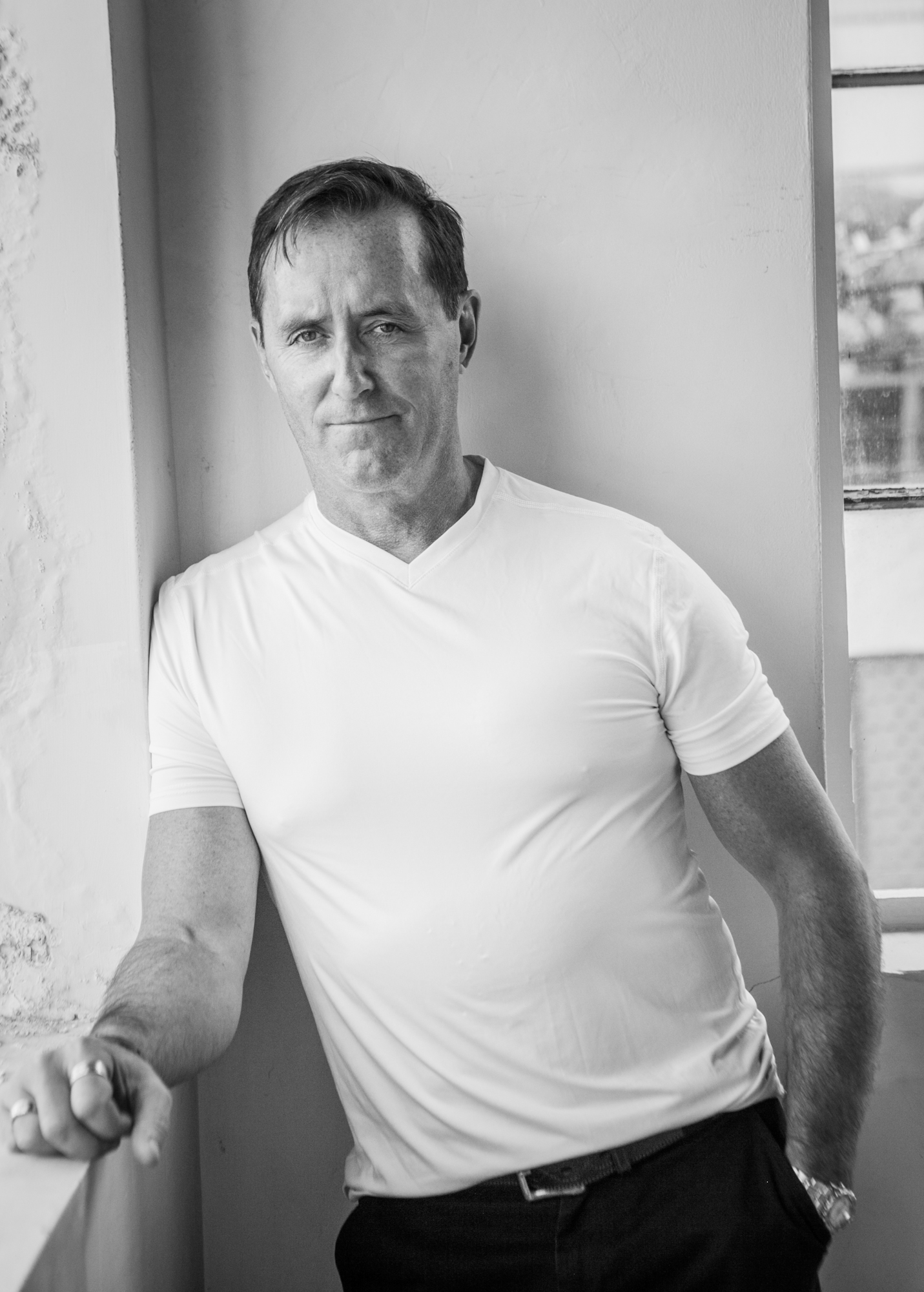
Patrick Stevenson
Actor
6
APPEARANCES
4
PODCASTS
Sep 23, 2026


Isaac KofiHOST
I want to find out from Patrick, do you think that if you look at this, the number of injunctions we've had so far, it is enough and sufficient to conclude that Heathgoldfields needs a lot of time, especially looking at the earlier timelines, that because of these constraints being put in their way by these injunctions we've seen so far, it was only fair that we give Heath some time to possibly meet the timelines that they previously had placed in the initial lease.

Patrick StevensonGUEST
I mean, my view truly will even transcend the question of the seeming challenges around litigation.
Patrick StevensonGUEST
Litigation is normal when it comes to engagements or arrangements like this that we have at hand.
Patrick StevensonGUEST
I think the central argument that perhaps needs to be made, and when you look at the players across the world now and the questions that countries in the global south are beginning to ask in terms of value addition and getting their local actors to actively participate in their value chains.
Patrick StevensonGUEST
It clearly, at least to my mind, suggests that we must necessarily have accommodation within policy and governance to make room for these local actors to be able to properly operate, so to speak, right? And yeah, speaking of, we looked at several examples of modules from somewhere else.
Patrick StevensonGUEST
So, barring the litigation and several engagements that you have seen that are, you know, operated to slow or, if you like, impede execution and implementation, I think by virtue of the fact that we are beginning to see, you know, different Ghanaian actors be interested in the value chains that we have for our minerals.
Winston TakiHOST
When it comes to management, from your... civil society organization, does it have to do, what do we see about ownership and control, especially when it comes to putting strategies in place in managing civil society? Consistently we've seen some minds underperform, but from your assessment in ensuring domestication of the operations?
Isaac KofiPANELIST
I want to find out from Patrick, do you think that if you look at this, the number of injunctions we've had so far, it is enough and sufficient to conclude that Heathgoldfields needs a lot of time, especially looking at the earlier timelines, that because of these constraints being put in their way by these injunctions we've seen so far, It was only fair that we give Heath some time to possibly meet the timelines that they've actually previously had placed in the initial lease.
Patrick StevensonGUEST
I mean, my view truly will even transcend the question of the seeming challenges around litigation.
Patrick StevensonGUEST
Litigation is normal when it comes to engagements or arrangements like this that we have at hand.
Patrick StevensonGUEST
I think the central argument that perhaps needs to be made, and when you look at the players across the world now and the questions that countries in the global south are beginning to ask in terms of value addition and getting their local actors to actively participate in their value chase.
Patrick StevensonGUEST
It clearly, at least to my mind, suggests that we must necessarily have accommodation within policy and governance to make room for these local actors to be able to properly operate, so to speak, right? And yes, we haven't looked at several examples of modules from somewhere else.
Patrick StevensonGUEST
So, barring the question of litigation and several engagements that you have seen that are, you know, operated to slow or, if you like, impede execution and implementation, I think by virtue of the fact that we are beginning to see, you know, different Ghanaian actors uh be interested in the value chains that we have for minerals i think that in itself should give us a recourse to maybe go back and re-engineer some of our government's architecture and considerations by which they can get the opportunity to do business so that if you then throw in the litigation challenge some of which perhaps may not necessarily be a doing of a company it may necessarily be you know maybe tussled between government and the srl asset holder and the like then there is room to maybe recalibrate a little bit.
Winston TakiHOST
to understand from your perspective i understand from your perspective when it comes to mind management from your as a civil society organization, does it have to do, what do we see about ownership and control, especially when it comes to putting structures in place and managing our resources? Consistently we've seen some mice underperform, but from your assessment in ensuring domestication of the operations?

KofiHOST
I wanna, uh, find out from, uh, Patrick, uh, do you think that if you look at this, the number of injunctions we've had so far, it is enough and sufficient to conclude that, um, I mean, Heath Goodfields needs a lot of time, especially looking at their earlier timelines, that because of this, um, you know, constraints being put in their way by these injunctions we've seen so far, it was only fair that we give Heath some time to possibly, uh, meet the timelines that they've actually, uh, they previously, uh, had put, uh, place in the, in the initial lease?
Patrick StevensonGUEST
Um, I mean, my view truly will even transcend the question of the, uh, seeming challenges around, you know, litigation.
Patrick StevensonGUEST
Litigation is normal, you know, when it comes to, um, uh, engagements or arrangements like this that we have at hand.
Patrick StevensonGUEST
I think the central argument that, you know, perhaps needs to be made, and, and when you look at the players, you know, across the world now and the questions that countries in the Global South are beginning to ask in terms of value addition and getting their local actors to actively participate in their value chains, it clearly, at least to my mind, suggests that- We must necessarily have accommodation within policy and governance to make room for these local actors to be able to properly operate, so to speak, right? And yeah, in speaking, I've been looked at several examples of modules from somewhere else.
Patrick StevensonGUEST
So barring the question of litigation and several engagements that you have seen that are, you know, operate too slow or if you like impede, uh, execution and implementation, I think by virtue of the fact that we are beginning to see, you know, different Ghanaian actors, um, be interested in the value chains that we have for our minerals.

Winston TackieHOST
As a civil society organization, uh, does it have to do-- What are we-- What do we say about ownership and control, especially when it comes to putting structures in place in managing this resource? Consistently, we've seen some mines underperform, but from your assessment in ensuring domestication of the operations.


Isaac KofiHOST
I want to find out from Patrick, do you think that if you look at this, the number of injunctions we've had so far, it is enough and sufficient to conclude that Heathgold Fields needs a lot of time, especially looking at the earlier timelines, that because of these constraints being put in their way by these injunctions we've seen so far, It was only fair that we give Heath some time to possibly meet the timelines that they've actually previously had placed in the initial lease.
Patrick StevensonGUEST
I mean, my view truly will even transcend the question of the seeming challenges around litigation.
Patrick StevensonGUEST
Litigation is normal when it comes to engagements or arrangements like this that we have at hand.
Patrick StevensonGUEST
I think the central argument that perhaps needs to be made, and when you look at the players you know across the world now and the questions that countries in the global south are beginning to ask in terms of value addition and getting their local actors to actively participate in their value chains it clearly at least to my mind suggests that we must necessarily have accommodation within policy and governance to make room for these local artists to be able to properly operate, so to speak, right? And yeah, speaking, I haven't looked at several examples of modules from somewhere else.
Patrick StevensonGUEST
So, barring the question of litigation and several engagements that you have seen that are, you know, operated to slow or, if you like, impede execution and implementation, I think by virtue of the fact that we are beginning to see, you know, different Ghanaian actors be interested in the value chains that we have for our minerals.
Patrick StevensonGUEST
I think that in itself should give us a recourse to maybe go back and re-engineer some of our governance architecture and considerations by which they can get the opportunity to do business.
16 MINS LATER
Isaac KofiHOST
Patrick, Do you think that we need to give Heath some time in terms of giving them headroom to be able to make sure that they clear all of these debts and even maybe buy some time from their investors to make sure that what they are doing as far as the Bogosu-Pristel mine is concerned is actually legitimate and is following the timelines provided?

Gracelyn KellerHOST
And let's start our conversation with, from your perspective, what is the most pressing operational challenge facing payers right now, and how are you addressing it?
Patrick StevensonGUEST
Really, I think a big, a big issue that's facing payers right now is watching, particularly of, of small and large, small and mid-sized payers like our own organization.
Patrick StevensonGUEST
A big risk is larger payers just choosing to enter and exit markets as they please, and that's hard.
Patrick StevensonGUEST
So I've spoken with a lot of payers out here today, uh, around the challenges in their environments.
Patrick StevensonGUEST
And what's happening is larger payers are able to somehow man- uh, manipulate, maneuver which, which, uh, which markets they're participating in, and particularly they're avoiding markets that have a lot of risk, like a disproportionate amount of risk.
Gracelyn KellerHOST
So how is your organization balancing cost containment with improving member experience and quality outcomes, and where are you seeing the greatest opportunity for impact?
Gracelyn KellerHOST
And let's start our conversation with, from your perspective, what is the most pressing operational challenge facing payers right now and how are you addressing it?
Patrick StevensonGUEST
Really, I think a big issue that's facing payers right now is watching, particularly small and mid-sized payers like our own organization.
Patrick StevensonGUEST
A big risk is larger payers just choosing to enter and exit markets as they please.
Patrick StevensonGUEST
So I've spoken with a lot of payers out here today around the challenges in their environments.
Gracelyn KellerHOST
So how is your organization balancing cost containment with improving member experience and quality outcomes? And where are you seeing the greatest opportunity for impact?