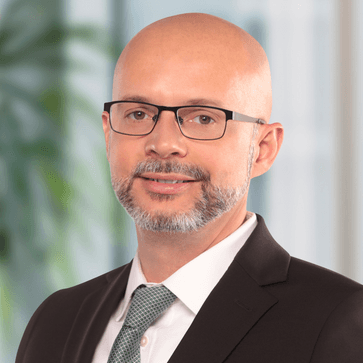
Patrick Grimes
Founder and CEO of Passive Investing Mastery, a former robotics engineer turned alternative-investments expert specializing in litigation finance, medical receivables, and commercial real estate funds.
4
APPEARANCES
4
PODCASTS
Sep 21, 2026


Patrick GrimesGUEST
It really just comes down to is, you know, you've just got corporate assets that act a bit like a payable that are coming in.
10 MINS LATER
Neil HendersonHOST
Which asset class has surprised you the most in terms of its risk adjusted return profile or its resilience during downturns?

Patrick GrimesGUEST
There's a lot of similarities, and I think that's one of the things why I love our platform, because we also have an acquisitions fund that's buying commercial real estate, and we have a fund that's lending against commercial real estate and senior secured notes.
Patrick GrimesGUEST
There's very little differences between financing real estate operators and taking a lien on a property, then financing attorneys and taking a lien on their company and their assets and their collateral, which are their contingency fee agreements.
Patrick GrimesGUEST
and financing medical practices and taking a lien on the practice and their assets as well as their payments and their legal assets, their corporate assets that they have.
Patrick GrimesGUEST
And so all the mechanisms are the same in terms of you value the collateral.
Patrick GrimesGUEST
You underwrite the borrower, the financee, and you then finance a small amount compared to what the collateral value is.
Chris JansenHOST
So at what point in your engineering career, and then you're doing all this on the side, like at what point did you decide, okay, it's time? Was it a financial decision of like, I'm matching my W-2 income, so now I'm ready to go? Or did you take a leap of faith? Or like, at what point did you make that decision?


Mandy McAllisterHOST
Tell me a couple of things that you kind of grappled with and what got you through in that identity change from one to the other.
6 MINS LATER
Mandy McAllisterHOST
You could have easily just continued to invest on your own and made more money, but, like, kind of what, what did... what was that calling like for you to wanna create the master- mastermind community and events?

Patrick GrimesGUEST
First of all, you're talking about who wrote the high-tech wave, right? The dot-com, Y2K, bubbles.
Patrick GrimesGUEST
And then I wrote the real estate wave early, not only back in 2009 and 2010, but as the interest rates skyrocketed, I saw a collapse of a lot of value in the apartment building investments.
Patrick GrimesGUEST
So- In my mind, it's really the focus is on diversifying and building resilient wealth.
Patrick GrimesGUEST
And sure, I got heavily indexed in apartment buildings because that happened to be the more resilient asset class over time.
Patrick GrimesGUEST
But I was also in metals, and I was also in crypto, and I was also immediately in things like energy, oil, and gas.
16 MINS LATER

Michael BlankHOST
Okay, so how do you engage with someone with this amazing track record who's only used to taking institutional money? Why would they take your money at all? And then the other question is, why would they open up their kimono and essentially give you access in all of their confidential information? In other words, how do you engage with them at a much more strategic level than writing LP checks?