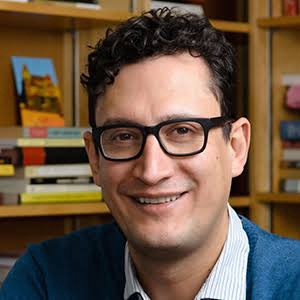
Pablo F. Gómez
Pablo F. Gómez is a professor of history and the history of medicine at the University of Wisconsin–Madison, author of "The Experiential Caribbean" (2018 Welch Medal) and "Bloody Numbers" (U Chicago Press, 2026).
6
APPEARANCES
6
PODCASTS
Sep 20, 2026


Amisah BakuriHOST
So why the Atlantic slave trade? So why was the early Atlantic slave trade, the 16th, 17th century, such an important environment for this development? What was happening in that particular world that made measurements, calculation, quantification so significant?

Pablo F. GomezGUEST
I I think that obviously the transatlantic slave trade by no means was the first enterprise that was involved in the enslavement of large numbers of people, right? Slavery has been a fact of human life since we have historical records, and that was true both in Europe, in Africa, in Asia, in the Americas.
Pablo F. GomezGUEST
And there are many, many good historians have been working on these histories for decades.
Pablo F. GomezGUEST
What I think stands out about the transatlantic slave trade, and by the way, one thing that I will say is that one of the things that I explain in the book is how the people involved in these enterprises, they were As much as they were innovating in certain respect, they were also making use of techniques and ways of both thinking about the examination of human bodies, but also their transportation.
Pablo F. GomezGUEST
So maritime technology and financial resources that came from, you know, decades or in some cases, centuries of development in the Mediterranean world and in Eastern Europe and also in North Africa, right? So this is It is not a history of grand revolutions or great ideas as much as a history of creation and borrowing and amalgamation of all these different techniques.
Pablo F. GomezGUEST
But what happens throughout the 6th and the 17th century is that we have development both in Europe and in Africa and in the Americas of a large, a vast network of people invested in this late trade um that speaks both to the scale in terms of distance geography complexity of the trade so the number of people involved in it uh and the number of different sorts of uh of epistemology that came into the shaping of the trade makes it a very specific and fruitful space for the development of these specific techniques.
Amisah BakuriHOST
For someone who has not yet read your book, what exactly were people measuring and why? Why was it necessary for them to measure all these?

Amisah BakuriHOST
So why the Atlantic slave trade? So why was the early Atlantic slave trade, the 16th, 17th century, such an important environment for this development? What was happening in that particular world that made measurements, calculation, quantification so significant?
Pablo F. GómezGUEST
I I think that obviously the transatlantic slave trade by no means was the first enterprise that was involved in the enslavement of large numbers of people, right? Slavery has been a fact of human life since we have historical records, and that was true both in Europe, in Africa, in Asia, in the Americas.
Pablo F. GómezGUEST
And there are many, many good historians have been working on these histories for decades.
Pablo F. GómezGUEST
What I think stands out about the transatlantic trade, and by the way, one thing that I will say is that one of the things that I explain in the book is how the people involved in these enterprises, they were As much as they were innovating in a certain respect, they were also making use of techniques and ways of both thinking about the examination of human bodies, but also their transportation.
Pablo F. GómezGUEST
So maritime technology and financial resources that came from decades, or in some cases, centuries of development in the Mediterranean world and in Eastern Europe and also in North Africa.
Pablo F. GómezGUEST
So this is It is not a history of grand revolutions or great ideas as much as a history of creation and borrowing and amalgamation of all these different techniques.
Amisah BakuriHOST
For someone who has not yet read your book, what exactly were people measuring and why? Why was it necessary for them to measure all these?

Amisah BakuriHOST
So why the Atlantic slave trade? So why was the early Atlantic slave trade, the 16th, 17th century, such an important environment for this development? What was happening in that particular world that made measurements, calculation, quantification so significant?
Pablo F. GomezGUEST
I I think that obviously the transatlantic slave trade by no means was the first enterprise that was involved in the enslavement of large numbers of people, right? Slavery has been a fact of human life since we have historical records, and that was true both in Europe, in Africa, in Asia, in the Americas.
Pablo F. GomezGUEST
And there are many, many good historians have been working on these histories for decades.
Pablo F. GomezGUEST
What I think stands out about the transatlantic trade, and by the way, one thing that I will say is that one of the things that I explain in the book is how the people involved in these enterprises, they were As much as they were innovating in a certain respect, they were also making use of techniques and ways of both thinking about the examination of human bodies, but also their transportation.
Pablo F. GomezGUEST
So maritime technology and financial resources that came from decades or in some cases centuries of development in the Mediterranean world and in Eastern Europe and also in North Africa.
Pablo F. GomezGUEST
So this is It is not a history of grand revolutions or great ideas as much as a history of creation and borrowing and amalgamation of all these different techniques.
Amisah BakuriHOST
For someone who has not yet read your book, what exactly were people measuring and why? Why was it necessary for them to measure all these?

Amisah BakuriHOST
So why the Atlantic slave trade? So why was the early Atlantic slave trade, the 16th, 17th century, such an important environment for this development? What was happening in that particular world that made measurements, calculation, quantification so significant?
Pablo F. GómezGUEST
I I think that obviously the transatlantic slave trade by no means was the first enterprise that was involved in the enslavement of large numbers of people, right? Slavery has been a fact of human life since we have historical records, and that was true both in Europe, in Africa, in Asia, in the Americas.
Pablo F. GómezGUEST
And there are many, many good historians have been working on these histories for decades.
Pablo F. GómezGUEST
What I think stands out about the transatlantic slave trade, and by the way, one thing that I will say is that one of the things that I explain in the book is how the people involved in these enterprises, they were As much as they were innovating in certain respects, they were also making use of techniques and ways of both thinking about the examination of human bodies, but also their transportation.
Pablo F. GómezGUEST
So maritime technology and financial resources that came from decades or in some cases centuries of development in the Mediterranean world and in Eastern Europe and also in North Africa.
Pablo F. GómezGUEST
So this is It is not a history of grand revolutions or great ideas as much as a history of creation and borrowing and amalgamation of all these different techniques.
Amisah BakuriHOST
For someone who has not yet read your book, what exactly were people measuring and why? Why was it necessary for them to measure all these?

Amisah BakuriHOST
So why the Atlantic slave trade? So why was the early Atlantic slave trade, the 16th, 17th century, such an important environment for this development? What was happening in that particular world that made measurements, calculation, quantification so significant?
Pablo F. GómezGUEST
I think that obviously the transatlantic slave trade by no means was the first enterprise that was involved in the enslavement of large numbers of people, right? Slavery has been a fact of human life since we have historical records, and that was true both in europe in africa in asia in the americas and there are many many good historians have been working on these histories for for decades what uh what i think stands out about the transatlantic slave trade and and um and by the way one thing that i will say is that one of the the things that i explained in the book is how the people involved in these in these enterprises they were As much as they were innovating in a certain respect, they were also making use of techniques and ways of both thinking about the examination of human bodies, but also their transportation.
Pablo F. GómezGUEST
So maritime technology and financial resources that came from decades, or in some cases, centuries of development in the Mediterranean world and in Eastern Europe and also in North Africa.
Pablo F. GómezGUEST
So this is It is not a history of grand revolutions or great ideas as much as a history of creation and borrowing and amalgamation of all these different techniques.
Pablo F. GómezGUEST
But what happens throughout the 6th and the 17th century is that we have development both in Europe and in Africa and in the Americas of a large, a vast network of people.
Amisah BakuriHOST
For someone who has not yet read your book, what exactly were people measuring and why? Why was it necessary for them to measure all these?

Amisah BakuriHOST
So why the Atlantic slave trade? So why was the early Atlantic slave trade, the 16th, 17th century, such an important environment for this development? What was happening in that particular world that made measurements, calculation, quantification so significant?
Pablo F. GomezGUEST
I I think that obviously the transatlantic slave trade by no means was the first enterprise that was involved in the enslavement of large numbers of people, right? Slavery has been a fact of human life since we have historical records, and that was true both in Europe, in Africa, in Asia, in the Americas.
Pablo F. GomezGUEST
And there are many, many good historians have been working on these histories for decades.
Pablo F. GomezGUEST
What I think stands out about the transatlantic trade, and by the way, one thing that I will say is that one of the things that I explain in the book is how the people involved in these enterprises, they were As much as they were innovating in certain respect, they were also making use of techniques and ways of both thinking about the examination of human bodies, but also their transportation.
Pablo F. GomezGUEST
So maritime technology and financial resources that came from decades, or in some cases, centuries of development in the Mediterranean world and in Eastern Europe and also in North Africa.
Pablo F. GomezGUEST
So this is It is not a history of grand revolutions or great ideas as much as a history of creation and borrowing and amalgamation of all these different techniques.
25 MINS LATER
Amisah BakuriHOST
So how is a modern person encouraged to understand their body today as an individual, as a measurable object, and as part of the population?