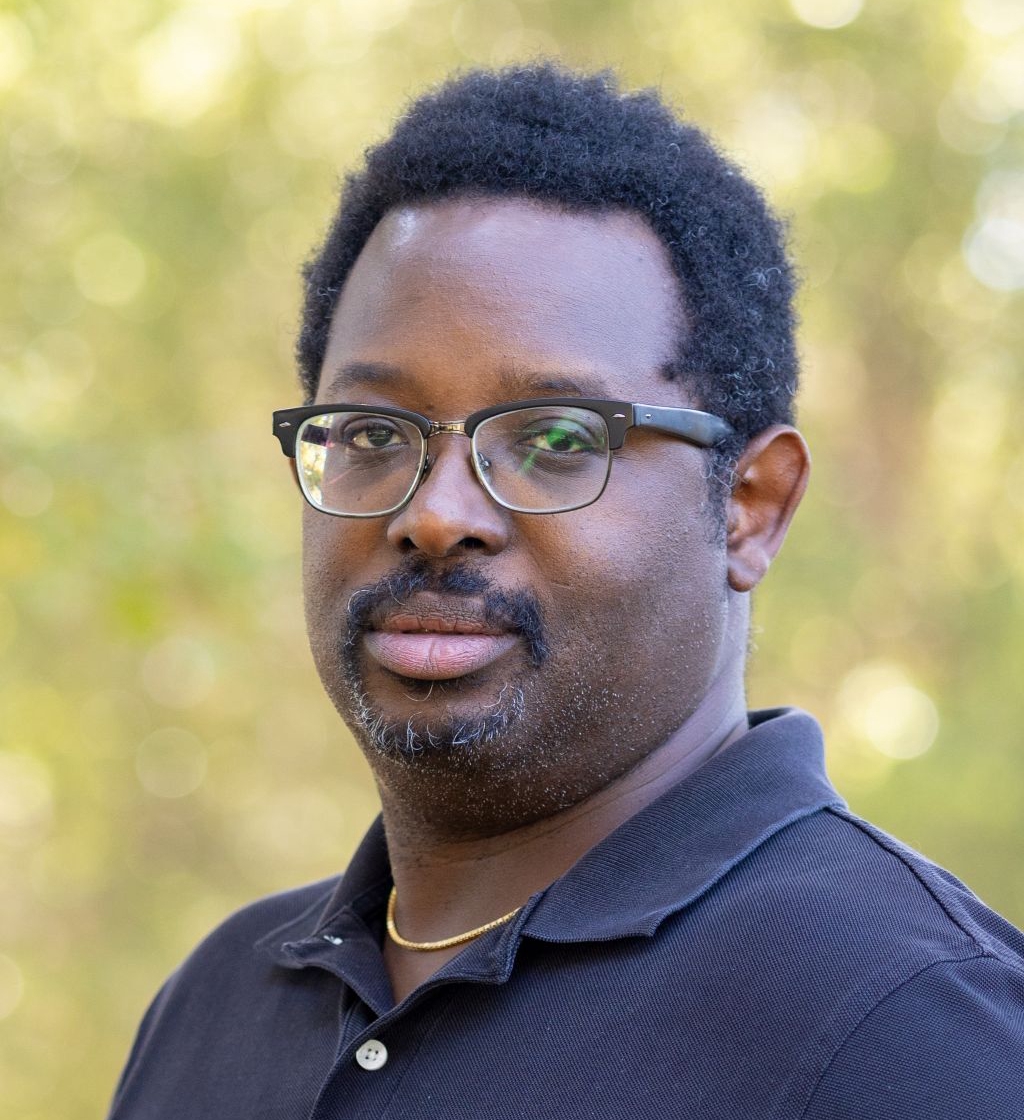
Olukunle Owolabi
Associate Professor of Political Science and Director of Africana Studies at Villanova University; 2025-26 CASBS fellow at Stanford.
1
APPEARANCES
1
PODCASTS
Sep 25, 2026


David LaitinGUEST
So it was my intuition that language was going to be an important political issue that drew me to reading anthropology.

Olukunle OwolabiGUEST
Yeah, the connection between anthropology as a discipline and the way in which it's informed some of your work in political science.
Olukunle OwolabiGUEST
Just going back briefly to that language question as a legacy of colonialism for some of our listeners who might be curious about this.
Olukunle OwolabiGUEST
It's really striking to me talking to you today that in some ways, Nigeria and Somalia are opposite extremes of the same problem in the sense that Somalia is this country that everyone speaks the same African language, Somali, and there's a very strong sense of Somali nationality.
8 MINS LATER
David LaitinGUEST
And we now have four or five papers where we show that this equilibrium with medium of instruction in mother tongue in the first six years pays off in human development.