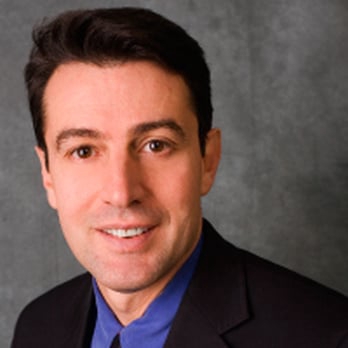
Nick Colyvas
Orthopedic sports medicine surgeon and Professor of Orthopaedic Surgery and Sports Medicine at UCSF, specializing in arthroscopic knee and shoulder surgery with a focus on meniscus preservation.
1
APPEARANCES
1
PODCASTS
Aug 17, 2026


Nick ColyvasGUEST
So generally, if we're talking about anti-inflammatories, things like Naprosyn, ibuprofen, those are medications that reduce the inflammatory response.
Nick ColyvasGUEST
Anytime you have an injury, the body's natural system is to initiate this inflammatory cascade, and that inflammation will cause pain.
Nick ColyvasGUEST
So the anti-inflammatories reduce the inflammation, and that's how they work to reduce pain.

Mary MulcaheyHOST
But to clarify for the listeners, for our patients, which symptoms, if they're experiencing, which symptoms may be more consistent with a concussion and should raise some concern?