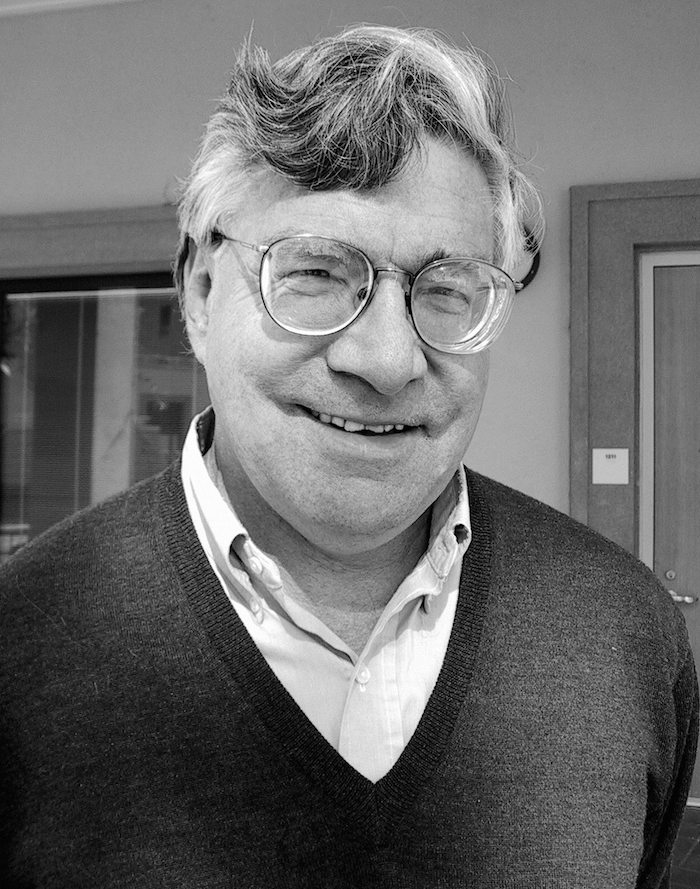
Nelson Lichtenstein
American historian
7
APPEARANCES
6
PODCASTS
Oct 23, 2026


Nelson LichtensteinGUEST
So if you look at the whole 20th century, 21st century, the great boosts in inflation were right at World War I and just after.
Nelson LichtensteinGUEST
And that had a big impact on the mentality of policy people when the Second World War began.
6 MINS LATER

Martin DeCaroHOST
By the middle of the 1960s, really, it was spending on the Vietnam War that started to cause inflation to tick up again, right?


Nelson LichtensteinGUEST
Right now, there is a campaign for president of the UAW, and other officers are going on right now.
Nelson LichtensteinGUEST
There are, I don't know, half a dozen people running for president and other offices.
18 MINS LATER
20:08
Regardless of what the politics of what they were doing, that would not.

Tino ScaliseHOST
How, in your opinion, is he balancing the promise of internal rank-and-file union democracy against the practical need to consolidate power and deliver at the bargaining table?
Nelson LichtensteinGUEST
I mean, it is true right now that the UAW is – Its various mechanism structures is more democratically organized than at any time in the last 50 or 60 years.
Nelson LichtensteinGUEST
And just as we're speaking within a couple of days, a few days, ballots will go out to voters.
Nelson LichtensteinGUEST
More than 400,000 members, maybe more than that, because retirees can vote.
6 MINS LATER

Nelson LichtensteinGUEST
One, the editors of Fortune decided, hey, there are these retailers out there.
Nelson LichtensteinGUEST
I think we should put them on the Fortune list of 500 most important companies.
Nelson LichtensteinGUEST
And it turned out Walmart popped up number four, you know, and Sears number eight or something.
17 MINS LATER

Lee VinselHOST
saying they shouldn't have been critical of it it was very bad in a lot of ways but actually like you know you see these new york times uh there was a new york times at a series on like how childhood poverty has been reduced from like by 60 since the 1990s and it has to do with tax transfers and all these other things so i think there is an interesting way in which like The initial highly negative reaction to his move there kind of blinded people to the actual material changes that were happening around these issues.

Nelson LichtensteinGUEST
One, the editors of Fortune decided, hey, there are these retailers out there.
Nelson LichtensteinGUEST
I think we should put them on the Fortune list of 500 most important companies.
Nelson LichtensteinGUEST
And it turned out Walmart popped up number four, you know, and Sears number eight or something.
18 MINS LATER
Lee VinselHOST
Well, one thing I've noticed, Nelson, and this will probably be in the book I'm writing about, I mean, I'm still working through it and looking at the data, but I think so much of our history of that welfare reform moment in the 90s is kind of colored by the initial left reaction to it by journalists and academic left people who are rightly i mean i'm not saying they shouldn't have been critical of it it was very bad in a lot of ways but actually like you know you see these new york times uh there was a new york times at a series on like how childhood poverty has been reduced from like by 60 since the 1990s and it has to do with tax transfers and all these other things so i think there is an interesting way in which like The initial highly negative reaction to his move there kind of blinded people to the actual material changes that were happening around these issues.

Nelson LichtensteinGUEST
Yeah, I was there, and I was, uh, working on a, a biography of the labor leader Walter Reuther, uh, and I was about to go to Finland.
57 MINS LATER
speaker_9UNKNOWN
Yeah.
Martin DeCaroHOST
Before we dive into some specifics, what are your overall thoughts about Greenspan?
Nelson LichtensteinGUEST
I think he presided over the Fed during this crucial period when really financialization became kind of at the core, really, of the American political economy.