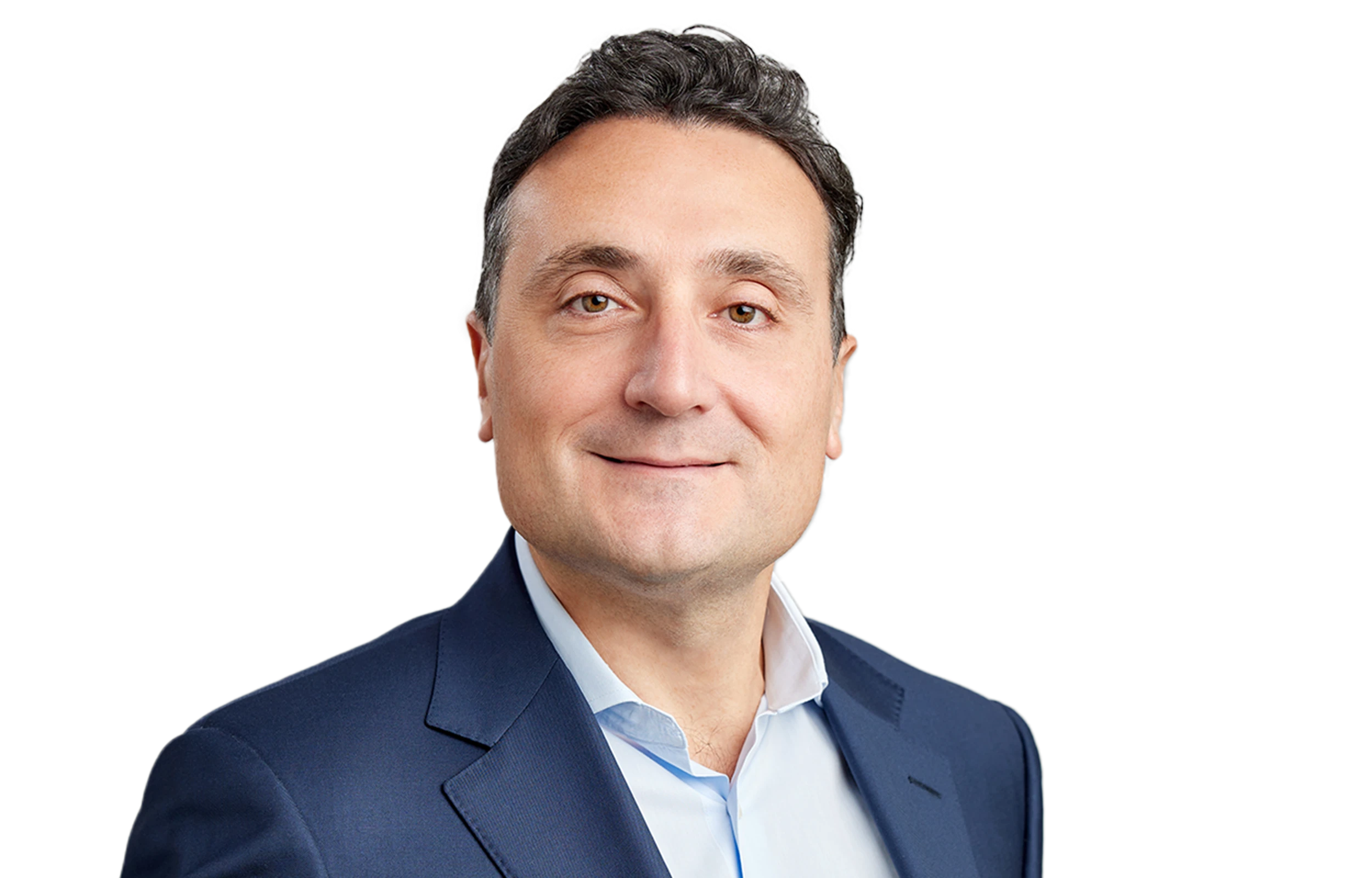
Nello Mainolfi
3
APPEARANCES
3
PODCASTS
Sep 16, 2026


Rahul ChaturvediHOST
What was it that piqued your interest back then, where you were so ahead of many other folks out there? hypotheses that you had at that time didn't pan out where you needed to shift gears and you mentioned you know having some optionality to have a bunch of cash in the bank talk us through kind of what initially piqued your interest and what were some of those bets that you placed in the early years

Nello MainolfiGUEST
I'm fascinated by technologies that improve our speed and probability of success.
Nello MainolfiGUEST
So even in my Novartis days, I was one of the first adopters of fragment-based screening and structure-based optimization.
Nello MainolfiGUEST
And that actually changed the properties of our molecules, and I think changed the way people thought about small molecule drug discovery.
Nello MainolfiGUEST
So when I got exposed to protein degradation through work of obviously the giants in the space, Craig Cruz, Ray D. Shea, then eventually Jay Bratner, then eventually John Novartis and others, the coolest thing in the world was for me, and it still is, we have for the first time in the history of the biopharma industry, a new way of dragging proteins with small molecules.
Nello MainolfiGUEST
Actually, this was the first time that we could use a whole new modality, and probably the last so far.
6 MINS LATER
Rahul ChaturvediHOST
So talk to us a little bit now about where you are from a development perspective after a lot of this insight onto, let's just focus on immunology is and what readouts look like now.

BradHOST
Yes
Nello MainolfiGUEST
... acquire to being able to talk to the target audience, depending on where you are.
Nello MainolfiGUEST
So again, uh, we're all standing on the shoulders of giants, people that have understood human biology, that have sequenced the genome.
Nello MainolfiGUEST
And so what we learned in the past 20 years, uh, that, you know, y- you can go to a lab now, and I think for dollars, I think $40 is the latest, you can, I think, uh, you can sequence your genome.
Nello MainolfiGUEST
So you actually can understand what it makes you different from everybody else.
10 MINS LATER
BradHOST
Why are you here, and where, what do we have to work so hard to protect here?


Melissa LeeHOST
Can you explain sort of the backbone of what you do, targeted protein degradation?
Nello MainolfiGUEST
So, uh, this is a technology that al- that allows us to go after targets that have been undrugged over the years.
Nello MainolfiGUEST
So we're able to open up new target space, new biology, and more importantly, new therapies for patients that want oral drugs.
Nello MainolfiGUEST
So this program that is the focus of the attention today allows us to go after, let's call it, the most common allergic diseases.
Nello MainolfiGUEST
Disease- diseases like eczema, like asthma, potentially even, uh, um, uh, food allergies that are completely underserved by existing therapies.
Nello MainolfiGUEST
If you look at the number of patients that, that suffer from these diseases globally, uh, are close to 150 million, and only one or two millions have been dosed with a systemic advanced therapy, meaning the therapies that actually address the underlying condition.
