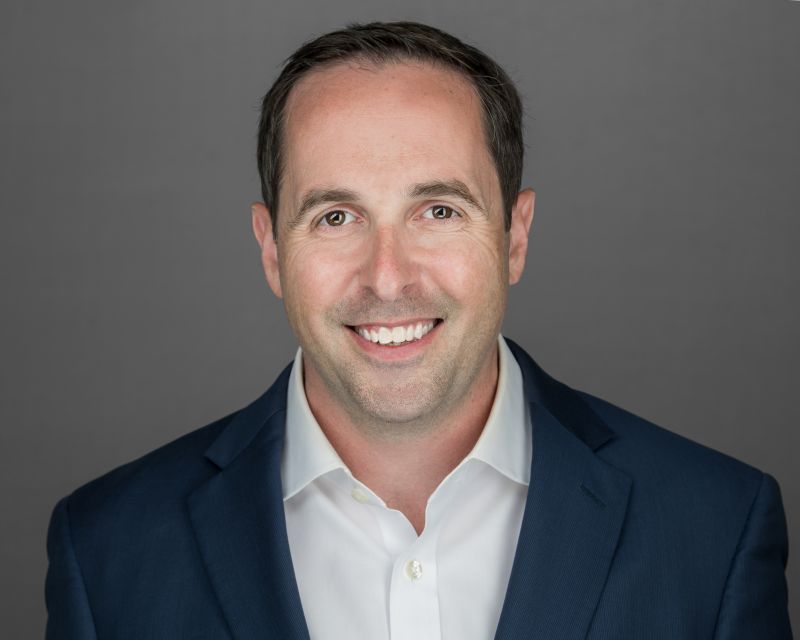
Nathan Ohle
4
APPEARANCES
3
PODCASTS
Oct 27, 2026


Newell NormandHOST
You know what's interesting about this silo, so to speak, is that success appears in so many different ways,

Nathan OhleGUEST
It's a varied landscape of how this work happens and how do you define that success.
Nathan OhleGUEST
So a community like New Orleans is going to take a different approach than Tulsa, Oklahoma will.
Newell NormandHOST
You know what's interesting about this silo, so to speak, is that success appears in so many different
Nathan OhleGUEST
ways, right? It's a varied landscape of how this work happens and how do you define that success.
Nathan OhleGUEST
So a community like New Orleans is going to take a different approach than Tulsa, Oklahoma will.
Nathan OhleGUEST
Different approaches that tie to regions and the culture and the history of a place that make that place special.
Newell NormandHOST
Where do you see this going? And what's the advice that y'all are giving and people are talking about with economic developers as to how to – handle this situation?


Dennis FraiseHOST
If someone's attended past IDC conferences before, is this event going to feel a little bit different since it is the centennial? I mean, I know we've got some special things planned, but is there going to be a slightly different feel to this, you think? There will be.
Nathan OhleGUEST
I think, you know, the structure of the conference will remain relatively the same that you would expect if you come to a previous annual conference.
Nathan OhleGUEST
For example, we're hosting three different town halls across the conference, which is a new concept for us this year.
Nathan OhleGUEST
Again, feedback that we received from people that had participated in past conferences about new avenues, new ways to engage folks.
Nathan OhleGUEST
So those town halls are designed to create that engagement, to have an open conversation around really critical issues happening today in the field.
Nathan OhleGUEST
We obviously will continue to have the celebrations in the exhibit hall and engagement across 35 to 40 some odd breakout sessions.
Dennis FraiseHOST
So, okay, if I'm at home, I'm listening to this, you know, I'm like, yeah, Nathan, you know, I've been to conferences before, but if they're on the fence, what's the elevator pitch to come to New Orleans and celebrate with us? Well, I think there's a


David PonrajHOST
How do you even have this conversation, and how do you position your county government, your city government to think about this if you're an economic developer?
Nathan OhleGUEST
developer?Well, today's a really unique moment because we're coming out of a, a point in time where we had a generational level of federal investment coming in to communities for a whole host of, of opportunities, and now obviously a pretty significant swing the other way, where, where funds are either being pulled back or there's less resources available from the federal side.
Nathan OhleGUEST
So the first thing that we do, obviously, as a DC-based association, we are advocating on behalf of economic developers on the importance of some of these programs.
Nathan OhleGUEST
And so number one, for an economic developer, what we tell them is, "Help us understand what programs are most important to you and how are you using them.
Nathan OhleGUEST
What are the outcomes that were seen as a result of the programs that you've had in the past?" So that we can be the voice of economic developers to Capitol Hill and to the administration.
Nathan OhleGUEST
But most importantly, on the day-to-day basis, it is about understanding and getting as much real-time information about programs and funding as possible.
Nathan OhleGUEST
So that, that's a role that we play in trying to help, uh, not only shape the opportunities at the federal level, but then also get real-time information back to our members about what's happening, what changes are being made, what challenges you might, uh, confront as you're going forward in conversations with federal resource.
10 MINS LATER
David PonrajHOST
So as you think about this field, when you accepted the role versus where we are today, how do you think the next 100 years will go? Because it is, again, pivotal moment, but we'll wake up the next day and now we're at like 101, right? W- so where are we headed next?