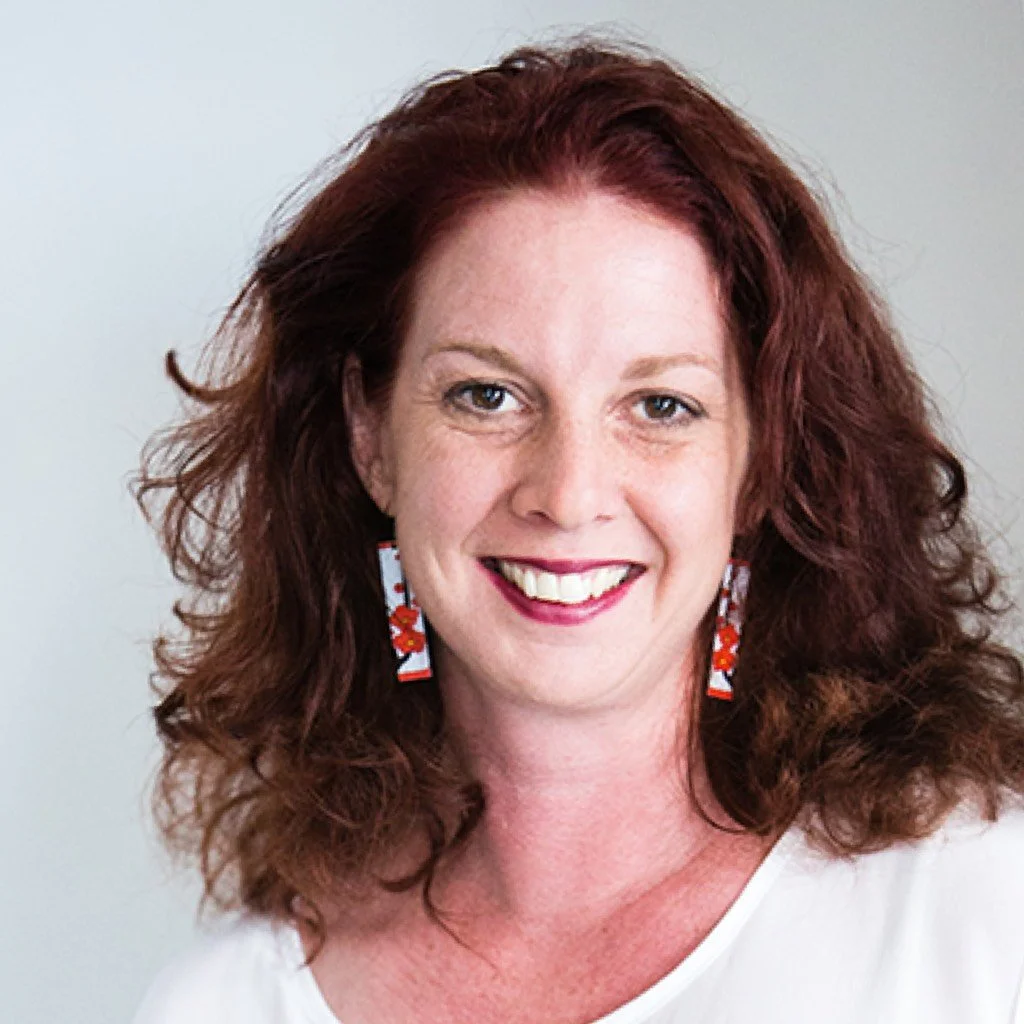
Narelle Dickinson
4
APPEARANCES
4
PODCASTS
Oct 7, 2026


Narelle DickinsonGUEST
... that they could perhaps reach out to and say, "Look, this has just happened to me.
Narelle DickinsonGUEST
Uh, I need your help to, to kind of let myself come back to work in better shape." And it might be that there's an opportunity there in an email or a quick phone call to say, "This is, this is how I'd like people to respond.
Narelle DickinsonGUEST
Uh, am I okay to talk about it? Would I prefer not to talk about it?" Um, you know, i- if, if it's a stillborn, uh, do you want people to know the baby's name? Do you want people to refer to the baby? Um, and so that means when someone comes back, if I've just had- If, if I've had my, my little baby but she died, um, you know, to, to know that people can come up to me and say, "I'm really sorry to hear about your baby" and, um-
23 MINS LATER


Bridget MoloneyHOST
What about people that have already had... health issues diagnosed such as anxiety or depression or OCD or any of the mental health issues, do they have a better or worse or how do they fare in pregnancy after loss? Yeah.
Narelle DickinsonGUEST
I really feel like with any pregnancy, irrespective of past loss, unfortunately the perinatal period is our most high-risk time for us to experience mental health complexities.
Narelle DickinsonGUEST
And if we have had previous difficulties, it's a very high-risk time for recurrence.
Narelle DickinsonGUEST
So unfortunately, if you have previously had mental health conditions, be they anxiety, depression, OCD, eating disorders, whatever, unfortunately we see you as someone who is at higher risk of having those difficulties again.
13 MINS LATER
Bridget MoloneyHOST
How do we help them move from grief and loss being their defining lens in this pregnancy? What are some of the best tools that you think you can offer?

AliciaHOST
yeah
Narelle DickinsonGUEST
yeah 100 i talk about it being singing from the same same songbook that everyone has to be describing the same narrative and you're absolutely right donor counseling shouldn't be one size fits all i i would definitely not be talking about quite the same things to a an other sex couple as I would to a same-sex couple or a single person.
Narelle DickinsonGUEST
And if there's only one parent in the child's life, then clearly there was some other mode that they came into the world other than what the hell how do you make a baby books talk about um so that shouldn't be the focus it should be far more broadly than that and it might be about um how is this going to be talked about at school or how are you going to describe who the donor is or what you know about them if there's any limited information from a profile and it might also be how's the child going to feel about that down the track if they have quite limited information or they would like to know if there's any kids who've been born from the same donor.
Narelle DickinsonGUEST
I think also with single mums, and I don't presume that people have not thought about this.
Narelle DickinsonGUEST
You know, I think it's very rare that I see someone who hasn't thought pretty long and hard about their family creation issues So there's no desire from me to be condescending towards someone about what they're planning to do.
25 MINS LATER
AliciaHOST
So I'm glad that we've learned from previous generations, but there's still more that we can do, isn't there? So are the services consoling mums to be utilised throughout their conception journey, which might be beneficial, do you think?


Zoe MeunierHOST
Now can you explain what is happening in our brains and nervous systems during perimenopause that makes us feel so emotionally stretched?
Narelle DickinsonGUEST
So you'd all know that we're just basically big bags of hormones and neurotransmitters walking around, getting on with our days.
Narelle DickinsonGUEST
And without getting too medical, it's really important to remember that hormones don't just affect our reproductive system.
Narelle DickinsonGUEST
They influence all parts of our bodily function, including how our brain works.
Narelle DickinsonGUEST
When we're thinking about perimenopause, the two hormones we probably talk about the most are estrogen and progesterone.
10 MINS LATER