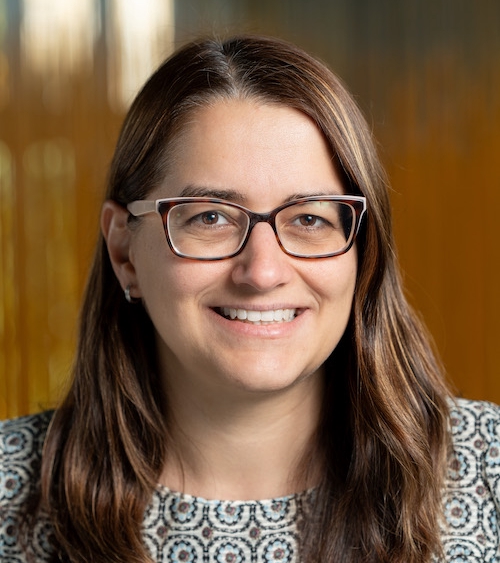
Miruna Buta
Associate Teaching Professor and Program Director of the Online MPH at University of Washington School of Public Health
1
APPEARANCES
1
PODCASTS
Jun 11, 2026

Miranda BosseHOST
You know, so how is your own approach to teaching evolved over time as you've looked at, you know, teaching writing as a process rather than just looking at the final product?

Miruna ButaGUEST
So, you know, early in my teaching career, I received feedback that in the classroom that I relied too heavily on lectures with heavy text, heavy slides without providing sufficient opportunities for students to engage meaningfully with the material.
Miruna ButaGUEST
And I think that's, you know, somewhat natural for a junior faculty member who's moving from a research world of the PhD program into the classroom, especially if you haven't had a lot of opportunities to actually teach not just great papers, right? Yeah.
Miruna ButaGUEST
So my response to this was to start using my research hat, my research skills, and look for what works when it comes to teaching and starting to engage into evidence-based practices for creating effective learning environments.
Miruna ButaGUEST
And so, you know, in the classroom now, I consistently incorporate active learning techniques such as think-pair-share activities, small group discussions.
Miruna ButaGUEST
And then I also use something called protocols, which are these clearly defined guidelines for structuring classroom discussion to promote critical thinking and broader student engagement.
Miranda BosseHOST
So can you explain to our listeners how those approaches help students become stronger critical thinkers as well as communicators?