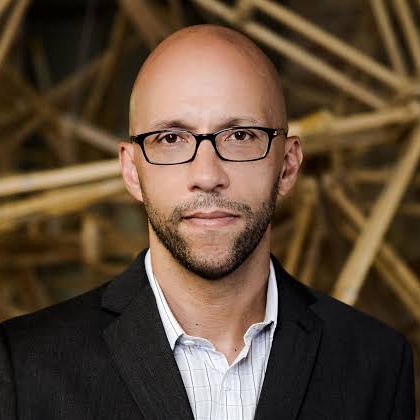
Minkah Makalani
Associate Professor of History and Director of the Center for Africana Studies at Johns Hopkins University, specializing in Black intellectual history and internationalism.
1
APPEARANCES
1
PODCASTS
Jul 29, 2026


Minkah MakalaniGUEST
And maybe we can extend that more generally to someone like a Beyonce, so those artists in the realm of music.
Minkah MakalaniGUEST
And it isn't that... whatever an artist does is political and we have to think about it in these strict political terms, but that they are doing kind of what we want or what we think politicians should do and that is to communicate with us that is to capture and distill ideas and emotions and desires and and aspirations into this form that we can then get behind them and and vote for them or whatnot but i think even with that and that example um as a way to understand what politicians do, I think it still offers us a very limited understanding of what politics is.
Minkah MakalaniGUEST
And that's why the Harlem Renaissance slash New Negro movement, I think, is such a robust and underappreciated era in that when we think about, in particular, Black people's relationship to the United States and our position historically within the United States, we've been excluded and only kind of included in formal politics or formal political operations since the mid-1960s.
Minkah MakalaniGUEST
And that was after fighting tooth and nail, people sacrificing their lives to be included as full citizens in the United States.
Minkah MakalaniGUEST
And so one way to think about that is the United States has been a democracy only since 1965, only since we have the extension of voting rights and protections to all US citizens, right? But if we look at what Black people have done in the period from our arrival in 1619, if you want to take Nicole Hannah-Jones' important work and then carry that forward into 1965, we are looking in those areas where, because we've been excluded from these formal political realms, we've created our own form of power.
7 MINS LATER